Wheat is Up 54%. Your Grocery Bill Knows Why.
Wheat futures hit $7.90 a bushel on August 28. They had not been that high since February 2023.
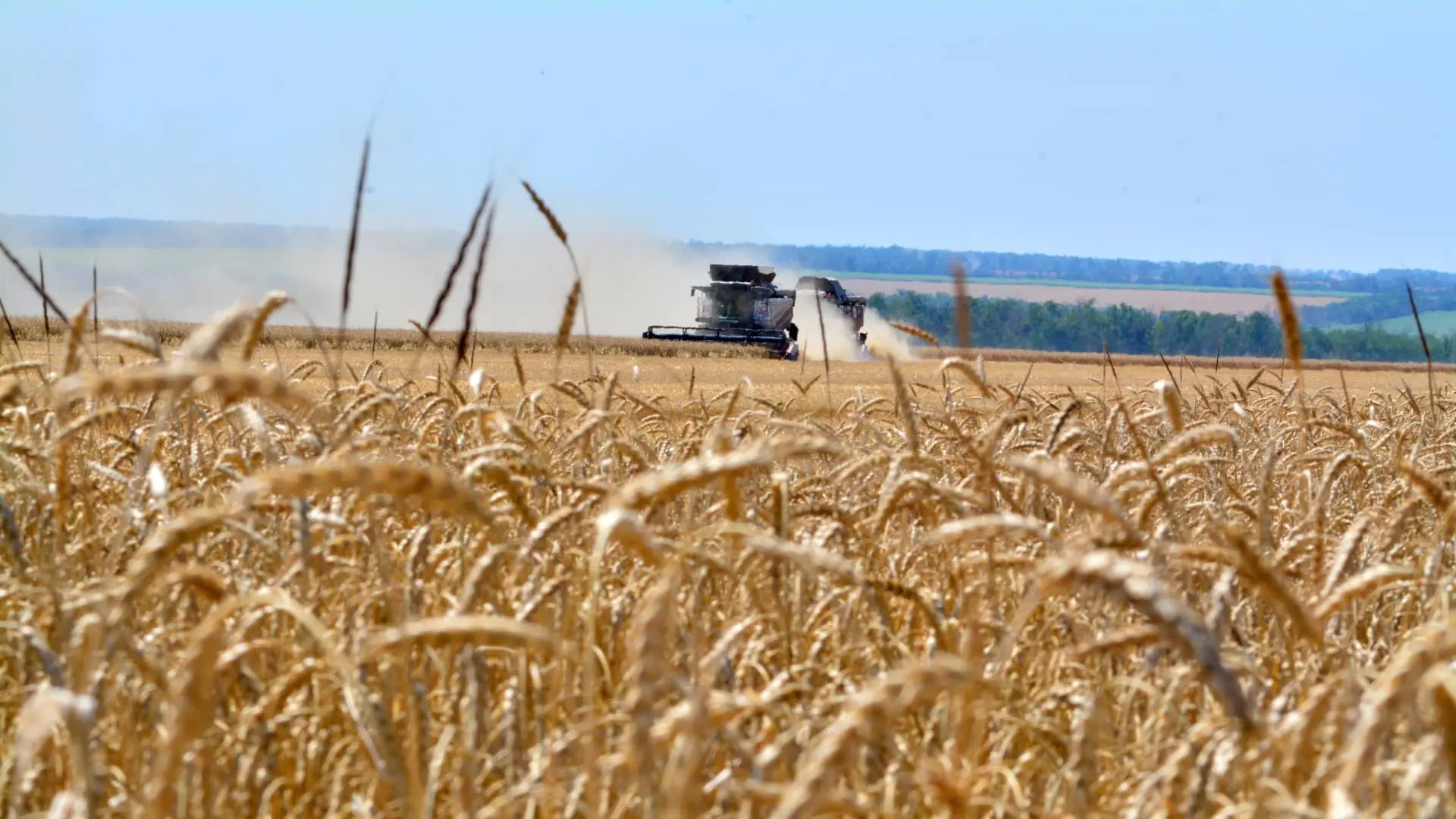
In the week ending August 28, Chicago wheat futures settled at $7.84 per bushel, up 12.1% for the week, the largest single-week gain since March 2022. The contract touched an intraday peak of $7.9025. A year ago, the same contract traded near $5.10. Corn futures reached $5.41 per bushel on the same day, also the highest since July 2023. Together, the two crops underpin a huge share of what people eat: wheat goes into bread, pasta, crackers and baked goods, corn into sweeteners, oil, animal feed and ethanol. When both move at once, and in the same direction, it registers across the entire grocery store.
Chicago wheat futures (Aug 28 2026)
$7.9025 per bushel, 3-year high
Chicago wheat futures (one year prior)
~$5.10 per bushel
Wheat year-to-date gain (2026)
+54.5%, steepest since March 2022
Corn futures (Aug 28 2026)
$5.41 per bushel, highest since July 2023
Bloomberg Agriculture Spot Index (August)
+13% for the month
Sugar and cocoa (August)
both up more than 20%
Russia and Ukraine together export a quarter of the world's wheat. Both are now at war with the sea routes that carry it.
Russia suspended its floating export duty on wheat through the end of 2026 after its own August exports fell more than 50% year-on-year. Ukraine, a major corn exporter, has seen its Black Sea corridor attacked repeatedly, with Russia targeting commercial vessels and port infrastructure. The two countries handle roughly 70% of Russia's grain exports through the Black Sea and the Sea of Azov. As that corridor narrows, buyers scramble to source grain elsewhere, pushing prices up across every origin. Turkey is in talks with both sides on safe passage, but no agreement is in place. USDA's August WASDE raised projected U.S. corn exports by 75 million bushels to 3.3 billion, directly citing "constrained exports from Ukraine" as the reason for increased U.S. demand.
"U.S. corn exports are raised 75 million bushels to 3.3 billion, reflecting increased global demand and constrained exports from Ukraine.
"USDA World Agricultural Supply and Demand Estimates · August 12 2026

The United States grew less wheat this year, and a heat wave made corn yields worse than anyone expected.
USDA's August report cut its corn yield forecast by 2.3 bushels per acre to 180.7 bpa, citing extreme July heat and excessive June rain in the Corn Belt followed by drought in parts of the Midwest. U.S. corn ending stocks for 2026/27 were revised down 137 million bushels to 1.7 billion. That is tighter than markets had priced. U.S. wheat production for 2026/27 came in at 1.531 billion bushels, down 23% from 2025. European production is also under pressure from drought, removing a safety valve that usually moderates Black Sea shortfalls. The American Farm Bureau Federation notes that farm production costs have risen roughly 40% since 2018, fertilizer costs are up 54%, and labour is up 74%. Some farmers are already signalling they will reduce fertilizer applications in the 2027 growing season, borrowing against future yields to manage today's costs.
U.S. wheat production 2026/27
1.531 billion bushels, down 23% vs 2025
U.S. corn yield forecast (Aug USDA)
180.7 bpa, cut by 2.3 bpa
U.S. corn ending stocks 2026/27
1.7 billion bushels, down 137 million
Global corn stocks
274.7 million tonnes, down 0.6 million from July
Wheat farmgate price (USDA Aug)
$6.20 per bushel, up from $6.00 in July
Farm production costs since 2018
up ~40% (fertilizer +54%, labour +74%)
The people who pay the final bill are not the traders.
Wheat and corn are not speculative corners of the commodity market. They are staple inputs. Higher corn prices pass through to chicken, pork and beef within six to nine months, as feed costs rise and producers cut back. Higher wheat prices show up in bread and pasta prices within weeks. The Bloomberg Agriculture Spot Index, which tracks ten major commodities, finished August up 13%, with sugar and cocoa adding another 20% on fears that an intensifying El Nino event could cut cane and cocoa harvests in the months ahead. The Fed, which is already weighing a September rate hike after PCE inflation came in at 3.7%, now faces food prices pulling the wrong way. If grain prices hold at current levels through the northern hemisphere harvest, the Q4 grocery bill in the United States, Europe and the Middle East will be materially higher than it was a year ago. The traders who drove wheat to a three-year high in a single week were pricing exactly that.