The AI Debt Race: Big Tech's $700 Billion Bet
Amazon 2026 capex
$200 billion
Alphabet 2026 capex
$75 billion (equity raise)
Microsoft 2026 capex
$80 billion
Meta 2026 capex
$65 to $72 billion
Amazon bonds issued in 2026
$79 billion (and counting)
Meta bonds in 2026
$55 billion
Amazon July bond order book
$41 billion on a $25B deal
Longest bond maturity
2066, 40 years
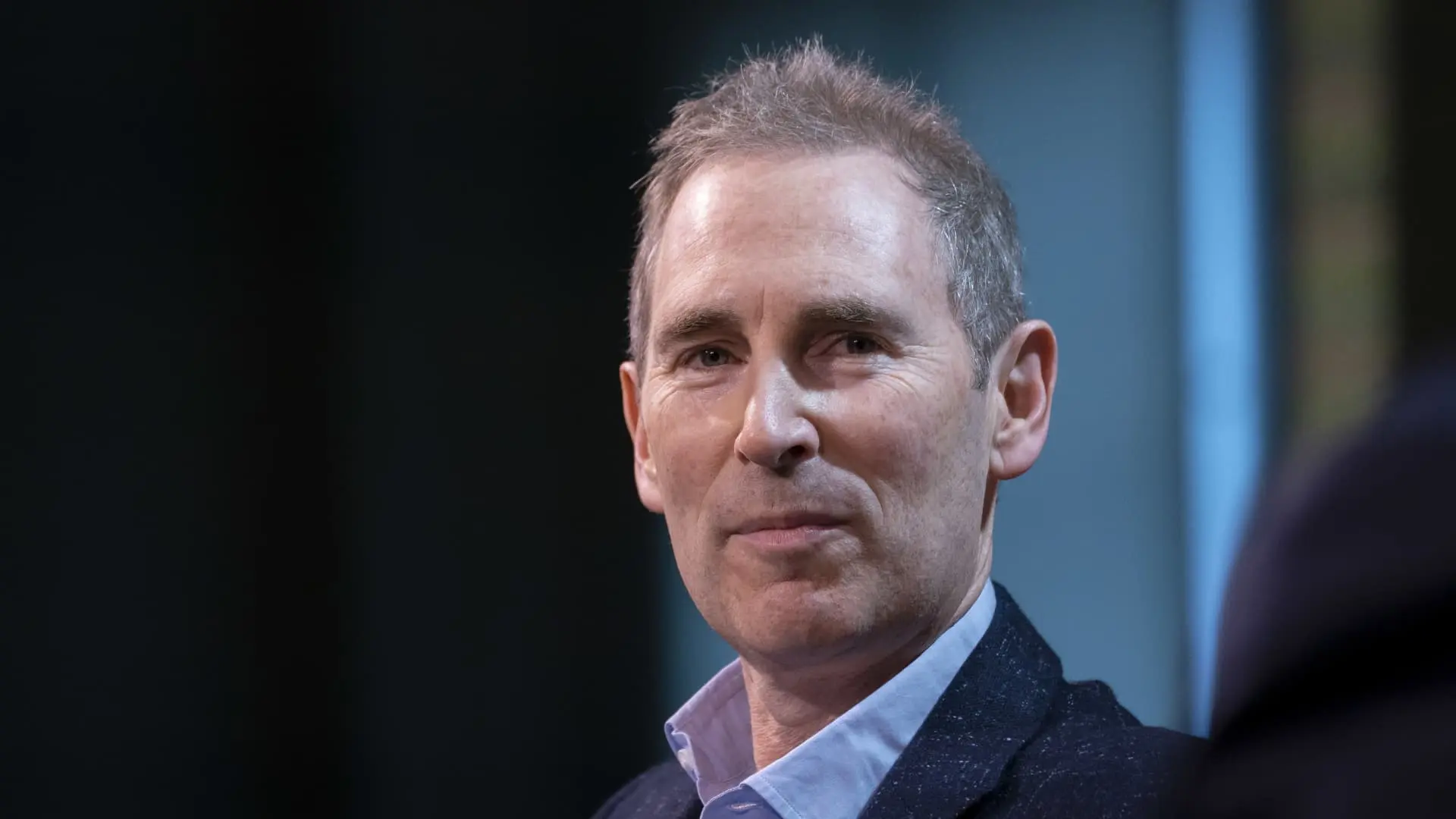
The July 7 offering Amazon priced eight tranches of senior unsecured notes on July 7, raising $25 billion in a single day. Order books peaked at $62 billion before spreads tightened. CEO Andy Jassy told investors this is a "once-in-a-lifetime opportunity" and pledged Amazon would not return to the bond market for the rest of 2026.
Why borrow? Amazon's 2026 capex budget of $200 billion dwarfs its 2025 free cash flow of around $115 billion. Debt fills the gap while preserving shareholder equity and keeping the balance sheet flexible for M&A.
Who is lending? The underwriters on Amazon's July deal were Barclays, Goldman Sachs, JPMorgan, and Morgan Stanley. Institutional buyers from pension funds to sovereign wealth funds are lining up: the 1.6x oversubscription shows appetite is enormous.
"We are in a once-in-a-lifetime moment. The companies that invest now will define the next decade. The ones that hesitate will spend the decade trying to catch up.
"Andy Jassy · Amazon CEO · July 2026
Amazon 2025 capex
$131 billion
Amazon 2026 capex
$200 billion
Year-on-year increase
plus 53 percent
AWS share of Amazon revenue
17 percent
AWS share of Amazon operating income
over 60 percent
Google Cloud operating margin 2026
17.5 percent
Microsoft Azure revenue growth YoY
33 percent
The critics Morningstar valued SpaceX (which listed in June as the largest IPO in history at $1.77 trillion) at $63 a share versus the $135 IPO price. The same skepticism is creeping into AI infrastructure. Goldman Sachs published a note in early 2025 asking whether the spending would ever generate returns. Answers are still thin, but the spending accelerates regardless.
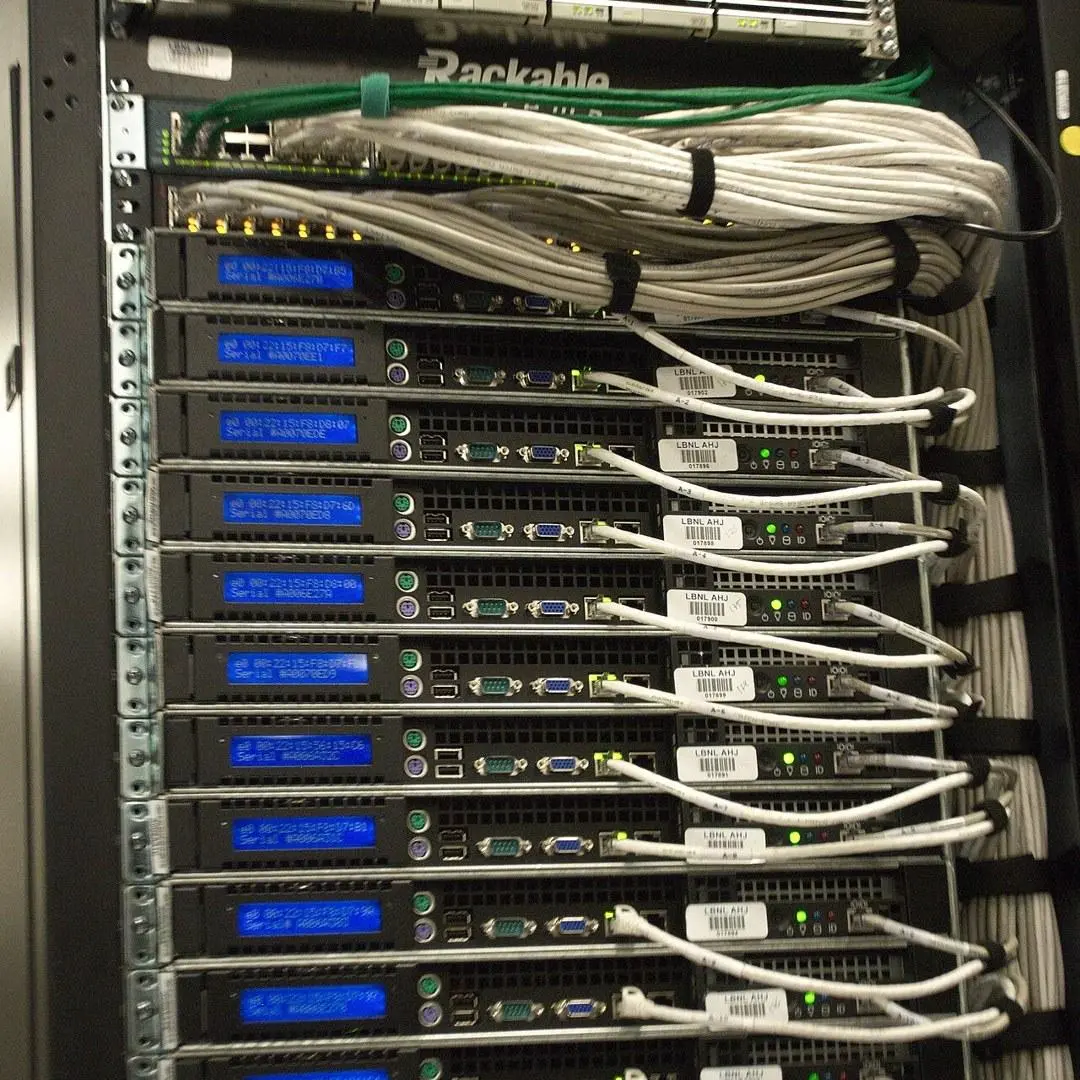
What they are building Data centers, custom silicon (Google TPUs, Amazon Trainium, Microsoft Maia), undersea cables, and power plants. Alphabet alone secured $85 billion in a June equity deal partly to fund a new generation of subsea cable routes. Microsoft has signed contracts with nuclear power operators to supply gigawatt-scale electricity to its Virginia campuses from 2028.
Is betting $700 billion on AI infrastructure in a single year rational \
investment or the biggest speculative build-out since the dot-com bubble? What would you need to see to know which one it is?