Radiological Protection Ordinance (RPO) (RPO)
English is not an official language of the Swiss Confederation. This translation is provided for information purposes only and has no legal force.
Chapter 1 Licences
Section 1 Mandatory Licensing
Art. 9 Activities subject to mandatory licensing
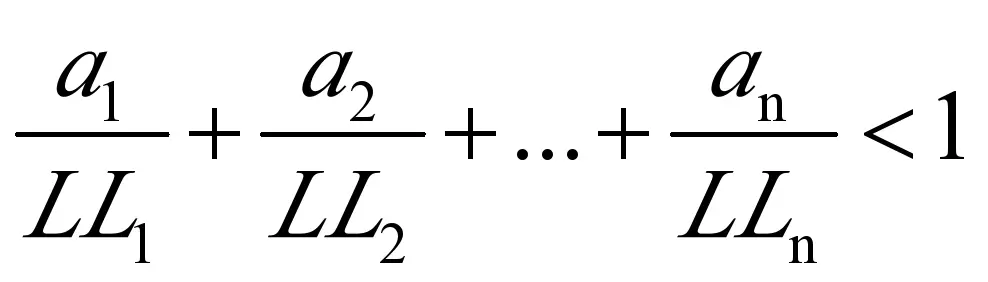
In addition to the activities specified in Article 28 of the RPA, or by way of clarification thereof, the following activities are subject to mandatory licensing: the handling of material whose specific activity exceeds the clearance limit and whose absolute activity exceeds the licensing limit; the handling of contained gaseous material whose absolute activity exceeds the licensing limit; the discharge to the environment of material whose specific activity exceeds the clearance limit and whose absolute activity is greater than the activity of 1 kg of a material whose specific activity is equal to the clearance limit; the distribution of material whose specific activity exceeds the clearance limit and whose absolute activity is greater than the activity of 1 kg of a material whose specific activity is equal to the clearance limit; e. the use of radionuclides in the human body; f. the deployment of occupationally exposed persons as defined in Article 51 paragraphs 1 and 2 at one’s own o
let. j — Inserted by No II of the O of 7 Dec. 2018, in force since 1 Feb. 2019 (AS 2019 183).
Art. 10 Exemptions from mandatory licensing
The following are exempt from mandatory licensing: a. the transport of radioactive material which does not exceed the activity concentration limits for exempt material or the activity limits for exempt consignments specified in: 1. Annex A, Subsection 2.2.7.2, Tables 2.2.7.2.2.1 and 2.2.7.2.2.2, of the European Agreement of 30 September 1957 concerning the International Carriage of Dangerous Goods by Road (ADR), and in the Ordinance of 29 November 2002 on the Carriage of Dangerous Goods by Road (SDR), or 2. the Regulations concerning the International Carriage of Dangerous Goods by Rail (RID) in accordance with Appendix C, Subsection 2.2.7.2, Tables 2.2.7.2.2.1 and 2.2.7.2.2.2, to the Protocol of 3 June 1999 modifying the Convention concerning International Carriage by Rail (COTIF) of 9 May 1980, and in the Ordinance of 31 October 2012 on the Carriage of Dangerous Goods by Rail and Cableway (RSD); b. the transport of radioactive substances as excepted packages: 1. in accordance with An
let. a let. 1 — SR 0.741.621. The Annexes to the ADR are not published in the Official Compilation (AS). They can be consulted free of charge on the website of the United Nations Economic Commission for Europe (UNECE) at www.unece.org > Legal Instruments and Recommendations > ADR; offprints can be purchased from the Federal Office for Buildings and Logistics (BBL), Federal Publication Sales, 3003 Bern. let. a let. 1 — SR 741.621 let. a let. 2 — SR 0.742.403.12.The Appendices to COTIF are not pub
Section 2 Licensing Procedures
Art. 11 Licensing authorities
1 Without prejudice to paragraph 2, the Federal Office of Public Health (FOPH) is the licensing authority for all activities and radiation sources subject to mandatory licensing under this Ordinance. 2 The Swiss Federal Nuclear Safety Inspectorate (ENSI) is the licensing authority for: a. activities at nuclear installations which are not subject to mandatory licensing or a decommissioning order under the NEA; b. experiments involving radioactive substances in connection with geological investigations as specified in Article 35 of the NEA; c. the import and export of radioactive substances for or from nuclear installations; d. the transport of radioactive substances from and to nuclear installations; e. the discharge of radioactive waste from nuclear installations to the environment; f. the decay storage of radioactive waste from nuclear installations and all related activities.
Para. 2 let. a — SR 732.1 Para. 2 let. f — Inserted by No II of the O of 7 Dec. 2018, in force since 1 Feb. 2019 (AS 2019 183).
Art. 12 Licence applications
1 Applications for the granting or renewal of a licence must be submitted to the licensing authority with the necessary documents. 2 In cases of high radiological hazard potential, the licensing authority shall additionally request a hazard analysis. 3 Applicants from abroad must provide a Swiss postal address. 4 The Federal Department of Home Affairs (FDHA) and ENSI may issue specifications concerning the documents and evidence required in their area of responsibility.
Art. 13 Standard licensing procedure
1 Without prejudice to Articles 14 and 15, the licensing authority shall assess activities and radiation sources subject to mandatory licensing using a standard procedure. 2 It shall review the application documents submitted for completeness, form, content and extent. 3 It shall decide whether source-related dose constraints are required for the public, and shall specify these in the licence.
Art. 14 Simplified licensing procedure
1 In cases where the hazard potential for people and the environment is low, the FOPH may assess activities subject to mandatory licensing using a simplified procedure. This concerns in particular: a. medical applications in the low-dose range (Art. 26 let. a); b. the operation of installations with full or partial protection systems. 2 In the simplified procedure, it shall review the application documents submitted solely for completeness and form.
Art. 15 Type licence for radiation sources
1 In the case of radiation sources with a particularly low hazard potential for people and the environment, the FOPH may grant a type licence (Art. 29 let. c RPA), in particular if: a. they are designed or measures are taken so as to prevent inadmissible exposure or contamination of persons; and b. it is assured that, if necessary, they will be delivered to the federal collection centre as radioactive waste at the end of their useful life. 2 The FOPH shall review the application documents submitted for completeness, form, content and extent. 3 It shall subject the radiation sources for which a type licence is sought to type testing. It may engage other bodies for this purpose. 4 When granting a type licence, it shall specify: a. under what conditions the radioactive material may be handled; b. whether and how radioactive material at the end of its useful life must be delivered to the federal collection centre as radioactive waste; c. whether and how the radiation sources must be marked
Art. 16 Licence term and communication
1 The licensing authority shall limit the term of the licence to a maximum of ten years. 2 It shall communicate its decision to the applicant, the cantons concerned and the supervisory authority.
Art. 17 Procedure in the event of uncertainty as to licensing responsibilities
1 If an activity concerns both licensing authorities, the procedures may be combined. 2 The lead authority shall be the one deemed to be primarily concerned on the basis of the application documents. 3 The lead authority shall define the procedure in consultation with the other licensing authority.
Art. 18 Licence database
1 The FOPH shall maintain a database concerning the licences granted under this Ordinance. 2 The purpose of the database is: a. to make available information required for the granting of licences; b. to simplify administrative procedures for the granting of licences; c. to facilitate the supervisory activities of the competent authorities. 3 The following data concerning the licence holder may be stored in the database: a. for a natural person: name, first name, former name; for a legal person: company name of the legal person; b. home or business address; c. for a natural person: function and academic title; d. telephone numbers; e. addresses for electronic communication; f. category of enterprise; g. the information specified in Article 179 paragraph 3 concerning the radiological protection experts; h. enterprise identification number (UID) in accordance with the Federal Act of 18 June 2010 on the Enterprise Identification Number; i. Swiss Accident Insurance Fund (Suva) customer numb
Para. 3 let. h — SR 431.03
Section 3 Duties of Licence Holders
Art. 19 Organisational duties
1 The licence holder must grant the radiological protection expert the powers required to fulfil his or her duties and make available the necessary resources. 2 In addition, the licence holder must: a. issue internal directives concerning working methods and protective measures and monitor compliance; b. specify in writing the powers of the various line managers and radiological protection experts, and of persons handling radiation sources. 3 If the licence holder deploys persons from service or other enterprises as occupationally exposed persons, these enterprises must be made aware of the relevant radiological protection regulations.
Art. 20 Duty to provide information
The licence holder must ensure that all persons within the enterprise who may be exposed to radiation are appropriately informed about the health risks which may arise from handling ionising radiation at the workplace.
Art. 21 Reporting duties
1 The licence holder must report the following changes to the supervisory authority before they are effected: a. changes to the output of an installation, structural and design characteristics, and beam direction (Art. 35 para. 1 let. a RPA); b. a change of the radiological protection expert (Art. 32 para. 2 RPA). 2 The loss or theft of a radioactive source whose activity exceeds the licensing limit must be reported to the supervisory authority without delay.
Chapter 2 Public Exposure
Art. 22 Dose limits for members of the public
1 The effective dose must not exceed the limit of 1 mSv per calendar year. 2 The equivalent dose must not exceed the following limits: a. for the lens of the eye: 15 mSv per calendar year; b. for the skin: 50 mSv per calendar year.
Art. 23 Determination of doses in the vicinity of enterprises with a licence for discharge to the environment
1 In the case of enterprises with a licence for discharge to the environment in accordance with Articles 111–116, the licensing authority may request an annual determination of the dose received by the most exposed members of the public and specify the requirements for the determination of radiation doses. 2 ENSI shall issue guidelines for the determination of radiation doses for the area under its supervision.
Art. 24 Immission limits
1 Yearly average airborne activity concentrations in accessible locations off-site must not exceed the immission limits for air (LIA) specified in Annex 7. 2 Weekly average activity concentrations in publicly accessible waters must not exceed the immission limits for waters (LIW) specified in Annex 7. 3 It must be additionally ensured that ambient doses due to external radiation in dwellings, public-access buildings and workplaces are kept at such a low level that, taking into account residence time and all other exposure pathways, they cannot lead to exceedance of the dose limits for members of the public.
Chapter 3 Unjustified Activities
Art. 25
The following activities are deemed to be unjustified in accordance with Article 8 of the RPA and are therefore prohibited: a. the deliberate addition of radionuclides in the production of foodstuffs and feedingstuffs, toys, personal ornaments and cosmetics; b. the application of methods involving the activation of materials used in toys and personal ornaments; c. the import, export and transit of products as specified in letters a and b.
Chapter 4 Medical Exposures
Section 1 Dose Ranges in Medical Imaging
Art. 26
Medical exposures are: a. in the low-dose range if the patient receives an effective dose of less than 1 mSv; b. in the medium-dose range if the patient receives an effective dose of between 1 mSv and 5 mSv; c. in the high-dose range if the patient receives an effective dose of more than 5 mSv.
Section 2 Medical Justification
Art. 27 Fundamental justification
Without prejudice to Articles 28 and 29, medical exposures are deemed to be fundamentally justified.
Art. 28 Justification of diagnostic or therapeutic procedures
1 Any general application of diagnostic or therapeutic procedures must be justified in advance. 2 The justification of existing diagnostic or therapeutic procedures must be reviewed as soon as important new knowledge on the effectiveness or consequences of such procedures becomes available. 3 In collaboration with the professional bodies and sectoral associations concerned, the KSR shall prepare and publish recommendations on the justification of procedures in accordance with paragraphs 1 and 2.
Para. 3 — www.ksr-cpr.ch
Art. 29 Justification of individual applications
1 Any person who prescribes or performs procedures must take into account existing diagnostic information and the case history in order to avoid unnecessary radiation exposures. 2 Any person who prescribes procedures must establish and document an indication and forward this to the physician performing the procedure. 3 Hospitals, radiology centres and referrers must prescribe procedures in accordance with the current state of science and technology. This is reflected in particular by referral guidelines based on national or international guidelines or recommendations. 4 Each application must be justified in advance by the physician performing the procedure, taking into account the current state of science and technology, the indication and the characteristics of the individual involved. 5 A diagnostic or therapeutic procedure which is not justified in accordance with Article 28 may nonetheless, depending on the circumstances, be justified as a specific, individual application. This mus
Art. 30 Radiological screening
1 Radiological screening is a radiological examination performed in a specific group of people for the purpose of early detection of a disease, even though it is not clinically suspected in the individuals concerned. This does not include routine occupational health examinations. 2 Radiological screening may only be carried out as part of a programme. It must be instituted by a health authority. 3 Radiological screening must satisfy the quality requirements specified for the programme by the competent health authority.
Art. 31 Procedures for non-medical imaging purposes
1 Activities involving exposure for non-medical imaging purposes must be justified in advance, taking into account the specific objectives of the procedure and the characteristics of the individual involved. 2 Exposures in the medium-dose or high-dose range for aptitude tests are prohibited. 3 If an exposure is ordered by the criminal investigation, security or customs authorities, the imaging procedure must be performed using the lowest possible dose required to resolve the question. If an exposure cannot be performed in the low-dose range, this must be documented, with the reasons stated. 4 If exposures are routinely performed for security reasons, the individual examined must be given the option of choosing a different type of examination not involving ionising radiation.
Section 3 Medical Optimisation
Art. 32 Optimisation of medical exposures
1 In diagnostic, interventional radiology and nuclear medicine examinations, the licence holder must keep all radiation doses as low as achievable consistent with obtaining the required imaging information. 2 For all therapeutic exposures, the licence holder must carry out individual dosimetric planning. The doses for risk organs must be kept as low as is achievable and consistent with the intended radiotherapeutic purpose. 3 For the protection of patients, the optimisation process involves in particular: a. selection of suitable equipment, including software; b. consistent production of adequate diagnostic information or therapeutic outcomes; c. the practical aspects of procedures; d. quality assurance; e. assessment and evaluation of the patient dose or the administered activity; f. use of appropriate set-up parameters or appropriate radionuclides; g. use of sensitive detectors; h. for every medical installation, use of the elements required for the protection of patients. 4 The dose
Art. 33 Documentation obligation
The licence holder must document all therapeutic and diagnostic exposures in the medium-dose or high-dose range and in mammography in such a way that the radiation dose received by the patient can be determined at a later date.
Art. 34 Survey of medical population doses
1 The FOPH shall survey on a regular basis, but at least every ten years, the radiation doses received by the population from medical exposures. 2 It may request from licence holders anonymised data on therapeutic, diagnostic, interventional or nuclear medicine applications, in particular: a. time and type of application and anatomical region; b. exposure parameters; c. radiation dose or activity levels; d. installation specifications; e. sex, age, height and weight of patients; f. number of individual exposures per application, classified by type and anatomical region. 3 It may request third parties to prepare statistics. For this purpose, it shall provide them with the necessary data.
Art. 35 Diagnostic reference levels
1 The FOPH shall publish recommendations on radiation doses for diagnostic, interventional or nuclear medicine examinations in the form of diagnostic reference levels. 2 To this end, it shall conduct national surveys based on the data specified in Article 34 paragraph 2, take international recommendations into account and publish the results. 3 Licence holders must regularly review their own practices and account for any deviations from diagnostic reference levels.
Art. 36 Involvement of medical physicists
1 The licence holder must: a. closely involve a medical physicist in therapeutic practices, with the exception of standardised nuclear medicine practices; b. involve a medical physicist in standardised nuclear medicine practices, in computed tomography, in interventional radiology practices and in fluoroscopy in the medium- and high-dose range; c. if so requested by the supervisory authority, involve a medical physicist in practices of technologically complex examinations or new examination techniques in the low- and medium-dose range. 2 For therapeutic procedures, the FDHA may specify the level of involvement of medical physicists.
Art. 37 Carers and comforters
1 The licence holder must ensure that persons helping to comfort and care for patients in a non-professional capacity are informed about their exposure and the associated risks. 2 For carers and comforters, a dose constraint of 5 mSv per year (effective dose) applies. 3 If an exceedance of the dose constraint is determined, the licence holder must inform the person concerned. 4 The FDHA may define specific dose constraints for particular medical procedures.
Section 4 Patients
Art. 38 Provision of information for patients
Patients must be informed about the risks and benefits of medical exposure.
Art. 39 Paediatrics
Medical exposures of children must be performed using exposure parameters specifically optimised for this patient group. In particular, the following must be taken into account: a. physique; b. radiosensitivity; c. the possibility of employing specific technical aids.
Art. 40 Pregnant and breastfeeding patients
1 For exposures in the medium-dose or high-dose range and for therapeutic exposures in female patients, the physician performing the procedure must establish whether the patient is pregnant. 2 If pregnancy is determined or cannot be ruled out, this must be weighed against the need for the exposure in the justification. In the optimisation, both the dose to the unborn child and that to the mother must be taken into account. 3 If the uterus of a pregnant patient lies within the area examined, the dose to the uterus must be documented. 4 In the case of nuclear medicine exposures, breastfeeding patients must be informed about the need for and duration of a suspension of breastfeeding on account of the contamination of breast milk.
Section 5 Clinical Audits in Medicine
Art. 41 Purpose, content and subjects
1 The purpose of clinical audits is to ensure that medical exposures are justified and optimised in accordance with the current state of science and technology, and that the quality and outcome of patient care are continuously improved. 2 Clinical audits involve systematically examining patient- and personnel-related processes for diagnostic and therapeutic procedures involving ionising radiation, and comparing them with the current state of science and technology. 3 The FOPH may require the licence holder to undergo a clinical audit for the following medical radiation applications every five years: a. computed tomography; b. nuclear medicine; c. radiation oncology; d. fluoroscopy-guided interventional diagnostic and therapeutic procedures.
Art. 42 Coordination, preparation and conduct
1 If the FOPH engages third parties for the coordination and preparation of clinical audits (Art. 189), they must be experts from various institutions and professional bodies. 2 If the FOPH engages third parties for the conduct of clinical audits (Art. 189), these auditors must have many years’ professional experience in their field and must be independent of the audited licence holders. 3 The FOPH shall make the necessary data concerning licence holders available to the third parties engaged. 4 If, in the evaluation of audits, the third parties engaged discover significant deviations from the requirements of this Ordinance or from the current state of science and technology, they shall inform the FOPH.
Art. 43 Licence holders’ self-evaluation and quality manual
1 All holders of licences for radiation applications as specified in Article 41 paragraph 3 shall conduct an annual self-evaluation of their processes. 2 They shall prepare a quality manual and present this at the audit. 3 The quality manual must include a detailed description of at least the following points: a. competences and responsibilities; b. equipment available for examination and treatment; c. personnel training; d. measures to ensure compliance with requirements concerning the justification of individual applications (Art. 29); e. examination and treatment protocols and patient information; f. documentation of radiation doses (Art. 33); g. establishment and communication of diagnostic findings or treatment monitoring, data storage and data transfer; h. quality assurance; i. self-evaluation.
Section 6 Research involving Human Beings
Art. 44 Authorisations
1 The conduct of human research projects involving the use of radiation sources requires authorisation in accordance with Article 45 of the Human Research Act of 30 September 2011 (HRA). 2 In addition, the conduct of clinical trials of therapeutic products capable of emitting ionising radiation requires authorisation in accordance with Article 54 of the Therapeutic Products Act of 15 December 2000 (TPA).
Para. 1 — SR 810.30 Para. 2 — SR 812.21
Art. 45 Dose constraints and dose calculation
1 In research projects with no expected direct benefit, a dose constraint of 5 mSv per year (effective dose) applies to the participants. 2 In exceptional cases, the dose constraint specified in paragraph 1 may be up to 20 mSv per year (effective dose), with consideration being given to age, fertility, life expectancy and health status, provided that this is absolutely essential for methodological reasons. 3 In the case of combined procedures, all radiation sources must be taken into account in the calculation or estimation of the dose to participants. 4 In the calculation or estimation of the dose, the uncertainty factor must be taken into account.
Section 7 Radiopharmaceuticals
Art. 46 Placing products on the market and administration
1 For the placing of products on the market and administration of radiopharmaceuticals in humans, the provisions of the TPA apply. 2 Approval is required from the FOPH for: a. the marketing authorisation of radiopharmaceuticals in accordance with Article 9 paragraph 1 of the TPA; b. the simplified authorisation of radiopharmaceuticals in accordance with Article 14 of the TPA; c. the authorisation of radiopharmaceuticals for a limited period in accordance with Article 9 paragraph 4 of the TPA. 3 The FOPH shall grant approval based on the documents received as part of the application for authorisation, and on the assessment and reasoning of the Expert Commission for Radiopharmaceuticals. 4 Radiopharmaceuticals must be labelled as such. Their package labelling must include at least the following radiological protection-related information: a. the preparation name; b. the hazard warning symbol in accordance with Annex 8; c. the radionuclides and their activity at the time of calibration; d
Para. 1 — SR 812.21
Art. 47 Preparation and quality control
1 Any person who prepares radiopharmaceuticals must carry out the quality controls described in the product information. 2 The FOPH may take samples at any time in order to determine whether the requirements specified in Article 46 are still being met. For this purpose, it may engage specialised laboratories. 3 The FDHA may specify requirements for the preparation and use of radiopharmaceuticals; it shall take into account national and international guidelines and the recommendations of professional bodies, in particular those issued by the European Association of Nuclear Medicine (EANM) or the Swiss Society of Radiopharmacy/Radiopharmaceutical Chemistry (SGRRC).
Para. 3 — These guidelines (in English) can be accessed free of charge on the EANM website at www.eanm.org . Para. 3 — These recommendations can be accessed free of charge on the SGRRC website at www.sgrrc.ch .
Art. 48 Expert Commission for Radiopharmaceuticals
1 The Expert Commission for Radiopharmaceuticals (ECRP) is a standing advisory commission within the meaning of Article 8a paragraph 2 of the Government and Administration Organisation Ordinance of 25 November 1998 (GAOO). 2 It shall advise the Federal Department of Home Affairs (FDHA), Swissmedic and the FOPH on radiopharmaceutical matters. In particular, it has the following tasks: a. it prepares reports on applications for the marketing authorisation of radiopharmaceuticals; b. it prepares reports on safety-related questions connected with radiopharmaceuticals; c. it advises the FHHA on the amendment of Annex 1 to the Therapeutic Products Ordinance of 21 September 2018. It is comprises specialists from the fields of nuclear medicine, pharmaceutics, chemistry and radiological protection.
Para. 1 — SR 172.010.1 Para. 2 let. c — SR 821.212.21 Para. 2 let. c — Amended by Annex 6 No II 4 of the Therapeutic Products Ordinance of 21 Sept. 2018, in force since 1 Jan. 2019 (AS 2018 3577).
Section 8 Medical Radiation Incident
Art. 49 Definition
A medical radiation incident is an unplanned event in the form of a careless or inappropriate action, with or without actual consequences, which, as a result of deficiencies in the quality assurance programme, technical malfunctions, operator error or other incorrect behaviour, led or could have led to unintended exposures of patients.
Art. 50 Duties
1 Licence holders must keep a record of medical radiation incidents. 2 They must, with an interdisciplinary working group, regularly analyse any incidents which have occurred and make the operational adjustments required to prevent similar incidents. 3 They must report the following medical radiation incidents to the supervisory authority within 30 days: a. unplanned exposures which led or could have led to moderate organ damage, moderate functional impairment or more serious damage in the patient; b. confusion of patients or organs in therapeutic exposures or in diagnostic exposures in the high-dose range; c. unplanned exposures where the patient received an effective dose of more than 100 mSv. [tab] 4 In the case of medical radiation incidents as specified in paragraph 3, the licence holder must conduct an investigation and submit a report in accordance with Article 129.
Chapter 5 Occupational Exposures
Section 1 Occupationally Exposed Persons
Art. 51 Definition and principles
1 Occupationally exposed persons means persons who: a. in the course of their occupational activities or training may incur exposure which exceeds a dose limit for members of the public as specified in Article 22; this is without prejudice to paragraph 2; b. work or undergo training at least once a week in controlled areas as defined in Article 80; or c. work or undergo training at least once a week in supervised areas as defined in Article 85 and may thus be exposed to an increased ambient dose rate. 2 Persons who are subject solely to radon exposure at their workplace are only deemed to be occupationally exposed if they may thereby accumulate an effective dose of more than 10 mSv per year (Art. 167 para. 3). 3 The licence holder, or in the case of aircrew the aircraft operator, shall designate all occupationally exposed persons within the enterprise. 4 Licence holders, or in the case of aircrew the aircraft operator, shall inform the occupationally exposed persons regularly of: a. th
Art. 52 Categories
1 For purposes of monitoring, licence holders shall classify the occupationally exposed persons into categories A and B in accordance with paragraphs 2–4. 2 Category A comprises persons who: a. may accumulate the following doses per calendar year in the course of their work: 1. an effective dose greater than 6 mSv, 2. an equivalent dose for the lens of the eye greater than 15 mSv, or 3. an equivalent dose for the skin, hands or feet greater than 150 mSv; b. as a result of radon exposure at the workplace receive an effective dose greater than 10 mSv per calendar year; or c. work as internal personnel at a nuclear installation. 3 Category B comprises all occupationally exposed persons not belonging to category A. 4 Persons engaged in activities where the risk of accumulating doses as specified in paragraph 2 letter a is negligible shall be assigned to category B for the performance of these activities. This includes in particular activities: a. involving the operation of diagnostic X-ray
Art. 53 Young people and pregnant or breastfeeding women
1 Persons aged under 16 years must not be occupationally exposed. 2 For persons aged between 16 and 18 years and for pregnant women, the dose limits specified in Article 57 apply. 3 From the time when a pregnancy becomes known until its completion, the radiation exposure of the pregnant woman must be determined monthly. 4 The FDHA shall specify, in consultation with ENSI, when pregnant women must be additionally equipped with an active personal dosimeter. 5 Pregnant women must, if they so request, be exempted from the following activities: a. from flight duties; b. from any work with radioactive material involving a risk of intakes or contamination; c. from activities which may only be performed by an occupationally exposed person in category A. 6 Breastfeeding women must not perform any work with radioactive material involving an increased risk of intakes.
Art. 54 Aircrew
For occupationally exposed aircrew, radiation exposure must be optimised when establishing work plans.
Art. 55 Medical monitoring
1 The licence holder must have medical assessments conducted in accordance with Article 11a of the Ordinance of 19 December 1983 on Accident Prevention (APO). 2 Suva may subject employees to the preventive occupational medicine provisions specified in Articles 70–89 APO.
Para. 1 — SR 832.30
Section 2 Dose Restrictions
Art. 56 Dose limits
1 For occupationally exposed persons, the effective dose must not exceed the limit of 20 mSv per calendar year. 2 For such persons, by way of exception and with the approval of the supervisory authority, the limit for the effective dose may be up to 50 mSv per calendar year, provided that the cumulative dose over five consecutive years, including the current year, is less than 100 mSv. 3 For such persons, the equivalent dose must not exceed the following limits: a. for the lens of the eye: 20 mSv per calendar year or a cumulative dose of 100 mSv over five consecutive calendar years, subject to a maximum dose of 50 mSv in a single calendar year; b. for the skin, hands and feet: 500 mSv per calendar year. 4 Occupationally exposed persons from abroad must, in Switzerland, only accumulate an effective dose of 20 mSv per calendar year, allowing for the dose already received in the current calendar year.
Art. 57 Dose limit for young people and pregnant women
1 For persons aged 16–18 years, the effective dose must not exceed the limit of 6 mSv per calendar year. 2 Pregnant women may only be deployed as occupationally exposed persons if it is assured that, from the time when a pregnancy becomes known until its completion, the effective dose to the unborn child does not exceed 1 mSv.
Art. 58 Measures to be taken if dose limits are exceeded
1 If a dose limit as specified in Article 56 paragraphs 1–3 and Article 57 paragraph 1 is exceeded in an occupationally exposed person, then, for the rest of the calendar year, the person concerned may accumulate no more than: a. an effective dose of 1 mSv; b. an equivalent dose of 15 mSv for the lens of the eye, and of 50 mSv for the skin, hands and feet. 2 The right of the supervisory authority to grant approval in accordance with Article 56 paragraph 2 is reserved. 3 If the dose limit specified in Article 57 paragraph 2 is exceeded, the women concerned must not, for the remainder of their pregnancy, be deployed in controlled or supervised areas as defined in Articles 80 and 85.
Art. 59 Medical surveillance in the event of exceedance of dose limits
1 If a dose limit specified in Article 56 or 57 is exceeded, the supervisory authority shall decide whether the person concerned must be placed under medical surveillance. 2 The physician shall inform the person concerned and the supervisory authority of the results of his or her investigation and propose measures to be adopted. If the person concerned is an employee, the physician shall also inform Suva. 3 The physician shall report to the supervisory authority: a. data concerning any early effects detected; b. data concerning illnesses or special predispositions making it necessary to declare the person unfit for radiation work; c. biological dosimetry data. 4 If the person concerned is an employee, the physician shall also report the data to Suva. 5 Suva, or the supervisory authority in the case of persons not in employment, shall take the necessary measures. It may order a temporary or permanent exclusion from activities involving occupational exposure.
Art. 60 Dose constraints
1 For the purpose of optimising radiological protection, the licence holder, or in the case of aircrew the aircraft operator, shall specify dose constraints for occupationally exposed persons. 2 The principle of optimisation is deemed to be satisfied where activities do not lead to an effective dose of more than 100 µSv per calendar year for occupationally exposed persons. 3 If a dose constraint is exceeded, the working practice must be reviewed and radiological protection improved.
Section 3 Determination of Radiation Doses (Dosime
Art. 61 Dosimetry in occupationally exposed persons
1 In occupationally exposed persons, radiation exposure must be determined individually in accordance with Annex 4 (individual monitoring). 2 External exposure must be determined every month. 3 The supervisory authority may grant exemptions from paragraphs 1 and 2 if: a. an additional or another appropriate dose monitoring system is available; b. no appropriate dose monitoring system is available, but enhanced radiological protection measures are taken. 4 The FDHA shall specify, in consultation with ENSI, how and at what intervals internal radiation exposure is to be determined. In doing so, it shall take into account the working conditions and the type of radionuclides used. 5 It shall specify, in consultation with ENSI, when a second, independent dosimetry system fulfilling an additional function must be used.
Art. 62 Determination of radiation doses by calculation
1 In cases where individual dose measurement is not suitable, the licence holder must determine the radiation dose by calculation; this requires the approval of the supervisory authority. 2 The FDHA, in consultation with ENSI, shall issue provisions concerning the determination of radiation doses by calculation. 3 In the case of aircrew, aircraft operators may themselves determine radiation doses by calculation. The software used for this purpose must reflect the state of the art.
Art. 63 Reporting threshold per monitoring period
1 For occupationally exposed persons at enterprises licensed by the FOPH, the following reporting thresholds per dosimetric monitoring period apply: a. 2 mSv for the effective dose; b. 2 mSv for the equivalent dose for the lens of the eye; c. 50 mSv for the equivalent dose for the skin, hands or feet. 2 When a reporting threshold is reached, the reporting duties specified in Article 65 paragraph 1 letter c and Article 69 letter b arise.
Art. 64 Duties of licence holders or aircraft operators with regard to personal dosimetry
1 Licence holders, or, in the case of aircrew, aircraft operators, must have the radiation exposure of all occupationally exposed persons within the enterprise determined by an approved personal dosimetry service. They may also themselves determine doses by calculation as specified in Article 62 or carry out triage measurements to detect internal radiation exposure. 2 They shall bear the costs of dosimetry. 3 They must: a. inform the persons concerned of the results of dosimetry; b. furnish them with a written summary of all doses: 1. upon termination of employment, 2. prior to deployment at another enterprise; c. provide Suva with the operational, personal and dosimetry data required for preventive occupational medicine; d. when a reporting threshold as specified in Article 63 is reached, provide the supervisory authority, if so requested, with an explanation of the cause of the dose; the explanation must be provided in writing within two weeks; e. communicate to the appointed persona
Art. 65 Duties of licence holders or aircraft operators when radiation doses are determined by calculation
1 If radiation doses are determined by calculation within the enterprise as specified in Article 62, licence holders, or, in the case of aircrew, aircraft operators, must report: a. the data specified in Article 73: to the Central Dose Registry (Art. 72); b. the radiation doses determined by calculation: to the Central Dose Registry within a period specified by the FOPH in a form prescribed by the FOPH; c. the reaching of a reporting threshold as specified in Article 63: to the supervisory authority no later than ten days after the radiation dose has been calculated; d. a suspected exceedance of a dose limit: within one working day, to the supervisory authority and, if the person concerned is an employee, to Suva. 2 For enterprises within the area supervised by ENSI, this authority shall issue additional guidelines concerning the reporting of radiation doses determined by calculation.
Section 4 Personal Dosimetry Services
Art. 66 Requirements for approval
1 A personal dosimetry service must be approved by the competent authority (Art. 68). 2 It shall be approved if the following requirements are met: a. It is domiciled in Switzerland. b. It has an appropriate organisation and sufficient staff, in particular an adequate number of persons with a practical knowledge of the relevant measurement technique and of radiological protection. c. It demonstrates to the competent authority that it has, and implements, a quality assurance programme. d. The measurement system reflects the state of the art and can be related to appropriate standards through an unbroken chain of comparisons. 3 If a personal dosimetry service is accredited for personal dosimetry, the requirements specified in paragraph 2 letters c and d are deemed to be met.
Art. 67 Approval procedure and term
1 The competent authority shall determine, by means of an inspection and a technical review, whether a personal dosimetry service meets the requirements for approval. It may engage third parties for this purpose. 2 Approval may be granted for a maximum of five years.
Art. 68 Competent authorities
1 The following authorities are responsible for approval: the FOPH, in cases where a personal dosimetry service wishes to operate wholly or largely within the area supervised by the FOPH or by Suva; b. ENSI, in cases where a personal dosimetry service wishes to operate wholly or largely within the area supervised by this authority 2 In cases where a personal dosimetry service wishes to operate in various areas, the competent authorities shall jointly decide which of them is to be responsible for approval. 3 The competent authorities must not operate any personal dosimetry services themselves.
Art. 69 Reporting duties of the personal dosimetry service
The personal dosimetry service has the following reporting duties: a. Within a month after the end of the monitoring period, it shall report the data specified in Article 73 to the following: 1. the licence holder or, in the case of aircrew, the aircraft operator; 2. the Central Dose Registry (Art. 72), in a form prescribed by the FOPH; 3. in the case of data from the area supervised by ENSI: also directly to ENSI. b. If a reporting threshold per monitoring period as specified in Article 63 is reached, the personal dosimetry service shall notify the licence holder and the supervisory authority no later than ten working days after receipt of the dosimeter. c. In the event of a suspected exceedance of a dose limit, the personal dosimetry service shall report the result to the licence holder, or, in the case of aircrew, to the aircraft operator, and to the supervisory authority within one working day. If the person concerned is an employee, it shall also inform Suva. d. For personal dosim
Art. 70 Further duties of the personal dosimetry service
1 The personal dosimetry service must retain the dose values and personal details, as well as all the raw data required for calculation of the doses to be reported at a later date, for a period of two years after submission to the Central Dose Registry. 2 In accordance with the instructions of the competent authority, it must participate at its own expense in intercomparison exercises. 3 If a personal dosimetry service wishes to cease its activities, it must give the competent authority, its clients and the supervisory authorities responsible for its clients at least six months’ advance notice. 4 The personal dosimetry service ceasing its activities shall transfer its archived data to the new personal dosimetry services designated by its clients. 5 In exceptional cases, the competent authority shall determine the steps to be taken. 6 If a client terminates its contractual relationship with the personal dosimetry service, the latter must draw the client’s attention to its duties as a li
Art. 71 Duty of confidentiality and data protection
The personal dosimetry service may only disclose personal details and the results of dosimetry: a. to the individual concerned; b. to the licence holder or, in the case of aircrew, the aircraft operator; c. to the supervisory authority; d. to the licensing authority; e. to the Central Dose Registry.
Section 5 Central Dose Registry
Art. 72 Responsible authority and purpose
1 The FOPH shall maintain a Central Dose Registry. 2 The purpose of the Registry is to record the doses determined throughout the period during which a person is occupationally exposed, in order to assess possible insurance claims on this basis. 3 In addition, the Registry enables the supervisory authorities: a. to review at any time the doses accumulated per monitoring period for each occupationally exposed person in Switzerland; b. to conduct statistical analyses and evaluate the effectiveness of the provisions of this Ordinance; c. to ensure data retention.
Art. 73 Data processed
1 The following data concerning occupationally exposed persons shall be stored in the Central Dose Registry: a. name, first name and former names; b. date of birth; c. OASI number; d. sex; e. name, address and UID of the enterprise; f. dose values determined in Switzerland and abroad; g. occupational group; h. activity; i. category (A or B). 2 For persons working in Switzerland only temporarily, the doses determined in Switzerland shall be recorded.
Para. 1 let. c — Amended by Annex No II 31 of the O of 17 Nov. 2021, in force since 1 Jan. 2022 (AS 2021 800).
Art. 74 Access rights
The following shall have direct electronic access to data in the Central Dose Registry: the staff of the FOPH Radiological Protection Division; the Suva Occupational Medicine Department; the supervisory authorities: the data in the area under their supervision; d. the Federal Office of Civil Aviation (FOCA): the data concerning aircrew.
Art. 75 Reporting
1 The supervisory authorities shall produce annual reports on the results of personal dosimetry. 2 The reports shall be published by the FOPH. It shall ensure that the persons concerned are not identifiable.
Art. 76 Use of data for research projects
1 The FOPH may use, or make available to third parties on request, the personal data stored in the Central Dose Registry for research projects concerning the effects of radiation and radiological protection. The provisions of the HRA are applicable. 2 The FOPH shall only make the personal data available in an anonymised form, unless the applicant demonstrates that: a. the persons concerned have consented to the disclosure of their data; or b. the applicant has been granted authorisation by the responsible ethics committee in accordance with Article 45 of the HRA.
Para. 1 — SR 810.30
Section 6 Technical Provisions for Personal Dosime
Art. 77
1 The FDHA, in consultation with ENSI and after a hearing with the Federal Institute of Metrology (METAS), shall issue technical provisions for personal dosimetry. 2 The technical provisions shall specify in particular: a. minimum requirements for measurement systems; b. minimum requirements for measurement accuracy in routine operations and for intercomparison exercises; c. standard models for calculation of radiation doses.
Chapter 6 Radioactive Material and Installations
Section 1 Controlled and Supervised Areas
Art. 78 Principles
1 In order to limit and monitor radiation exposure, the licence holder shall establish controlled or supervised areas. 2 Activities involving radioactive material above the licensing limit, with the exception of sealed radioactive sources, must be carried out within controlled areas in rooms which are designed as working areas as specified in Article 81. 3 For rooms and locations within supervised or controlled areas where contamination of surfaces or indoor air or increased ambient dose rates may occur, the supervisory authority may order a classification into zones as specified in Article 82 and dispense with the establishment of working areas.
Art. 79 Restriction of ambient doses
1 The room or area in which installations are operated or radioactive material is handled must be designed or shielded in such a way that no limits are exceeded. 2 At locations outside of controlled and supervised areas where members of the public may be continuously present, the weekly ambient dose must not exceed 0.02 mSv. At locations where people are not continuously present, this value may be exceeded by up to a factor of five. 3 If the locations specified in paragraph 2 are workplaces, the ambient dose, given an assumed work-related presence of 40 hours per week, may be higher. 4 The influence of several different radiation sources on a location to be protected must be taken into account. 5 The FDHA, in consultation with ENSI, shall specify guidance values for the ambient dose within and outside of controlled and supervised areas.
Section 2 Controlled Areas
Art. 80 Definition
1 Controlled areas means areas which are subject to specific requirements for the purpose of protecting against exposures to ionising radiation and preventing the spread of contamination. In the area supervised by ENSI, the term controlled zone may continue to be used for controlled areas. 2 The following are to be established as controlled areas: a. working areas as specified in Article 81; b. zone types I–IV as specified in Annex 10; c. areas in which airborne contamination may exceed 0.05 CA as specified in Annex 3 Column 11 or surface contamination may exceed 1 CS as specified in Annex 3 Column 12. 3 The supervisory authority may request that further areas be established as controlled areas if this is appropriate for organisational reasons. 4 The licence holder must ensure that access to controlled areas is only possible for authorised persons. 5 Controlled areas must be clearly delimited and marked as specified in Annex 8. 6 The licence holder must supervise compliance with guidan
Art. 81 Working areas
1 Working areas must be established within a controlled area in separate rooms reserved for these purposes. 2 They shall be classified into the following types, according to the activity of the radioactive materials handled per operation or per day: a. type C: an activity from 1 to 100 times the licensing limit; b. type B: an activity from 1 to 10 000 times the licensing limit; c. type A: an activity from 1 times the licensing limit to an upper limit defined in the licensing procedure. 3 For the storage of radioactive materials in working areas, the supervisory authority may increase the values specified in paragraph 2 by up to a factor of 100. 4 The supervisory authority may allow exceptions to paragraph 1 on operational grounds, provided that radiological protection is assured. 5 The supervisory authority may in exceptional cases, where handling involves a low risk of intakes, increase the values specified in paragraph 2 by up to a factor of 10, provided that radiological protection
Art. 82 Zones
1 Zones shall be classified into the zone types specified in Annex 10 according to the degree of contamination present or to be expected. 2 For the purpose of planning and regulation of individual doses, within zones with elevated ambient dose rates, areas with maximum permissible ambient dose rates must be established and designated as specified in Annex 10. 3 The supervisory authority may in exceptional cases approve other zone and area types if radiological protection is equally well or better assured. 4 The FDHA, in consultation with ENSI, shall issue regulations concerning protection measures for the various zone and area types.
Art. 83 Treatment after discontinuation of activities
1 For controlled areas in which the handling of radioactive material is discontinued, and if necessary also for the surrounding areas, including all installations and the remaining material, the licence holder must ensure that the clearance measurement criteria specified in Article 106 are met and the immission limits specified in Article 24 are not exceeded. 2 The licence holder must demonstrate to the supervisory authority that the duty specified in paragraph 1 is fulfilled. 3 The licence holder may only use the controlled areas concerned for other purposes after approval has been granted by the supervisory authority.
Art. 84 Guidance values for contamination
1 Before persons leave, or materials are removed from, controlled areas, it must be ensured that the guidance value specified in Annex 3 Column 12 for surface contamination is not exceeded. For the clearance of materials, the requirements specified in Article 106 apply. 2 If, in controlled areas, the contamination of materials and surfaces is greater than 10 times the guidance value specified in Annex 3 Column 12, decontamination measures must be implemented or other appropriate protection measures adopted. 3 If, in controlled areas, part of the contamination will remain attached to the surface under foreseeable conditions of handling, the guidance values specified in Annex 3 Column 12 shall only apply to the transferable contamination.
Section 3 Supervised Areas
Art. 85
1 Supervised areas means areas which are subject to specific requirements for the purpose of protecting against exposures to ionising radiation from the operation of installations or the handling of sealed radioactive sources. 2 The following are to be established as supervised areas: a. rooms and adjacent areas in which installations are operated without a full or partial protection system; b. zones of type 0 as specified in Annex 10; c. areas in which persons may accumulate an effective dose of more than 1 mSv per calendar year from external radiation exposure. 3 The licence holder must ensure that, if elevated ambient dose rates occur during the operation of installations or the handling of sealed radioactive sources, only authorised persons can be present in supervised areas. 4 The licence holder must monitor compliance with the guidance values for ambient dose rates and compliance with protection measures and safety provisions within supervised areas. 5 Supervised areas must be ma
Section 4 Duties when handling Radiation Sources
Art. 86 Inventory, record-keeping and reporting duties
1 When handling sealed radioactive sources, licence holders must maintain an inventory. 2 They must keep records of the purchase, use, transfer and disposal of radioactive materials. 3 They must report annually to the supervisory authority on their trade in radiation sources, providing the following information: a. the name of the radionuclides, their activity, the date of activity determination, and their chemical and physical form; b. the name of the equipment or articles containing radioactive sources, with details of the radionuclides, their activity and the date of activity determination; c. the name of the installations and the associated parameters; d. the addresses and licence numbers of domestic clients. 4 The licensing authority may specify additional record-keeping and reporting duties in the licence.
Art. 87 Transfer
Holders of radiation sources subject to mandatory licensing may only supply them to enterprises or persons holding the requisite licence.
Art. 88 Requirements for the handling and the location of radiation sources
The EDI, in consultation with ENSI, shall define the requirements for the handling and the location of radiation sources. In particular, it shall specify: a. structural measures and the basis for calculations in this regard; b. the requirements for irradiation, administration and relaxation rooms, and for rooms for equipment used for nuclear medicine examinations; c. the radiological protection measures for the care and accommodation of patients receiving therapy; d. the type of storage and the requirements for facilities for the storage of radioactive materials.
Section 5 Measuring Instruments
Art. 89 Measuring instruments for ionising radiation
1 Licence holders must ensure that the enterprise has the necessary number of suitable measuring instruments for ionising radiation. 2 In rooms or areas where radiation sources are handled or operated and a related hazard exists, suitable measuring instruments for ionising radiation must be available at all times to monitor dose rates and surface or airborne contamination.
Art. 90 Requirements for measuring instruments for ionising radiation
Measuring instruments for ionising radiation are governed by the Measuring Instruments Ordinance of 15 February 2006 and the implementing provisions issued by the Federal Department of Justice and Police (FDJP) in consultation with the FDHA and the Federal Department of the Environment, Transport, Energy and Communications (DETEC).
SR 941.210
Art. 91 Requirements for the use of measuring instruments for ionising radiation
The FDHA, in consultation with ENSI, shall specify: a. the type and the number of instruments required for measuring ionising radiation; b. the extent of quality assurance for the use of measuring instruments for ionising radiation.
Art. 92 Duties of licence holders
1 Licence holders must carry out functional testing of measuring instruments for ionising radiation at appropriate intervals, using suitable radiation sources. 2 The supervisory authority may require licence holders to participate in intercomparison exercises.
Section 6 Design and Marking of Sealed Radioactive
Art. 93 Design
1 With regard to design, sealed radioactive sources must reflect the state of the art when they are placed on the market. 2 For sealed radioactive sources, the radionuclides selected must be chemically as stable as possible. 3 If sealed radioactive sources are used exclusively as gamma or neutron emitters, shielding must be provided which prevents the escape of alpha or beta radiation.
Art. 94 Marking
1 Sealed radioactive sources and their containers must be marked in such a way as to permit identification of the source at any time. 2 The manufacturer or supplier of a high-activity sealed source as defined in Article 96 must ensure that it can be identified by a unique number. This number must be engraved or stamped on the source and on the source container. 3 The radionuclide, activity, date of manufacture and measurement, and if appropriate the classification according to ISO 2919, must be immediately apparent or ascertainable from the marking. 4 The supervisory authority may grant exemptions from paragraphs 1–3 if marking is not practicable or if reusable source containers are used.
Para. 3 — ISO 2919: 2012-02-15, Radiological protection – Sealed radioactive sources – General requirements and classification. The ISO standards referred to in this Ordinance can be consulted free of charge at the Federal Office of Public Health, CH 3003 Bern. They can be purchased from the Swiss Association for Standardisation, Sulzerallee 70, 8404 Winterthur; www.snv.ch .
Art. 95 Further requirements for placing on the market
1 Before being placed on the market, every sealed radioactive source must be tested for leak tightness and absence of contamination. Testing must be carried out by a body accredited for this activity or recognised by the supervisory authority. 2 The capsule of sealed radioactive sources whose activity is greater than 100 times the licensing limit must comply with the requirements of ISO 2919 for the intended application and be classified accordingly. 3 In justified cases, the supervisory authority may grant exemptions from paragraphs 1 and 2 or require additional quality tests.
Para. 2 — ISO 2919: 2012-02-15, Radiological protection – Sealed radioactive sources – General requirements and classification. The ISO standards referred to in this Ordinance can be consulted free of charge at the Federal Office of Public Health, CH 3003 Bern. They can be purchased from the Swiss Association for Standardisation, Sulzerallee 70, 8404 Winterthur; www.snv.ch .
Section 7 High-Activity Sealed Sources
Art. 96 Definition
High-activity sealed source means a sealed radioactive source whose activity is greater than the activity value specified in Annex 9.
Art. 97 Inventory
1 The licensing authority shall maintain an inventory of licence holders and of the high‑activity sealed sources in their possession. 2 The inventory shall include: a. the identification number; b. the supplier; c. the type and location of the source; d. the radionuclide in each case; e. the activity of the source at the time of production, first placing on the market or purchase of the source by the licence holder. 3 The licensing authority shall continuously update the inventory.
Art. 98 Requirements
1 Before a licence is granted for handling high-activity sealed sources, the applicant must provide evidence that appropriate provision has been made for subsequent disposal. 2 The licence holder shall verify at least once a year that each high-activity sealed source and, where relevant, its protective container is in good condition and is still present at its place of use or storage. The licence holder shall report the results of the inspection to the licensing authority.
Art. 99 Safety and security
1 For each high-activity sealed source, the licence holder shall define adequate measures and procedures aimed at preventing unauthorised access to or loss or theft of the source or its damage by fire, and shall document the measures and procedures. 2 The FDHA, in consultation with ENSI, shall define the principles for the structural, technical, organisational and administrative requirements for safety and security measures.
Section 8 Quality Assurance Measures
Art. 100
1 The licence holder must ensure that radiation sources: a. are subjected to testing prior to their first use; b. are regularly inspected and maintained. 2 Paragraph 1 also applies to associated medical image receptor systems, image display and image documentation equipment, nuclear medicine examination systems and activimeters. 3 The FDHA may, in consultation with ENSI, define the minimum scope and the periodicity of testing, the minimum scope of the quality assurance programme and the requirements for the implementing bodies. It shall take into account national and international quality assurance standards.
Section 9 Transport and Import, Export and Transit
Art. 101 Off-site transport
1 Any person who transports radioactive material, or has it transported, off-site must: a. comply with federal regulations concerning the carriage of dangerous goods; b. provide evidence that they have and implement an appropriate quality assurance programme. 2 The consignors and transporters of radioactive material must: a. each, in advance, designate a person responsible for quality assurance and define quality assurance measures in writing; b. make sure that the transport containers or packaging materials comply with the relevant regulations and are properly maintained. 3 If the consignors and transporters have in place a quality assurance system for the transport of radioactive material, certified by an accredited body, it shall be assumed that they implement an appropriate quality assurance programme. 4 The consignors must verify that the contracted transporter, if necessary, has a licence for the transport of radioactive material.
Art. 102 On-site transport
The FDHA, in consultation with ENSI, shall specify the requirements for on-site transport of radioactive material.
Art. 103 Import, export and transit
1 Radioactive material may only be imported, exported or undergo transit via the customs offices designated by the Directorate General of Customs. 2 The customs declaration for import, export, or transit must include the following details: a. the precise designation of the goods; b. the radionuclides (in the case of nuclide mixtures the three nuclides with the lowest licensing limits must be indicated); c. the total activity per radionuclide in Bq; d. the licence number of the recipient (for imports) or the sender (for exports) in Switzerland. 3 For each individual storage of radioactive material in a customs bonded warehouse or in a duty-free warehouse, the depositor must present to the customs office a licence as specified in Article 28 of the RPA. 4 The licensing authority may request that a separate licence application be submitted for each import, export and transit of high-activity sealed sources.
Para. 2 let. c — Bq = becquerel
Section 10 Orphan Radioactive Materials
Art. 104
1 If there is an increased likelihood of orphan radioactive materials being encountered in recyclable materials or wastes, the enterprises concerned are required, when managing or preparing these materials or wastes for export, to inspect them for the presence of orphan radioactive materials using appropriate screening procedures and, if such materials are detected, to secure the recyclable materials or wastes at an appropriate location. This applies in particular to: a. enterprises where municipal wastes or wastes of similar composition are incinerated; b. enterprises which recycle scrap metals; c. enterprises which prepare scrap metals for export. 2 The duties of the enterprises concerned shall be specified in the licence.
Section 11 Clearance
Art. 105 Clearance from mandatory licensing and supervision
Handling of the following shall be cleared from mandatory licensing and supervision: a. material discharged to the environment in accordance with Articles 111–116; b. material cleared or discharged to the environment in accordance with the Radiological Protection Ordinance of 22 June 1994; c. material from an activity subject to mandatory licensing cleared in accordance with Article 106; e. NORM discharged to the environment in accordance with Article 169.
let. b — [AS 1994 1947, 1995 4959 No II 2, 1996 2129, 2000 107 934 2894, 2001 3294 No II 7, 2005 601 Annex 7 No 3 2885 Annex No 7, 2007 1469 Annex 4 No 44 5651, 2008 3153 Art. 10 No 2 5747 Annex No 22, 2010 5191 Art. 20 No 4 5395 Annex 2 No II 3, 2011 5227 No I 2.7, 2012 7065 No I 5 7157, 2013 3041 No I 5 3407 Annex 6 No 3]
Art. 106 Clearance measurement and other clearance methods
1 Licence holders may clear the handling of material from mandatory licensing and supervision if they demonstrate by a measurement (clearance measurement) that: a. the maximum ambient dose rate at a distance of 10 cm from the surface, allowing for natural radiation, is less than 0.1 µSv per hour; and b. one of the following requirements is met: 1. the specific activity is below the clearance limit, 2. the absolute activity is less than the activity of 1 kg of a material whose specific activity is equal to the clearance limit. 2 If persons may be contaminated when handling material cleared in accordance with paragraph 1, it must additionally be ensured by a measurement that the surface contamination guidance value specified in Annex 3 Column 12 is complied with. 3 For the averaging of the values measured in accordance with paragraphs 1 and 2 to ensure non-exceedance of the clearance limit or the surface contamination guidance values specified in Annex 3 Column 12, the following quantiti
Art. 107 Prohibition of mixtures
It is not permissible to mix radioactive materials with other materials so that the handling of the mixture is not subject to mandatory licensing and supervision. This is without prejudice to Articles 111–116 and 169.
Chapter 7 Radioactive Waste
Section 1 Principle
Art. 108 Definition
Radioactive waste means radioactive material for which no reuse is foreseen and which does not contain only NORM.
Art. 109 Reuse
1 A specifically planned use of radioactive material as part of a licensed activity, initiated within three years from the last use, is considered to be reuse. The supervisory authority may approve an extension of this time limit. 2 The supervisory authority may request that radioactive material be subjected to reuse.
Art. 110 Monitoring and documentation
Licence holders must: a. monitor their radioactive waste holdings b. document the activity levels relevant for subsequent treatment and the composition; c. keep records of radioactive waste discharged to the environment.
Section 2 Discharge to the Environment
Art. 111 Principles
1 Discharge to the environment comprises, in particular, landfilling, disposal with domestic waste, discharge in exhaust air and wastewater, incineration, reuse or delivery to a recycling facility. 2 Only low-level radioactive waste may be discharged to the environment. 3 Radioactive waste may only be discharged to the environment with a licence and under the supervision of the licence holder. 4 It may only be discharged to the environment by the licence holder without the approval of the licensing authority and without specific licensing in accordance with Article 112 paragraph 2 if: a. the maximum ambient dose rate at a distance of 10 cm from the surface, allowing for natural radiation, is less than 0.1 µSv per hour; b. the requirement specified in Article 106 paragraph 2 is met; and c. the total activity per week and licence is not greater than the activity of 10 kg of a material whose specific activity is equal to the clearance limit. 5 Prior to the discharge of radioactive waste,
Art. 112 Discharge in exhaust air and wastewater
1 Airborne or liquid radioactive substances may be discharged in exhaust air to the atmosphere or in wastewater to surface waters. 2 The licensing authority shall specify maximum permissible discharge rates and, where appropriate, discharge activity concentrations for each discharge site on a case-by-case basis. 3 It shall specify the discharge rates and discharge activity concentrations in such a way that the source-related dose constraint in accordance with Article 13 paragraph 3 and the immission limits in accordance with Article 24 are not exceeded. 4 It may increase by up to a factor of three the discharge activity concentrations in accordance with paragraphs 2 and 3 for discharges into sewers if it can be assured that appropriate dilution is guaranteed at all times prior to discharge into publicly accessible waters.
Art. 113 Control measures
1 The licensing authority shall specify the monitoring of emissions in the licence in accordance with Article 112 paragraphs 2–4. It may, in the licence, provide for mandatory reporting. 2 Immission monitoring is governed by Article 191. 3 The supervisory authority may require the licence holder to conduct additional or special measurements as part of immission monitoring and to report the results. 4 The supervisory authority may request that a meteorological assessment and local background radiation measurements be carried out before operations are commenced. 5 The licence holder may, with the approval of the supervisory authority, engage external bodies to carry out monitoring measurements.
Art. 114 Landfilling with the approval of the licensing authority
1 Radioactive waste may, in individual cases, with the approval of the licensing authority, be disposed of to landfill if: a. overall, taking into account other materials present in the landfill, the clearance limit is not exceeded; or b. at no time can an effective dose of 10 µSv per calendar year be accumulated as a result of the disposal. 2 The FOPH shall monitor compliance with the permissible effective dose via the sampling and measurement programme specified in Article 193. 3 The specific activity of radioactive waste thus disposed of must not exceed 100 times the clearance limit and, for waste containing artificial radium, 1000 times the clearance limit. 4 For the disposal of radioactive waste containing technically enhanced radium, the following conditions must additionally be met: a. The waste arose before 1 October 1994. b. Disposal via the usual channels would be impossible or would involve disproportionate efforts. c. Removal represents a significantly better option for peo
Art. 115 Recycling with the approval of the licensing authority
[tab] The licensing authority may specify conditions for recycling radioactive waste, in particular metals, with a specific activity no greater than 10 times the clearance limit if it can be assured that the materials arising after the planned recycling do not exceed the clearance limit.
Art. 116 Incineration with the approval of the licensing authority
1 Combustible radioactive waste may, with the approval of the licensing authority, be incinerated at thermal waste treatment plants in accordance with the Waste Ordinance of 4 December 2015 if: a. compliance with the clearance limit can be demonstrated by monitoring of activity concentrations or calculation of the possible contamination of incineration residues; b. the radioactive waste only contains the radionuclides H-3 or C-14; and c. the activity approved for incineration per week does not exceed 1000 times the licensing limit. [tab] 2 In justified cases, the licensing authority may approve the incineration of combustible radioactive waste containing radionuclides other than those specified in paragraph 1 letter b.
Para. 1 — SR 814.600
Section 3 Treatment of Radioactive Waste
Art. 117 Decay storage
1 Radioactive waste exclusively containing radionuclides with a half-life of 100 days or less must, whenever possible, be retained at the sites where it arises until its activity has decayed to such an extent that it can be measured for clearance in accordance with Article 106 or discharged within the licensed discharge rate in accordance with Article 112 paragraph 2. 2 In the absence of an alternative that is more favourable overall for people and the environment, radioactive waste whose activity, as a result of radioactive decay, will have decreased no later than 30 years after the end of use of the original material to such an extent that it can be measured for clearance in accordance with Article 106 or recycled in accordance with Article 115 must be stored until this point has been reached. It must be separated from radioactive waste which does not fulfil this condition. 3 During the decay period, waste as specified in paragraphs 1 and 2 must be: a. packaged and stored in such a w
Para. 5 — Inserted by No II of the O of 7 Dec. 2018, in force since 1 Feb. 2019 (AS 2019 183).
Art. 118 Gases, dust, aerosols and liquids
1 Radioactive waste in the form of gases, dust or aerosols which may not be discharged to the environment must be retained by suitable technical devices. 2 Liquid radioactive waste which may not be discharged to the environment must be converted to a chemically stable solid form. 3 The supervisory authority may grant exemptions from paragraphs 1 and 2 or permit additional treatment options if an alternative more favourable for people and the environment can thereby be realised.
Section 4 Delivery of Radioactive Waste
Art. 119 Radioactive waste subject to mandatory delivery
1 Radioactive waste not arising as a result of the use of nuclear energy must, following any treatment which may be required in accordance with Article 118, be delivered to the federal collection centre. 2 The following are exempted from delivery to the federal collection centre: a. radioactive waste which may be discharged to the environment; b. radioactive waste with a short half-life as specified in Article 117. 3 The FDHA shall define the technical details for the treatment of radioactive waste subject to mandatory delivery prior to its receipt by the federal collection centre.
Art. 120 Designation and duties of the federal collection centre
1 The federal collection centre shall be operated by the Paul Scherrer Institute (PSI). 2 The PSI shall take receipt of radioactive waste subject to mandatory delivery and be responsible for stacking, treatment and interim storage.
Art. 121 Coordination group
A coordination group comprising representatives from the FOPH, ENSI and the PSI shall make recommendations to the supervisory and licensing authorities on ensuring the safe receipt of radioactive waste subject to mandatory delivery.
Chapter 8 Failures
Section 1 Definition
Art. 122
Failure means an event which involves the deviation of an installation, article or activity from normal operation, and which: a. compromises the safety of the installation or article; b. may lead to the exceedance of an immission or emission limit; or c. has or could have led to the exceedance of a dose limit.
Section 2 Preparedness
Art. 123 Design of enterprises
1 The licence holder must adopt appropriate measures to prevent failures. 2 The enterprise must be designed in such a way that the following requirements are met: a. For failures with an expected frequency of more than 10-1 per year, it must be possible for the source-related dose constraints specified in the licence to be complied with. b. For failures with an expected frequency of between 10–1 and 10–2 per year, a single such event must not lead to an additional dose which exceeds the relevant source-related dose constraints. c. For failures with an expected frequency of between 10-2 and 10-4 per year, the dose resulting from a single such event for members of the public must not be greater than 1 mSv. d. For failures with an expected frequency of between 10-4 and 10-6 per year, the dose resulting from a single such event for members of the public must not be greater than 100 mSv; the licensing authority may specify a lower dose in individual cases. 3 The enterprise must be designed
Art. 124 Safety report
1 The supervisory authority may require the licence holder to submit a safety report. 2 The safety report shall include descriptions of: a. the safety systems and equipment; b. the measures adopted to ensure safety; c. the enterprise organisation responsible for safety and radiological protection; d. failures, their effects on the enterprise and the surrounding area, and their approximate frequency; e. emergency response planning for protection of the public, in the case of enterprises as specified in Article 136. 3 The supervisory authority may request additional documentation.
Art. 125 Preparedness measures
1 Licence holders must make the necessary internal preparations so that failures and their effects can be managed. 2 They must issue directives concerning the emergency measures to be adopted. 3 They must ensure that appropriate resources are available at all times for the management of failures and their effects; in rooms where radioactive materials are handled, this also applies to firefighting. 4 They must ensure that staff receive regular instruction on rules of behaviour, are trained in emergency measures and are familiarised with the location and use of the relevant resources. 5 They must take appropriate measures to ensure that, in a particular case, the persons deployed to manage failures and their effects do not receive an effective dose of more than 50 mSv or, to save human lives, more than 250 mSv. 6 They must inform the competent cantonal authorities and emergency services of the radioactive materials present in the enterprise. 7 The supervisory authority may require that e
Section 3 Management
Art. 126 Licence holders’ emergency measures
1 Licence holders must make every effort to manage failures and their effects. 2 In particular, they must, without delay: a. control the extent of the failure, in particular by taking measures at source; b. ensure that all persons not involved in the management of the failure do not enter the danger zone or leave it immediately; c. take measures to protect the staff deployed, such as dose monitoring and appropriate instruction; d. ensure that all those involved are registered, monitored for contamination and intakes, and if necessary decontaminated. 3 They must, as soon as possible: a. remove any contamination which has arisen; b. take the measures required to clarify the cause of the failure.
Art. 127 Licence holders’ reporting duties
Licence holders must report failures in a timely manner, as follows: a. every failure: to the supervisory authority; b. failures as specified in Article 122 letter b: in addition, to the National Emergency Operations Centre (NEOC); c. failures within the area supervised by Suva: in addition, to the FOPH; d. failures leading to an exceedance of the dose limit for occupationally exposed persons in the enterprise: to Suva.
Art. 128 Duties of the supervisory authority
1 The supervisory authority shall assess the failure. Within the area supervised by Suva, the FOPH must be informed of the assessment. 2 The supervisory authority shall forward to the authorities concerned any information on failures which is required for the fulfilment of a responsibility. 3 ENSI shall report to the IAEA the rating of a failure on the International Nuclear and Radiological Event Scale (INES) from Level 2 upwards.
Para. 3 — The event scale can be consulted on the website of the Swiss Federal Nuclear Safety Inspectorate (ENSI) at: www.ensi.ch > Emergency Preparedness > INES levels.
Art. 129 Licence holders’ investigation and reporting
1 After an failure, licence holders must carry out an investigation without delay. 2 The results of the investigation must be recorded in a report. The report must contain: a. a description of the failure, the cause, the effects determined and other possible effects, and the measures taken; b. an account of measures which are planned or have already been taken to prevent further similar failures. 3 The licence holder shall submit the report to the supervisory authority no later than six weeks after the failure.
Art. 130 Measures in the event of exceedance of an immission limit
If the FOPH determines that an immission limit has been exceeded, it shall ascertain the cause and take the necessary measures.
Art. 131 Provision of information on failures
The supervisory authority shall ensure that the persons and the cantons concerned and the public are informed about failures in a timely manner.