Freezer facts: how long, freezer burn, safety
What freezing does and does not do
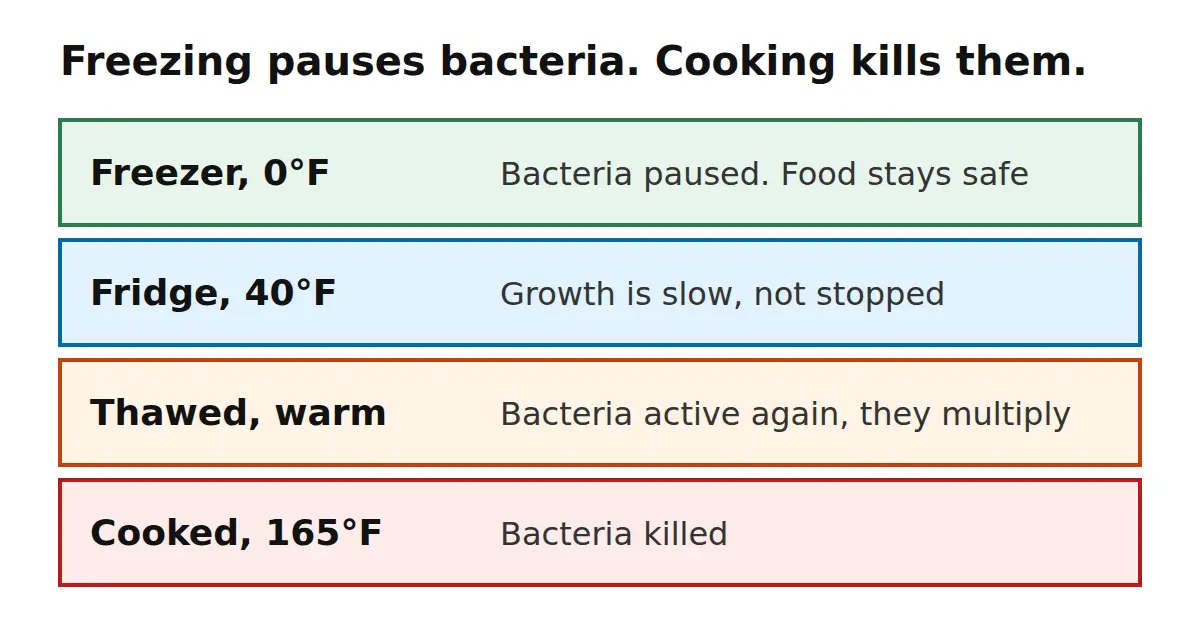
Freezing to 0°F makes microbes inactive. It does not kill them. When food thaws, those bacteria, yeasts and moulds can become active again and multiply under the right conditions, to levels that can cause illness. That is why thawed food must be handled like fresh food, and why the way you thaw matters.
Freezer burn is dry food, not unsafe food
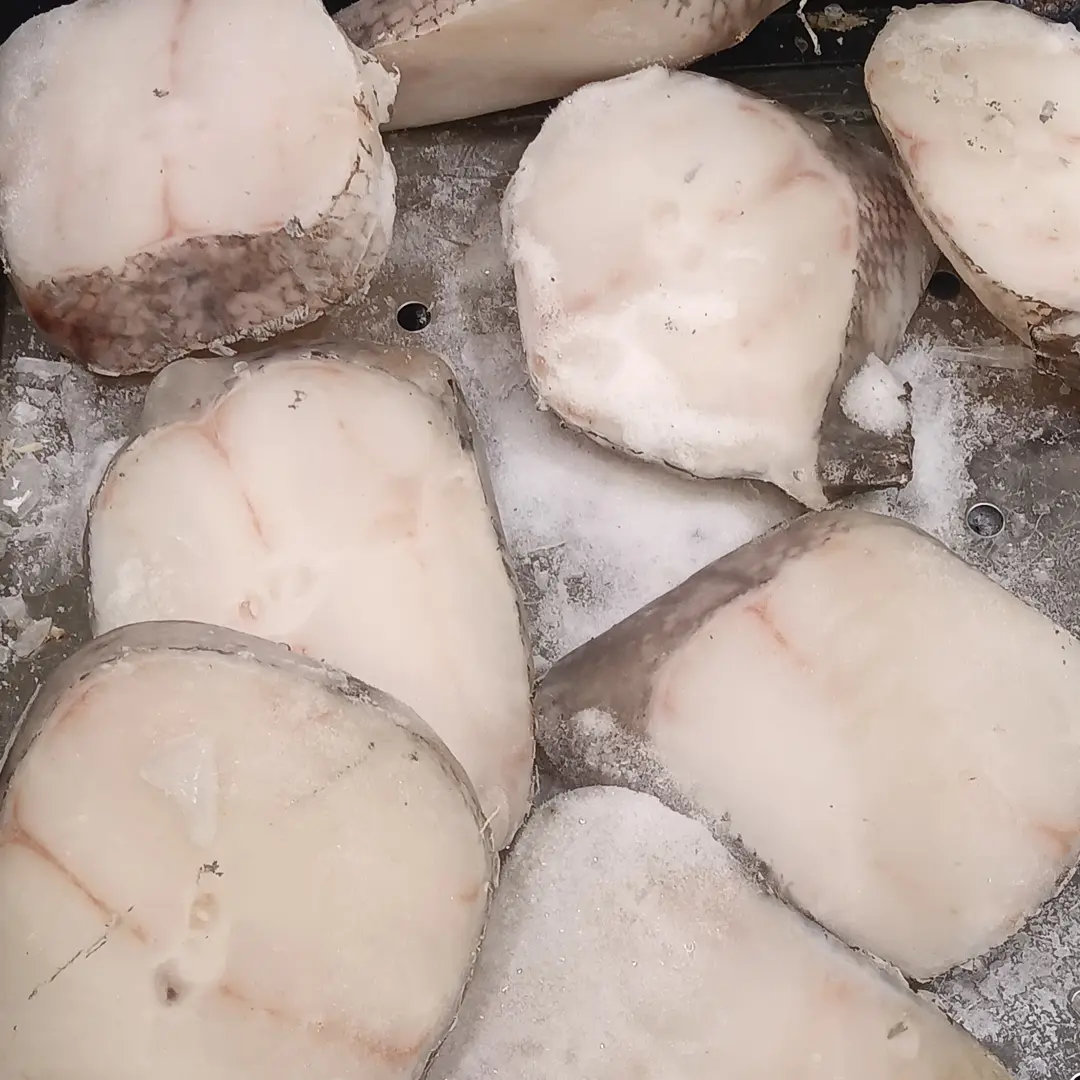
Freezer burn shows up as grey-brown, dry patches. It happens when air reaches the surface of frozen food and pulls moisture out. USDA says freezer burn does not make food unsafe, it only makes it dry in spots. You can cut the dry parts away before cooking, or use the food in a stew or sauce where the dryness is less noticeable.
Wrapping for the freezer
Meat and poultry can be frozen in the store wrap, but that wrap lets air through
For storage longer than a month or two, overwrap it with freezer paper, foil or freezer bags
Press the air out of bags before sealing
Freeze in flat portions so it freezes fast and thaws evenly
Write the date and the contents on the pack
Keep the freezer at 0°F (-18°C) or below
If the freezer lost power and the food thawed, treat it as fresh. Food that still has ice crystals, or is at 40°F or below, can be refrozen. Food that was thawed by cold water or the microwave should be cooked before it is refrozen.