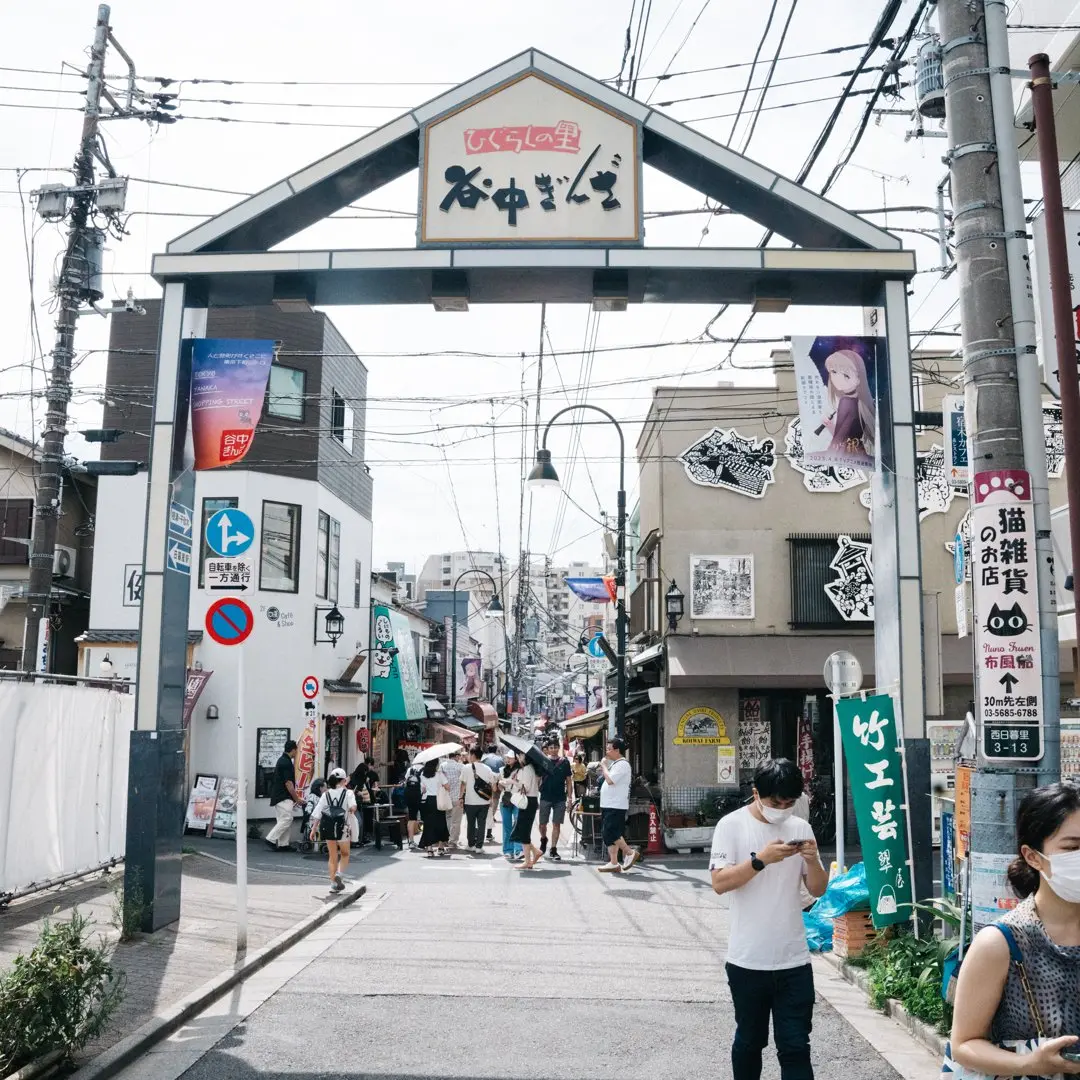
Yanaka Ginza: Tokyo's Best Street Food Walk
Walking time
About 30 minutes for the full street
Street length
170 metres, Nippori to Sendagi
Budget per person
JPY 1,500 to 3,000 for all stops
Best days
Wednesday to Sunday (most shops close Monday or Tuesday)
Nearest station
Nippori (JR, Keisei) or Sendagi (Tokyo Metro Chiyoda)
170 Metres of Old Tokyo, One Bite at a Time
Yanaka Ginza is a 170-metre shotengai (covered shopping street) that survived the 1923 earthquake and the World War II firebombing. Most of Tokyo rebuilt into concrete and glass; Yanaka did not. Power lines still run overhead, cats still lounge on shop ledges, and the food is still made by hand in the same small storefronts it has always occupied. The route runs downhill from the famous Yuyake Dandan sunset steps at the Nippori end to the quieter Sendagi side. Start at the top and eat your way down: that way the street opens in front of you rather than behind you, and the slope keeps you moving. Allow 90 minutes to eat unhurriedly. The street itself takes 10 minutes to walk end to end, but the queues at the best counters are worth joining. Arrive Wednesday to Sunday; most independent shops are closed on Mondays, and several also close on Tuesdays. All prices and hours are as of October 2026.
Getting There
From Nippori Station (JR Yamanote, JR Keihin-Tohoku, Keisei Main Line): take the West Exit and follow the signs for Yanaka Ginza. The Yuyake Dandan stairs are a four-minute walk. From Sendagi Station (Tokyo Metro Chiyoda Line, Exit 1): a six-minute walk north on Shinobazu-dori brings you to the Sendagi end of the street. Starting from Nippori gives you the classic downhill entrance; starting from Sendagi is easier if you are coming from central Tokyo on the Chiyoda line.
Stop 1. Yuyake Dandan (Sunset Steps)
Before the food, the view. Yuyake Dandan means "Sunset Stairs" and the steps face west: on clear afternoons the light turns the whole street gold from here. Sit on the steps for a minute, look down at the shopfronts, and then start walking. The steps have also become the neighbourhood's informal gathering point: cats find patches of sun on the lower steps, and elderly residents use the benches beside them. This is the one non-food stop on the route and it costs nothing.
Stop 2. Niku no Suzuki, 3-9-15 Yanaka, Taito-ku
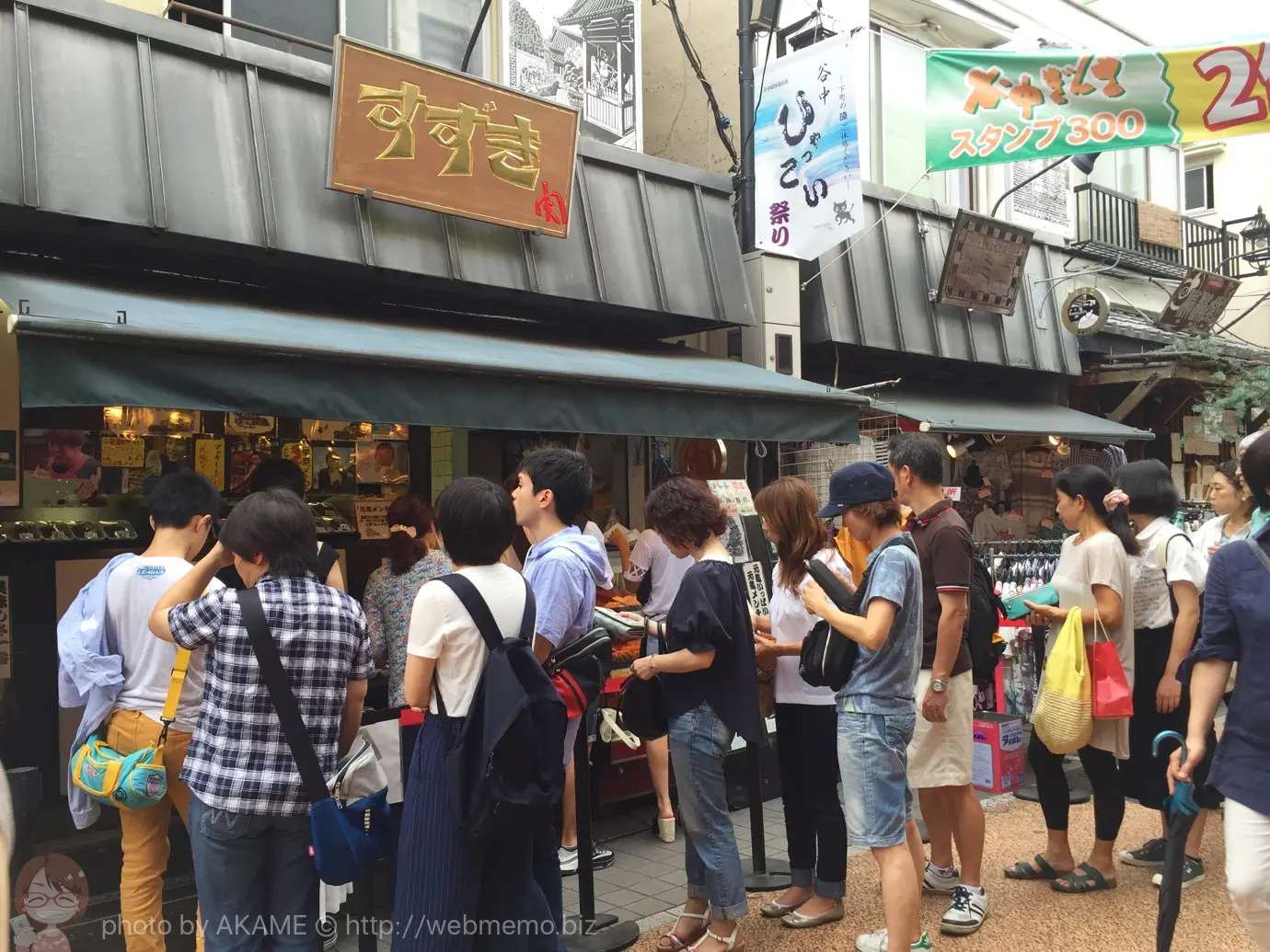
Open Wednesday to Sunday, 10:30 to 18:00. The most important stop on the street. Niku no Suzuki started as a butcher shop in 1933; the third-generation owner turned it into a prepared-food counter built around one item: the Genki Menchi-Katsu, a deep-fried patty of blended Japanese and Australian beef, coated in fine panko. It costs around JPY 280 to 300 per piece, served hot from the fryer. Eat it standing outside the counter. Expect a queue of 10 to 20 minutes on weekends; weekday mornings are quieter. The owner does not appreciate customers photographing the shop without buying first.
Stop 3. Yanaka Shippoya, 3-11-12 Yanaka, Taito-ku
Open 10:00 to 18:00 weekdays, 10:00 to 19:00 weekends. Irregular closures. Yanaka Ginza's nickname as "Cat Town" comes partly from the cats that live here and partly from shops like this one. Yanaka Shippoya sells baked doughnuts shaped like cat tails, made fresh in small batches in a rotating lineup of flavours: chocolate, caramel, matcha, and seasonal specials. Each one costs around JPY 150 to 160. They are lightly sweet and less dense than a fried doughnut, which makes them ideal as a walking snack between heavier stops. Look for the seven wooden cat sculptures mounted on rooftops as you walk the street; this shop is the starting point for that small treasure hunt.
Stop 4. Waguriya, 3-9-14 Yanaka, Taito-ku
Open Tuesday to Sunday, 11:00 to 17:30 (last order 16:30). The one sit-down stop on the route. Waguriya is devoted entirely to Japanese chestnuts (kuri), and it is the only shop on Yanaka Ginza with a small interior where you can take a seat. The signature item is a Montblanc: chestnut cream piped over a sponge base, served with a small pot of tea. It costs JPY 864. The chestnut soft serve (JPY 450) is available to take out if you prefer to keep moving. Waguriya sources its chestnuts throughout the year rather than just in autumn, which makes it unusual among wagashi shops.
Stop 5. Echigoya Saketen, 3-13-2 Yanaka, Taito-ku
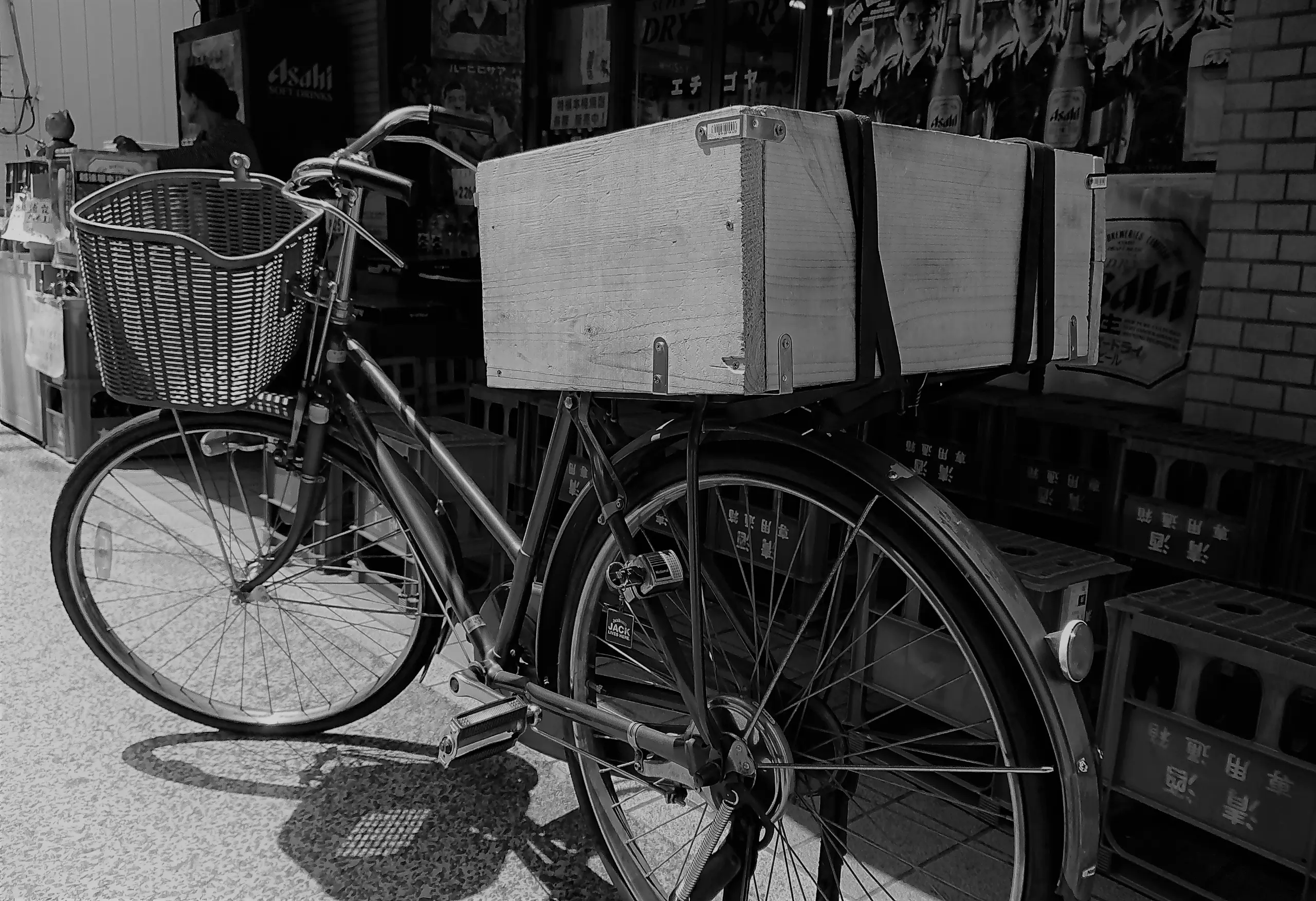
Open daily. Established 1904. Echigoya is a liquor shop that has become the neighbourhood's unofficial outdoor bar. Pick up a cold draft beer or a cup of sake from the counter (both very affordable) and take a seat on the wooden milk crates set out in front. The best time to use Echigoya is late afternoon, when the Yuyake Dandan steps catch the sunset behind you. The shop stocks specialty sake from across Japan and keeps Ebisu amber on tap, which is rare at a small street shop. Bring snacks from the surrounding stalls: the menchi from Niku no Suzuki or the ikayaki from Yakiya (see Practical Notes) pair well with cold beer.
Stop 6. Yanaka Beer Hall (finish), 2-15-6 Ueno Sakuragi, Taito-ku
Open Wednesday to Sunday from around 17:00. A short walk past the Sendagi end of the shopping street, Yanaka Beer Hall is a converted warehouse with craft beer on tap and a small food menu. It is the natural end point for an evening walk. Beers come in three sizes: half (285 ml) from JPY 700, regular (385 ml) from JPY 1,000, large (568 ml) from JPY 1,300. A four-beer flight (four glasses at 130 ml each) is JPY 1,600. The interior is dim and unhurried, which after a busy shopping street feels exactly right.
Practical notes: Yakiya (3-11-15 Yanaka) sells ikayaki, a squid pancake on a skewer, and is open from 11:00 on weekends. Niku no Sato (3-13-2 Yanaka) is a rival menchi-katsu counter to Niku no Suzuki at around JPY 230 per piece, worth a taste comparison. Mitsu Imo Kenkyujo serves award-winning roasted sweet potato sold by weight at JPY 400 per 100 grams. Himitsudo (in the quieter lanes off the main street) shaves natural ice from Nikko into seasonal kakigori flavours from JPY 1,500. Most of Yana