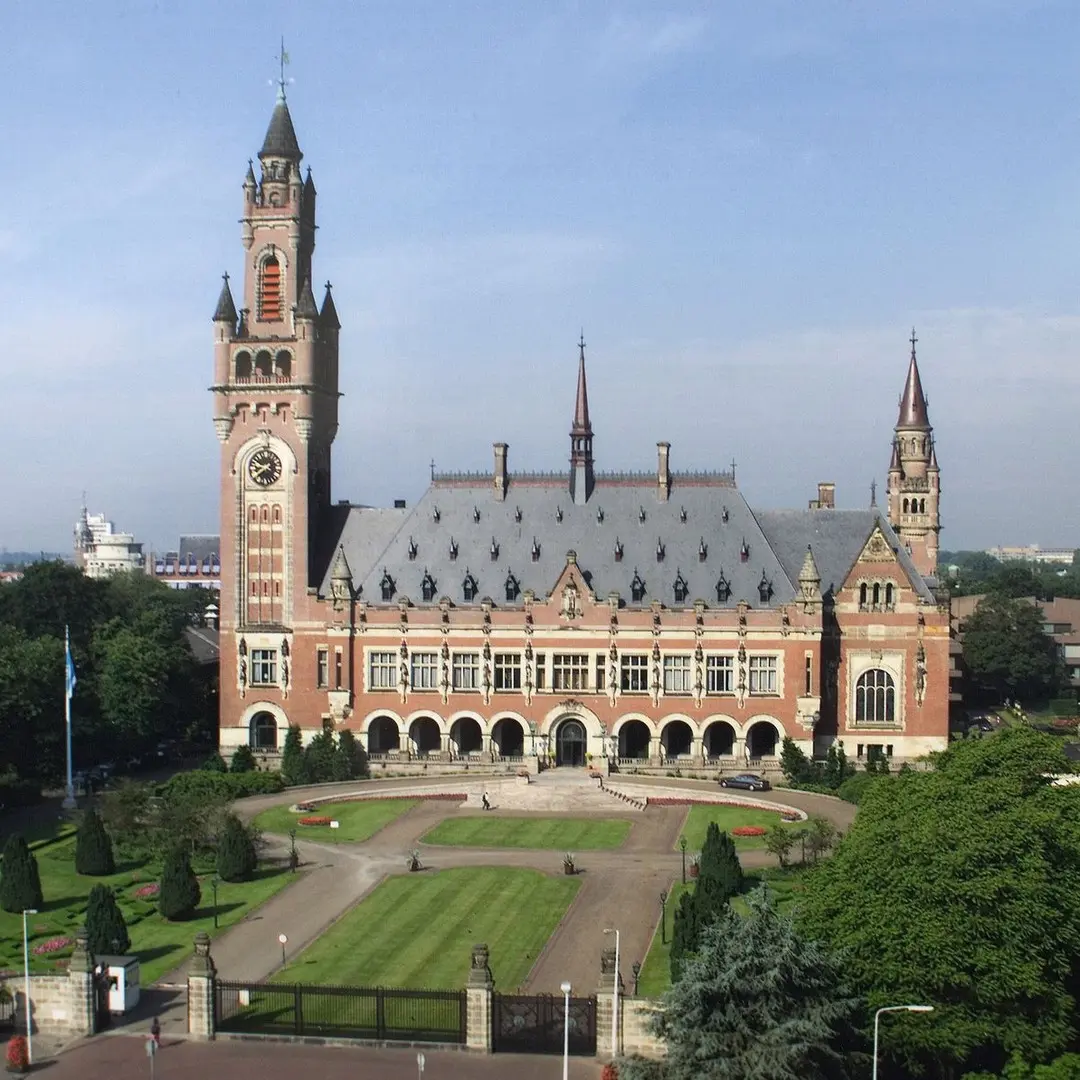
UK Returns to the ICJ: Dapo Akande Elected Judge
Five judges elected to the ICJ on 3 November 2026
| Judge | Country | Security Council votes |
|---|---|---|
| Dapo Akande | United Kingdom | 11 of 15 |
| Francois Alabrune | France | 13 of 15 |
| Rena Lee | Singapore | 13 of 15 |
| Mahmoud Daifallah Hmoud | Jordan | 10 of 15 |
| Phoebe Okowa | Kenya | 8 of 15 (round 3) |
~9years the UK had no judge on the court
Who Dapo Akande is
Akande is the Chichele Professor of Public International Law at the University of Oxford and a Fellow of All Souls College. He was born in Nigeria, qualified as a barrister there in 1993, and has held a British academic chair since the late 1990s. He has appeared as counsel or adviser before the ICJ and other international courts and was a member of the UN International Law Commission from 2023 to 2027. He will resign that position when his nine-year ICJ term begins.
ICJ bench total
15 judges
Candidates for 5 seats
9
GA threshold to be elected
97 of 193 votes
SC threshold to be elected
8 of 15 votes
New terms begin
6 February 2027
Term length
9 years (to 2036)
What the ICJ does
The International Court of Justice is the principal judicial organ of the United Nations. It settles legal disputes submitted by states and gives advisory opinions on questions put by UN organs and agencies. It does not try individuals. Recent cases include South Africa's genocide application against Israel and disputes over maritime boundaries. The court's judgments are binding on the parties under the UN Charter, but the court has no direct enforcement mechanism. Having a judge on the bench does not mean that judge rules in favour of their nominating state; judges serve independently.
What is not known yet
No details have been released about which ongoing or incoming cases Akande will be assigned to. It is not yet confirmed who he replaces on the bench (the five seats expiring on 5 February 2027 are those whose holders were elected in February 2018). The UK government has not named his academic successor at Oxford.
What happens next
General Assembly and Security Council elect five judges
All five seats resolved on 3 November 2026 (fifth seat required three rounds)
Outgoing judges' terms expire 5 February 2027
Five new judges sworn in and terms begin 6 February 2027
Akande resigns from the UN International Law Commission
New bench composition takes effect for pending ICJ cases
Sources: UN Press (press.un.org, 3 Nov 2026, primary source), The Guardian (21:09 UTC 3 Nov 2026), Security Council Report (whatsinblue), EconoTimes, TVC News, NaijaNews (3 Nov 2026). Cover: ICJ headquarters, The Hague, 2006 (public domain, released by the International Court of Justice).