Total Solar Eclipse: August 12 2026
Totality Arrives in Spain
Eclipse type
Total solar eclipse
Maximum totality duration
2 minutes 18 seconds (off Iceland coast)
Width of the shadow path
approx. 160 km at totality centre
Last European mainland totality
1999 (27 years ago)
Next one crossing Europe
2075
People in the path of totality
approx. 15 million (Iceland plus Spain)
What Is Happening on August 12
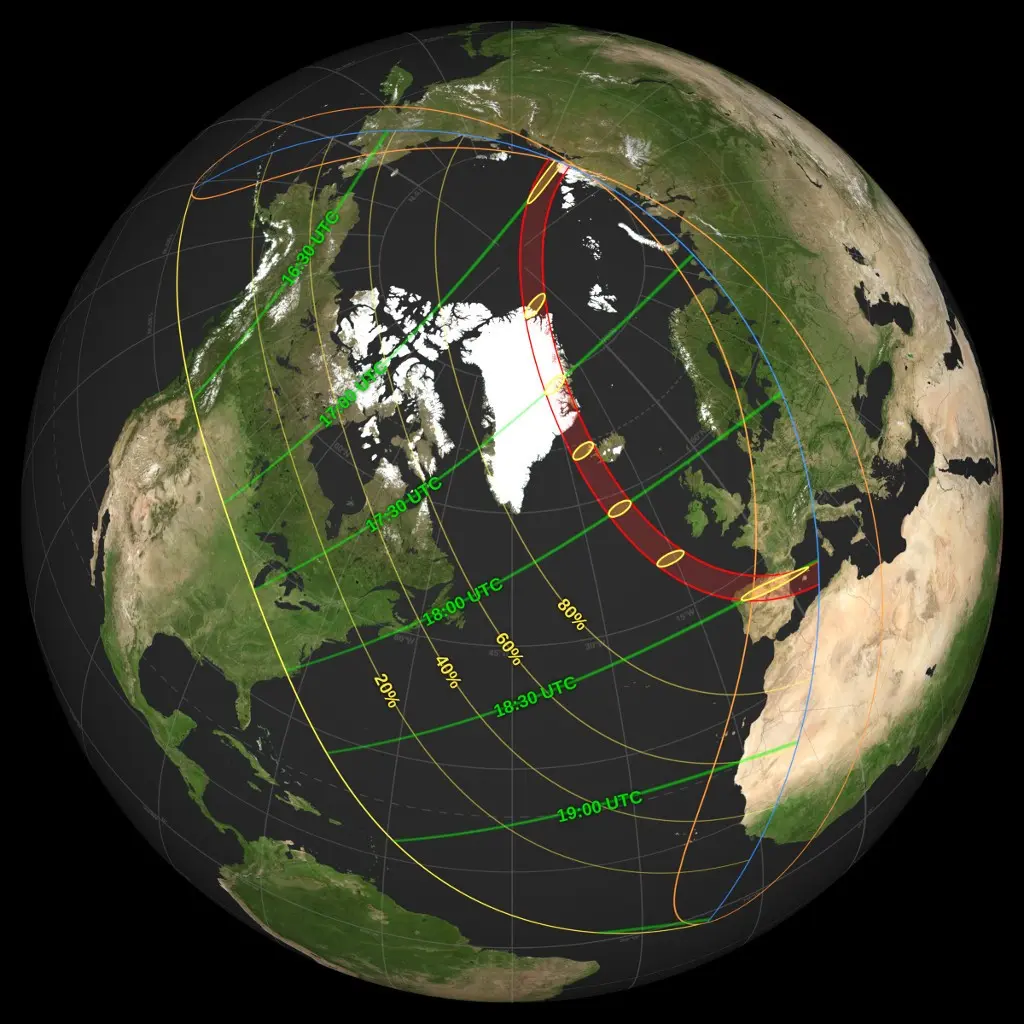
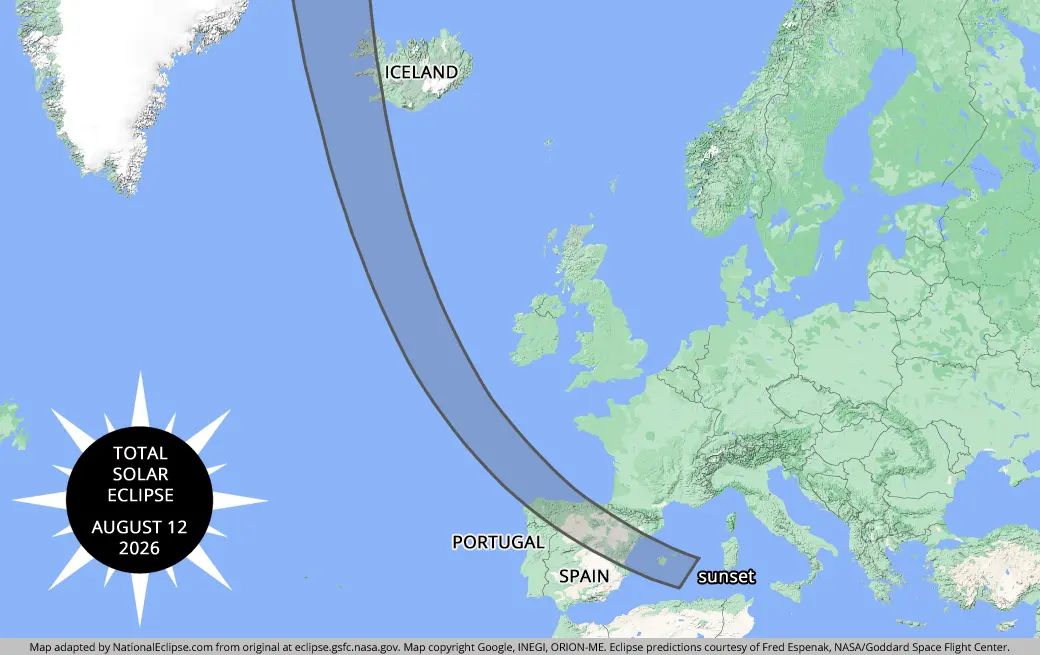
On August 12, 2026, the Moon slides directly between the Earth and the Sun, casting a cone of total darkness called the umbra across a narrow strip of the planet. Anyone standing inside that strip will see the Sun's disc completely blocked, revealing the ghostly white corona: the Sun's outer atmosphere, invisible to the naked eye at any other time. The path of the umbra begins at dawn over the remote Taymyr Peninsula in Siberian Russia, arcs north over the Greenland ice cap, clips the western coast of Iceland, then crosses the North Atlantic and sweeps across northern Spain before the shadow lifts over the Mediterranean. The whole transit from first contact to last takes under four hours. The window of totality at any single point lasts fewer than two and a half minutes.
Reykjavik, Iceland
Santander, Spain
Burgos and Leon, Spain
Palma, Mallorca
What to Look For During the Two Minutes
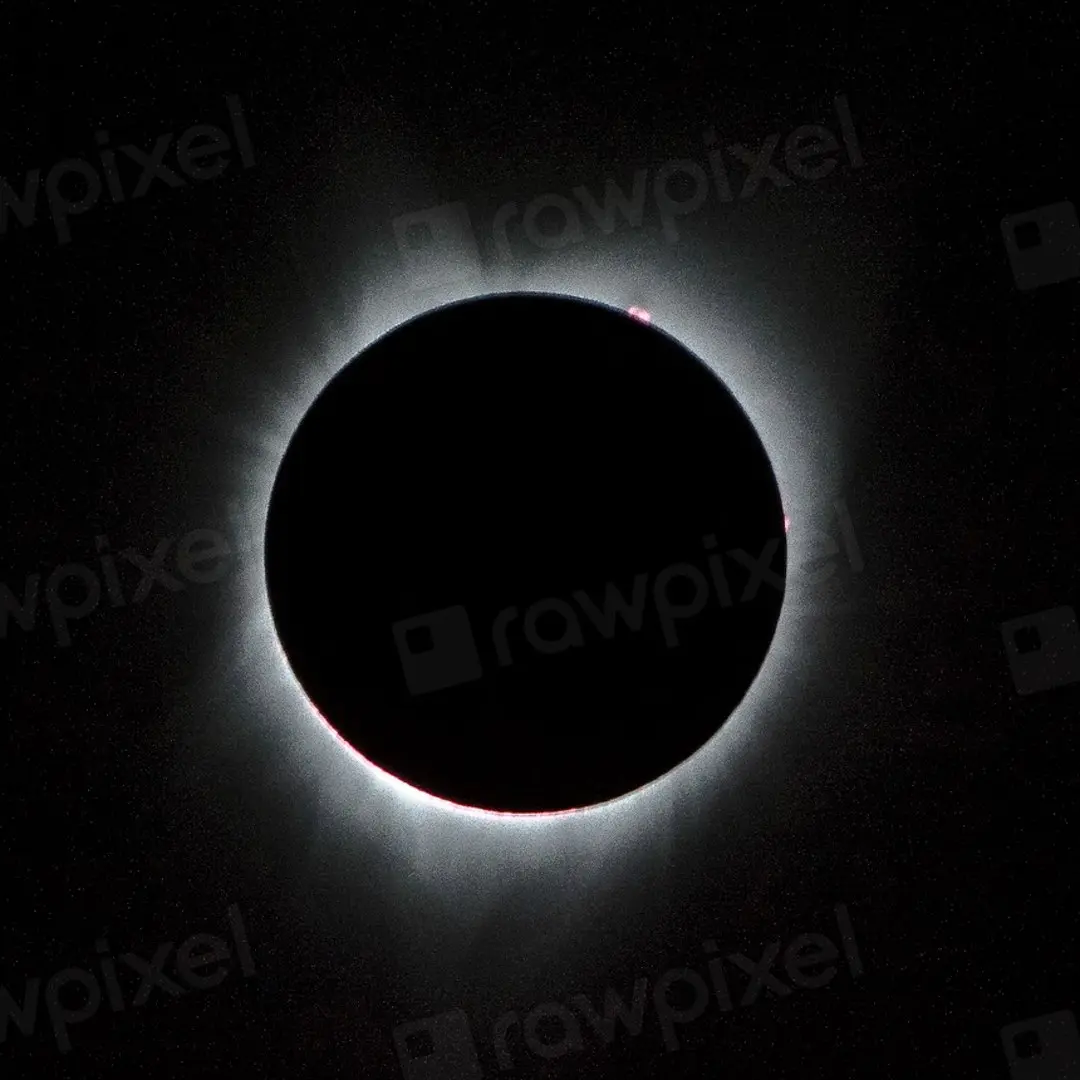
Three phenomena are only visible during totality and nowhere else. Baily's beads: as the Moon's mountains and valleys break the last crescent of sunlight, it shatters into a string of bright droplets along the lunar limb just before totality begins. The diamond ring effect: one final bead blazes brilliantly as the last sliver of photosphere vanishes, then the corona erupts into view. The corona itself: the Sun's outer atmosphere stretches for millions of kilometres. At the 2026 eclipse the Sun is near solar maximum, so the corona is expected to be large, asymmetric, and full of looping prominences visible to the naked eye. Stars and bright planets will appear around the blacked-out Sun. Temperatures will drop 5 to 10 degrees in seconds. Birds may stop singing. Then, in under three minutes, it is over.
Your Eclipse Day Checklist
- Book your site in advance. Santander, Bilbao, and Burgos are all reporting hotel rooms sold out for August 12. Search for inland villages along the centreline.
- Get ISO 12312-2 certified eclipse glasses. Standard sunglasses block nothing at a safe level. The ISO rating is printed on the lens arm. Verify it before August 12.
- Arrive early and face west. Totality in Spain starts with the Sun already low. Any building or hill to your west will block the view. Scout your spot the day before.
- Stay flexible. Cloud cover is the single biggest threat. Monitor AEMET (Spain's met office) from August 10 and be ready to drive an hour toward clear skies.
- Remove eclipse glasses ONLY during totality (when the Sun is fully covered). Put them back on the moment the diamond ring appears at third contact. This is critical.
- Set two phone alarms: one for 30 seconds before totality, one for 30 seconds before end. This lets you put the glasses down and just experience it with your own eyes.
- Capture the atmosphere, not just the eclipse. Point one camera straight up. Use another, on a tripod with a solar filter, for the corona. Do not spend totality staring at a screen. Two minutes passes faster than you expect.
The next total solar eclipse crossing mainland Europe will be on September 3, 2081. The 2026 eclipse is the only one most people alive today will ever see from European soil. The one after that, in 2027, sweeps North Africa, the Arabian Peninsula, and the Horn of Africa but misses Europe entirely.
"Totality is one of the most overwhelming experiences a human being can have outdoors. People who swore they had no interest in astronomy become eclipse chasers for life after their first two minutes in the shadow.
"NASA Eclipse Science Office