Tick Surge 2026: The Lyme Disease Guide
This is the worst tick season in nearly a decade. The CDC confirmed in April 2026 that emergency room visits for tick bites are running more than 25 percent above the same month last year, the highest rate since 2017. The season runs through October and peak exposure is right now.
ER visits above average this April
up more than 25 percent year on year
Americans bitten by a tick each year
estimated 31 million
Lyme disease cases treated annually in the US
around 476,000
Connecticut ticks testing positive for Lyme
40 percent in current sampling
Season length
April through October in most endemic regions
Why Is 2026 So Bad?
Warmer, shorter winters are the primary driver. More ticks survive into the following year when temperatures stay mild, and the white-tailed deer population that hosts adult ticks has continued to grow at the suburban fringe. The combination has pushed tick habitat deeper into parks, backyards, and trail edges that were considered low-risk a generation ago. Connecticut alone is receiving around 30 tick submissions per day for disease testing.
Lyme disease is caused by the bacterium Borrelia burgdorferi, carried mainly by the black-legged deer tick. Symptoms include the classic bull's-eye rash (erythema migrans), fever, fatigue, and joint pain. Caught early it responds well to a short course of antibiotics.
The Northeast and Midwest account for the majority of US cases, but cases have been reported in all 50 states. The Southeast is seeing a faster rise in tick-borne spotted fever than any other region. No area should be treated as tick-free in summer 2026.
Protect yourself this season
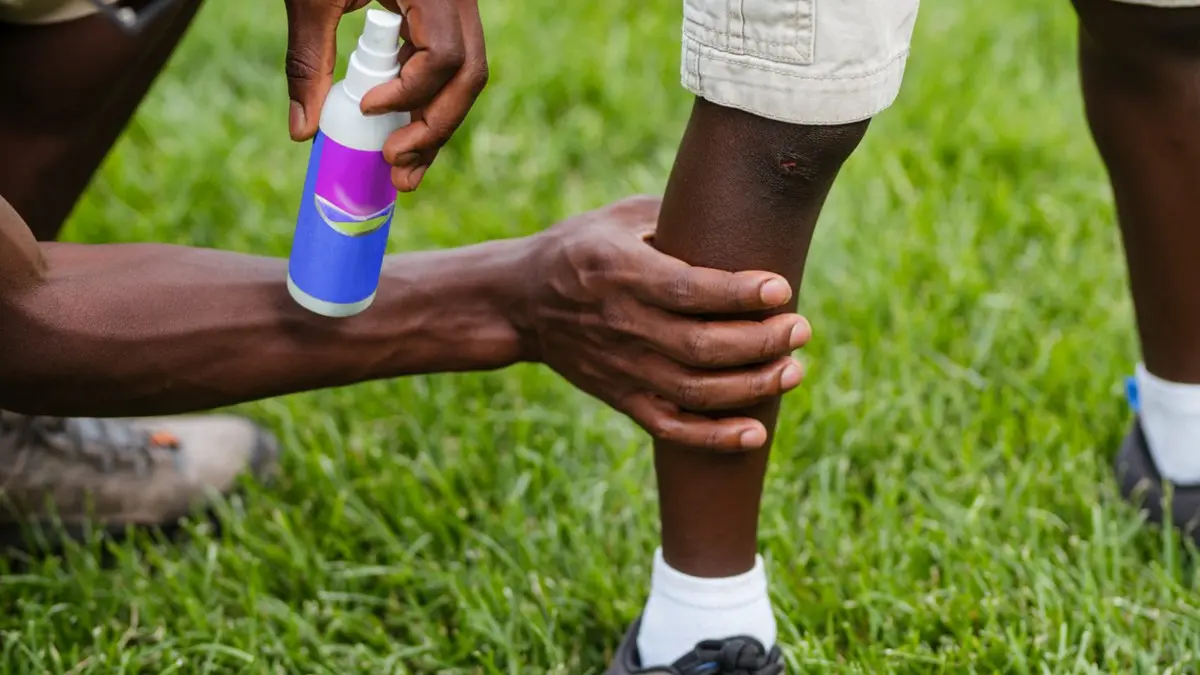
- Use EPA-registered insect repellent (DEET 20 percent or higher) on exposed skin when outdoors.
- Treat outdoor clothing and gear with permethrin. It binds to fabric and survives multiple washes.
- Walk in the centre of trails. Ticks wait on grass blades and leaf edges, not open ground.
- Do a full body tick check within two hours of coming indoors, including scalp and behind knees.
- Put clothes in a dryer on high heat for ten minutes before washing to kill attached ticks.
- Remove attached ticks with fine-tipped tweezers, pulling straight up without twisting or squeezing.
- If you remove an attached tick, note the date and watch for a rash or fever for 30 days.
Time to remove tick to prevent Lyme
within 24 hours of attachment
Alpha-gal syndrome cases rising
tick-triggered red meat allergy, now a CDC watch item
Rocky Mountain spotted fever fatality rate if untreated
up to 20 percent
Pfizer vaccine trial efficacy against Lyme
70 percent in late-stage 2026 study
A Pfizer Lyme disease vaccine is now in late-stage trials. In a study reported in March 2026 the vaccine prevented Lyme in 70 percent of recipients. It is not yet approved, but the trial data has accelerated the regulatory timeline and it may be available for the 2027 season.
Where in the US are you seeing the most ticks this summer?
Drop your state or region and what you are finding out there. Hikers, gardeners, parents of outdoor kids: your real-world data helps everyone on this slate spot the emerging hotspots.