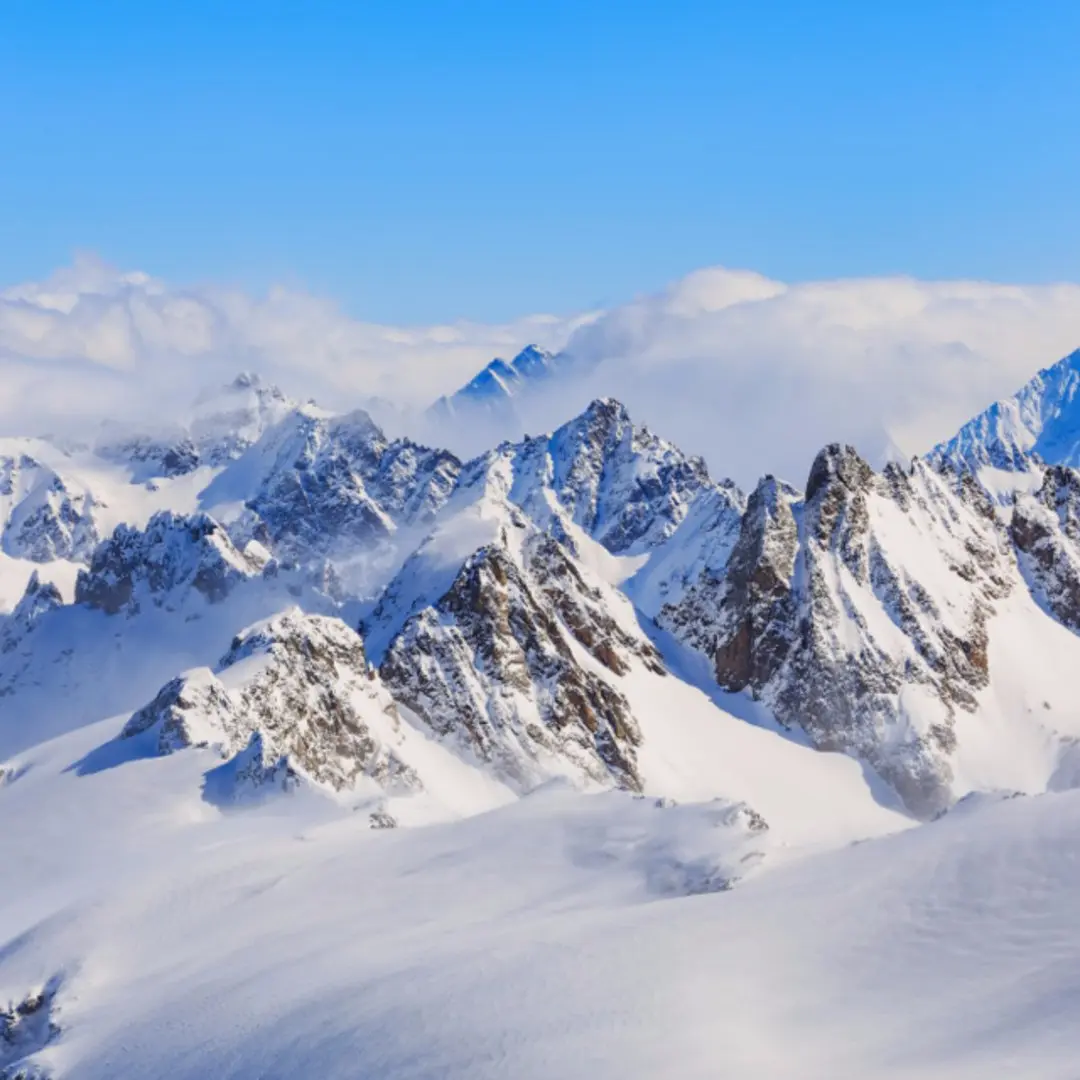
Switzerland Has Been Neutral for 211 Years
211 Years, a CHF 7.5 Billion Question, and a Vote Due Today
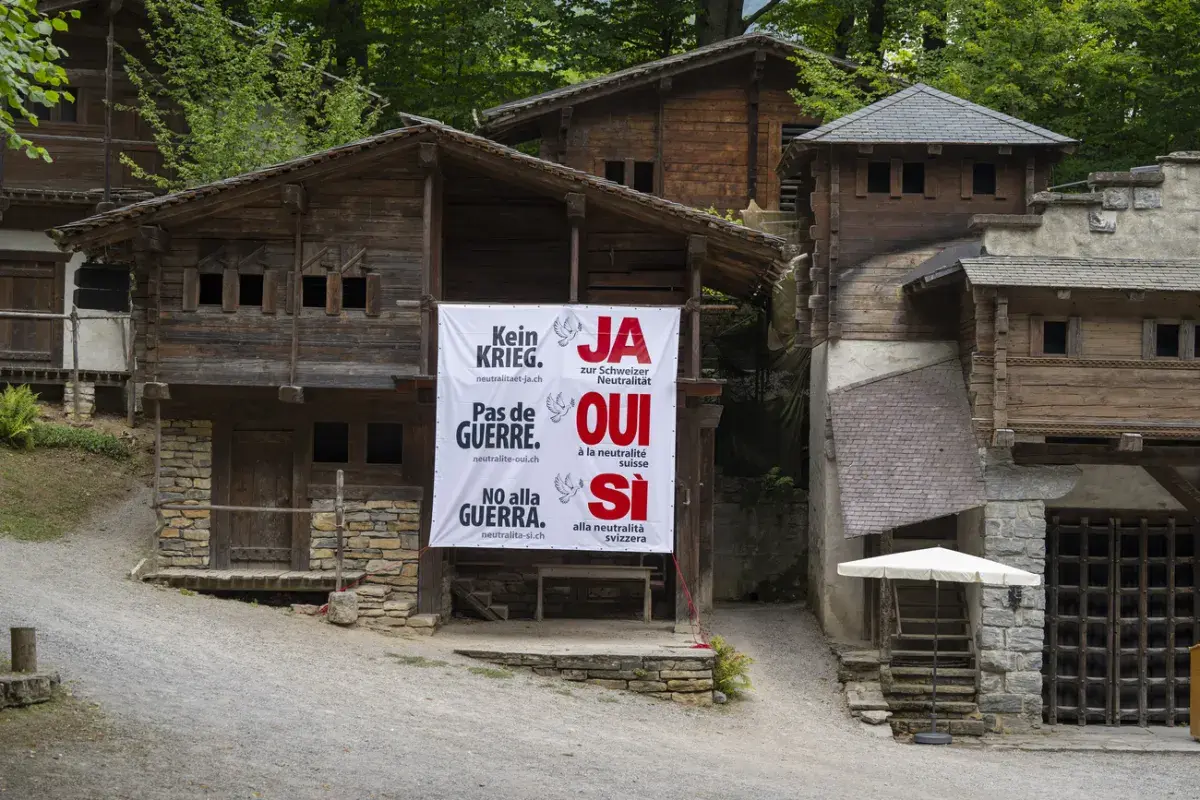
Switzerland declared permanent, armed neutrality in 1815. For the next 207 years it did not join wars, did not join NATO, and did not impose sanctions on anyone. Then, four days after Russia invaded Ukraine on February 28, 2022, the Federal Council broke that tradition. Switzerland adopted the EU sanctions package. By November 2022 it had frozen CHF 7.5 billion in Russian financial assets and blocked 15 properties. Today, September 27, 2026, Swiss citizens vote on whether to write the old strict interpretation back into the constitution, permanently. The Neutrality Initiative would bar Switzerland from joining any military alliance and from imposing economic sanctions on any warring state unless the UN Security Council mandated it first. Russia holds a permanent veto there. The Federal Council and every major party except the SVP oppose the initiative. Polls show 63% plan to reject it. But polls are not votes.
Christoph Blocher's Last Campaign
The initiative is the final major political campaign of Christoph Blocher, 85, the SVP billionaire whose organisation Pro Schweiz ran the signature drive that put it on the ballot. Blocher's argument is blunt: "We've hurt our neutrality with these EU sanctions. Now Russia thinks we're part of the war." The SVP, Switzerland's largest party, is the only parliamentary force backing the initiative. Its support has declined during the campaign. The first SRG poll in mid-August showed 43% in favour. The second, completed in early September, showed only 34%. Support even among SVP voters fell nine points to 77%. Political scientist Lukas Golder of gfs.bern said: "A rejection of the initiative is clearly the most likely outcome."
"The question on the ballot is not: Should Switzerland remain neutral? Because there is no doubt about that. Neutrality is an instrument and not an end.
"Foreign Minister Ignazio Cassis during the campaign
The Apartheid Argument
The sharpest attack on the Blocher camp comes from Social Democrat MP Fabian Molina, who notes that Blocher's businesses traded with South Africa during apartheid and with Russia until 2022. "With no sanctions, it is easier to trade with dirty regimes," Molina said. He drew the line directly: "We supported the racist regime and prolonged apartheid in South Africa. To reject sanctions now would put us in a similar situation with Russia. This is morally wrong." If the initiative passed, Switzerland would also be barred from its NATO Partnership for Peace arrangement, which it joined in 1996 without collective-defence obligations. More than two-thirds of poll respondents said the initiative would weaken Swiss security rather than protect it.
Swiss neutrality recognised
Congress of Vienna 1815
Neutrality enshrined in federal constitution
1848
Switzerland joins UN
2002
Switzerland adopts EU Russia sanctions
February 28 2022
Russian assets frozen in Switzerland by Nov 2022
CHF 7.5 billion
Poll opposition to the initiative (SRG Sept 2026)
63%
Poll support (SRG Sept 2026)
34%
SVP voter support down 9 pts since August
77%
What Happens If It Passes
A constitutional initiative requires a double majority: over 50% of voters AND a majority of the 26 cantons. With polls showing 29-point opposition, passage is unlikely today. But if it did pass, the consequences would be immediate and binding. Switzerland would need UN Security Council approval before any future sanctions regime, giving Russia a standing veto over Swiss foreign policy. The CHF 7.5 billion already frozen would not be automatically released, but every future EU package Switzerland was asked to adopt would face a constitutional challenge. The vote is a signal on Europe's direction. Sweden and Finland joined NATO in 2022 and 2023. Austria has moved closer to EU defence cooperation. Switzerland is the last major European state where this question is still genuinely open. A debate started in 1815 is being settled, one way or the other, in polling booths today.