Sunscreen Numbers Explained: SPF, PA and UVA
The numbers most people get wrong
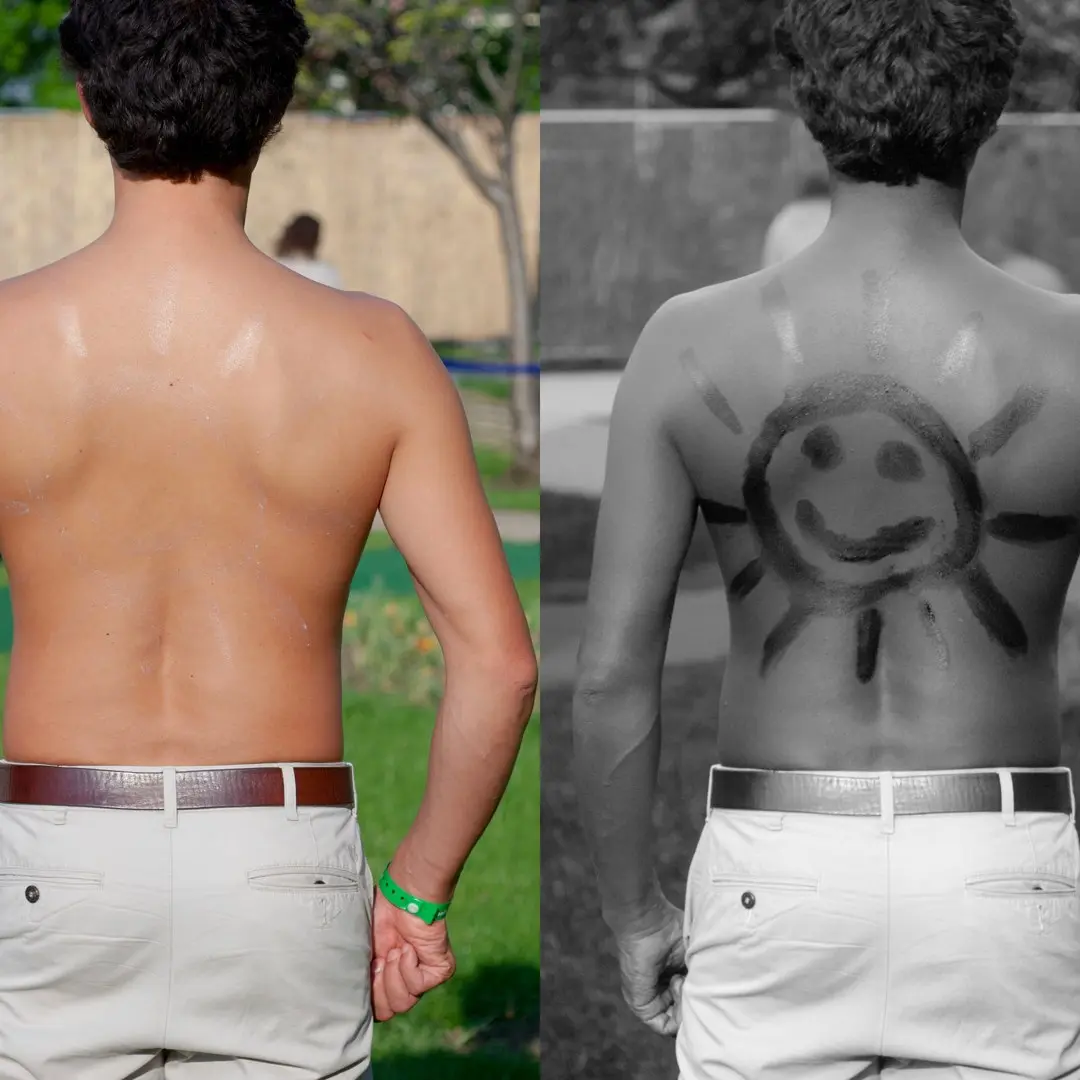
SPF 30 does not give twice the protection of SPF 15. PA++++ is not just marketing. Most adults apply a quarter of the recommended amount, which means the effective SPF is far lower than the label says. This reference pulls together the five sets of numbers that matter: what SPF actually blocks, what the PA tiers mean in measurable terms, the difference between mineral and chemical filters, how much to apply, and when to reapply. Every figure comes from the Skin Cancer Foundation, the American Academy of Dermatology, or FDA-mandated label rules.
SPF measures UVB protection only
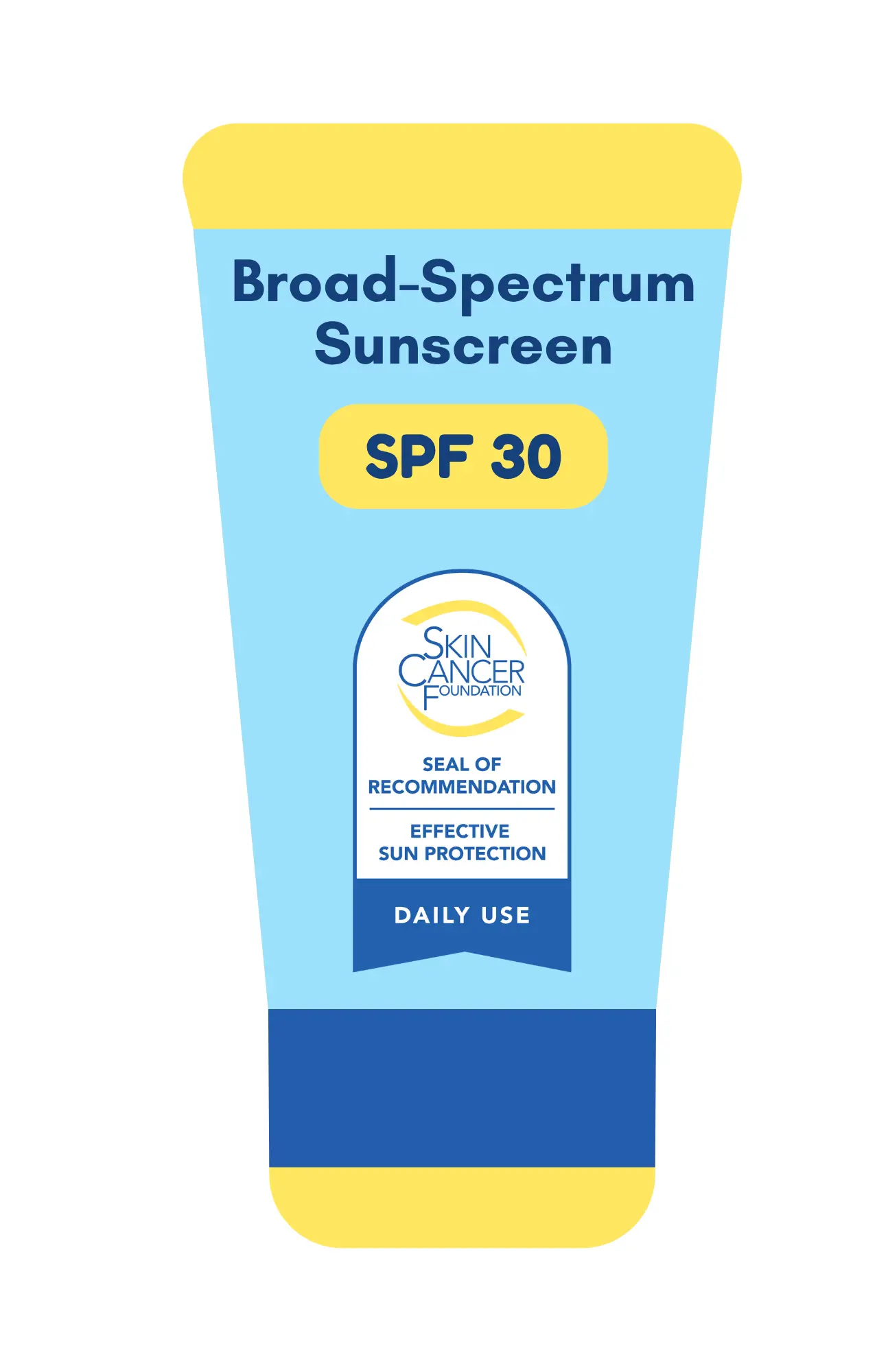
SPF stands for Sun Protection Factor. The number tells you how much of the sun's UVB rays (the rays that cause sunburn) are blocked. It says nothing about UVA protection, which requires a separate rating. The relationship between SPF and protection is not linear. Going from SPF 15 to SPF 30 is a meaningful jump. Going from SPF 50 to SPF 100 is not: you gain one percentage point of UVB blockage while the concentration of active ingredients roughly doubles.
SPF 15
blocks 93% of UVB rays
SPF 30
blocks 97% of UVB rays
SPF 50
blocks 98% of UVB rays
SPF 100
blocks 99% of UVB rays (FDA proposes capping labels at 60+)
UVA and UVB are different problems
UVB rays (280 to 315 nm) cause sunburn and most skin cancers. UVA rays (315 to 400 nm) penetrate deeper into the skin, causing aging, wrinkles, and contributing to skin cancer. UVA is present year-round and passes through glass: standard car side windows block roughly half of UVA, but windshields block more than 90%. Clouds reduce UVB more than UVA. The practical upshot: a high SPF alone is not full protection. Broad-spectrum sunscreen covers both wavelengths. The PA rating system, used on products sold in Japan and increasingly in the US and UK, measures UVA protection specifically.
PA ratings: four tiers of UVA protection
The PA system was developed by the Japan Cosmetic Industry Association (JCIA) and uses PPD (Persistent Pigment Darkening) as its measure. A higher PPD means more UVA protection. The system was expanded from three to four tiers in 2013 when the JCIA adopted ISO 24442:2011 as its test method.
PA+
PPD 2 to less than 4: minimal UVA protection
PA++
PPD 4 to less than 8: moderate UVA protection
PA+++
PPD 8 to less than 16: high UVA protection
PA++++
PPD 16 or above: very high UVA protection (highest tier, JCIA standard)
Mineral vs chemical: what the label actually means
The active ingredients tell you which type you have. This distinction matters for people with sensitive skin, for children, and for anyone choosing reef-safe options.
Mineral (physical)
Active ingredients: zinc oxide and/or titanium dioxide. Reflect and absorb UV.
Chemical
Active ingredients: avobenzone, oxybenzone, others. Absorb UV and convert to heat.
The FDA currently recognises only zinc oxide and titanium dioxide as safe and effective (Category I) in its proposed sunscreen monograph. Twelve chemical filters, including oxybenzone and avobenzone, have been classified as needing more safety data (Category III). This does not mean they are unsafe: it means the FDA wants additional studies. Both types are widely used and regulated.
How much to apply, and when to reapply
Most people apply 25 to 50 percent of the amount used in SPF lab tests. A correctly applied SPF 30 in practice often delivers SPF 10 to 15 protection. The Skin Cancer Foundation recommends 1 oz (about a shot glass) for the full body and a nickel-sized dollop for the face alone. Reapplication rules come directly from the FDA's mandatory label requirements (21 CFR section 201.327), so the timing on every US sunscreen label is legally standardised.
Whole body
1 oz (about a shot glass) per full application
Face alone
A nickel-sized dollop per application
Standard reapplication
Every 2 hours outdoors
Water-resistant (40 min)
Reapply after 40 minutes of swimming or sweating
Water-resistant (80 min)
Reapply after 80 minutes of swimming or sweating
After towel-drying
Reapply immediately after drying off
The most effective sunscreen is the one you actually use correctly. A broad-spectrum SPF 30 applied generously and reapplied every two hours outperforms an SPF 100 used sparingly or left on all day without reapplication. Dermatologists recommend SPF 30 as the practical minimum for daily use and SPF 50 for extended outdoor time.