Strait of Hormuz: The Ceasefire That Just Collapse
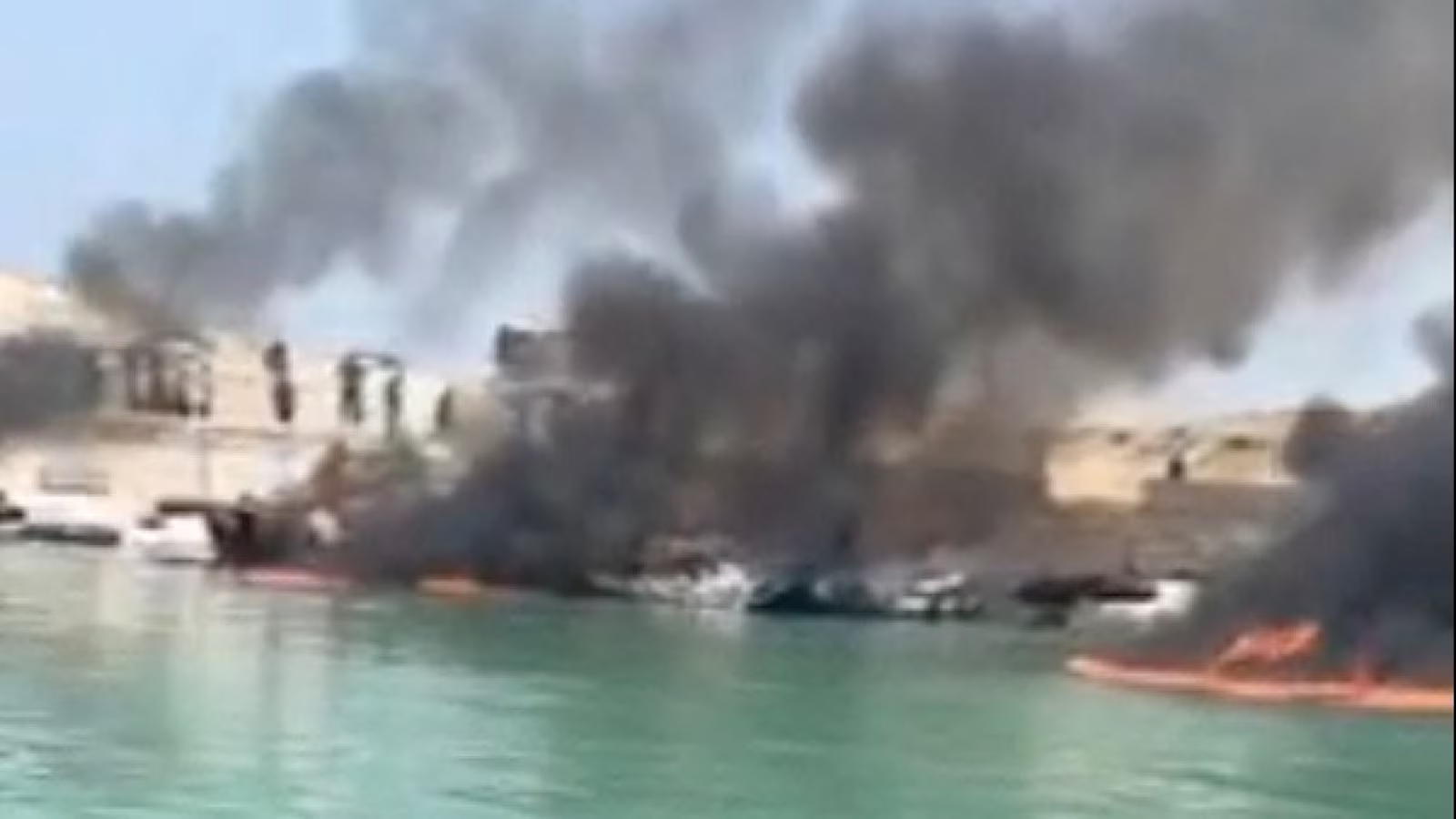
The ceasefire is over. Again. On 9 July 2026 the United States struck 90 Iranian targets across five provinces in a single night, including the perimeter of the Bushehr nuclear power plant. Iran retaliated with ballistic missiles aimed at US bases in Kuwait, Bahrain, and Jordan. The Islamabad Memorandum, signed just three weeks earlier to end the Iran war, is functionally dead. The Strait of Hormuz, through which roughly 20 percent of the world's traded oil flows, is once again in question.
US strike targets, 8 to 9 July
90 sites across southern and eastern Iran
Iranian casualties reported
14 killed, 78 injured (Iranian state media)
Ships through Hormuz in June 2026
576 (vs 233 in May, 3,100 in June 2025)
Provinces struck
5, including Bushehr, Sistan-Baluchestan, and Golestan
Ceasefire signed
17 June 2026, the Islamabad Memorandum
How the Ceasefire Fell Apart
Event
/
Date
Why the Strait of Hormuz Is the World's Pressure Point
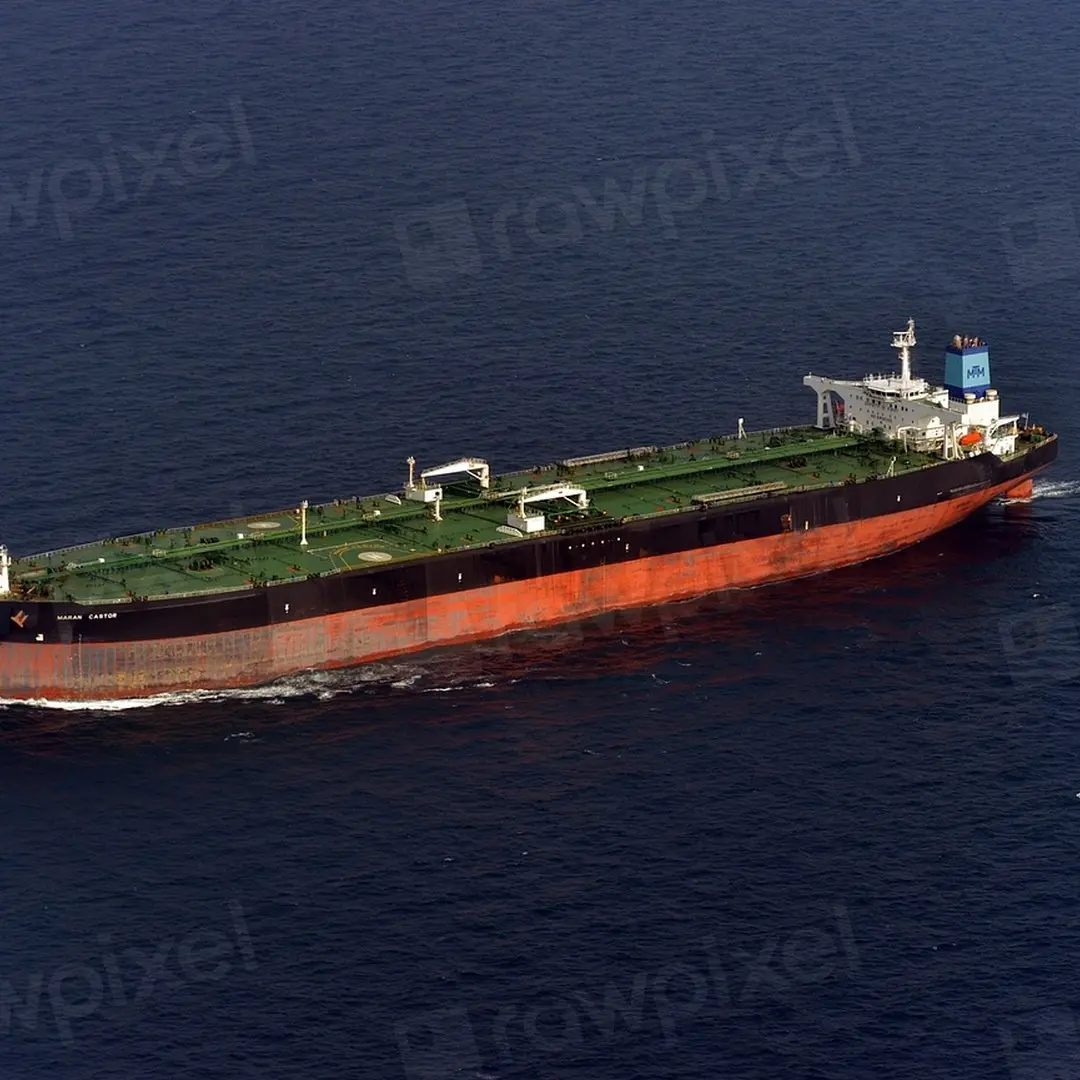
The Strait of Hormuz is a 21-mile-wide passage between the southern tip of Iran and the coast of Oman. Every day, between 17 and 21 million barrels of crude oil pass through it on tankers heading for Asia, Europe, and beyond. That is roughly one in every five barrels of oil traded globally. Saudi Arabia, Iraq, Kuwait, the UAE, and Qatar all depend on the strait to export their production. There is no pipeline alternative that can carry comparable volumes. When Iran threatens to close the strait, global fuel prices spike immediately. When the US-Iran ceasefire reopened it in June, tanker traffic rose from 233 ships in May to 576 in June. As of 11 July, that traffic has dropped sharply again following the second round of strikes.
The diplomatic path. Pakistan's army chief and Qatar's foreign minister are in contact with Tehran and Washington simultaneously. Iran's foreign minister has spoken to his Saudi, Turkish, and Omani counterparts, a sign that regional intermediaries are trying to restore talks. Trump has left open the door to renewed negotiations even while declaring the ceasefire finished. A source of cautious optimism: both sides said similar things in April before the Islamabad talks began. The 60-day negotiati
What changes if Hormuz closes. A full Iranian closure of the Strait of Hormuz has never been achieved but even a partial disruption, mining, intimidation of tankers, or denial of safe passage, is enough to spike Brent crude by 20 to 40 percent within days. Insurance premiums for Hormuz transits have already risen sharply. US Strategic Petroleum Reserve releases can buffer domestic supply for weeks, not months. The last time traffic was this disrupted, in early 2026 before the April ceasefire, th
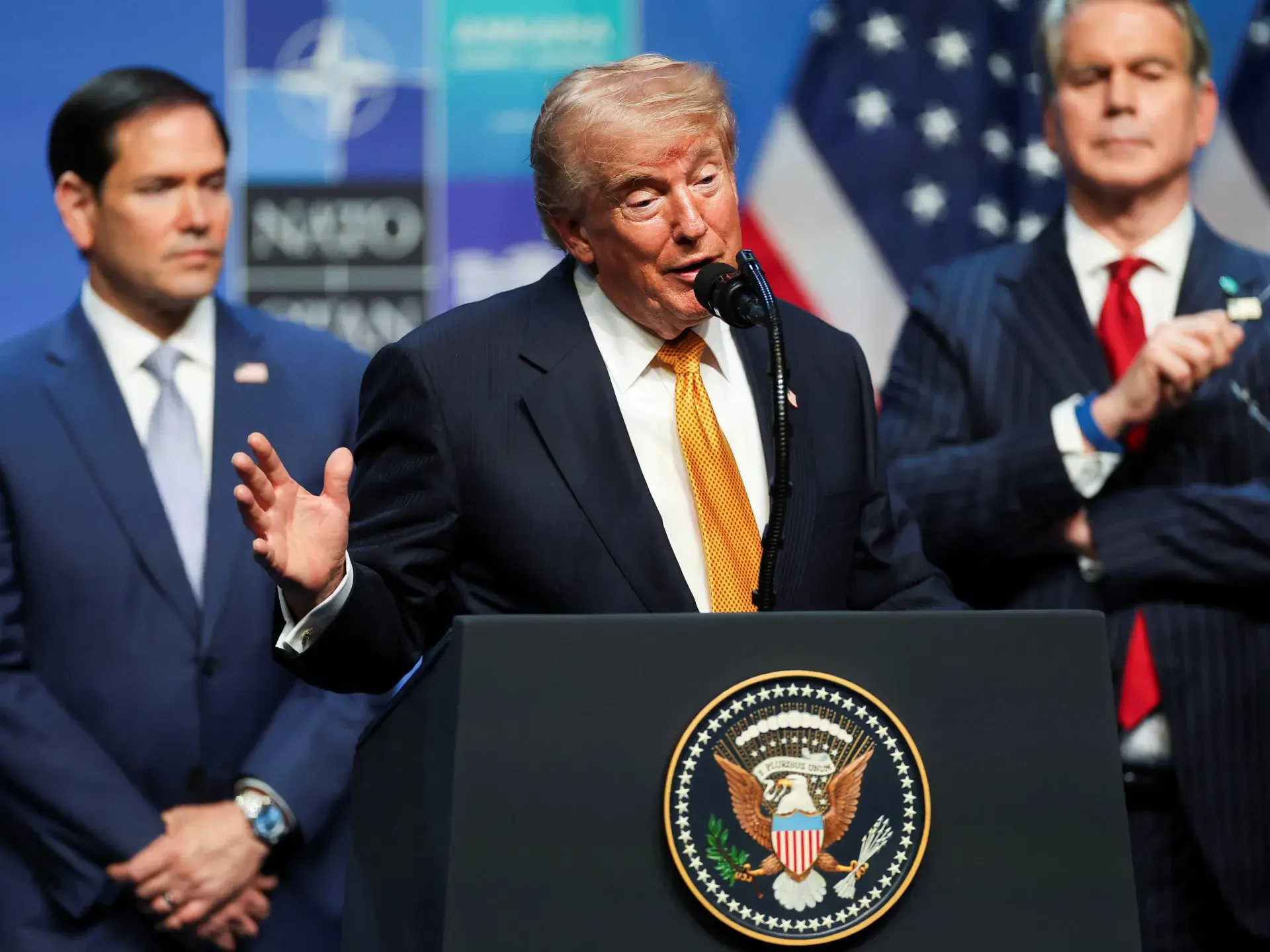
"The deal is very simple. If they shoot at ships, we are going to knock the hell out of them.
"JD Vance · US Vice President · 9 July 2026