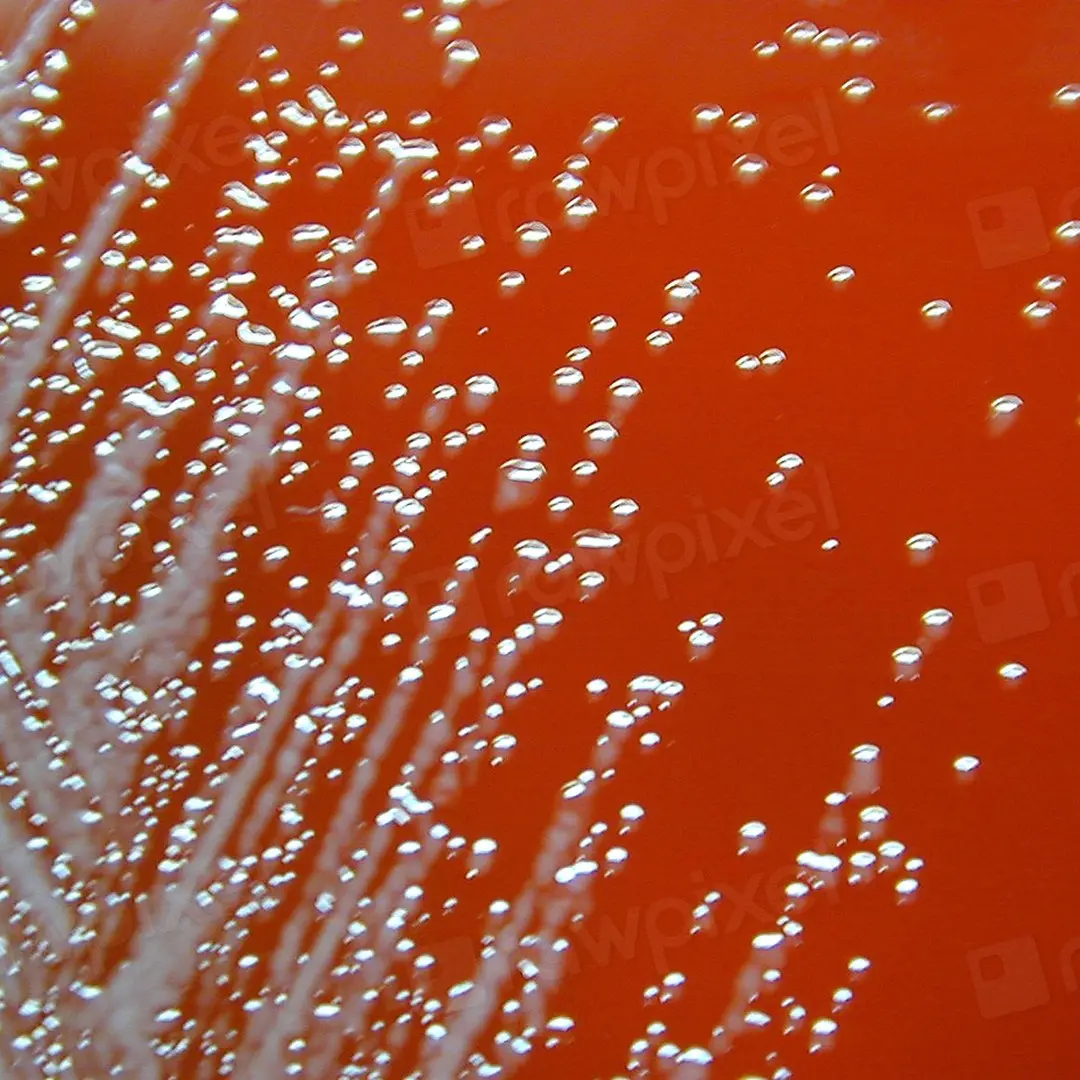
SpudCell: The First Synthetic Living Cell
The First Synthetic Cell With a Complete Life Cycle
On 1 July 2026, a team at the University of Minnesota led by synthetic biologist Kate Adamala posted a preprint announcing SpudCell: the first artificial cell assembled entirely from non-living chemicals that completes a full cycle of life. It eats, grows, copies its genome, and divides into daughter cells, then repeats. No cell had ever done all four of those things before without being descended from an older living cell. SpudCell was built from scratch.
Led by
Kate Adamala, University of Minnesota
Announced
1 July 2026 (bioRxiv preprint)
Functions achieved
4 (feed, grow, replicate DNA, divide)
Cell generations completed
multiple, across generations
Status
peer review pending
"We have replicated in chemistry what only used to be possible in biology: the complete set of behaviours of a cell. It proves that the most fundamental functions of life do not need a mysterious magical spark.
"Kate Adamala · University of Minnesota
How SpudCell Lives
What Happens
/
Stage
SpudCell still depends on an external supply of ribosomes, the molecular machines that read DNA and build proteins. Ribosomes are the one component the team has not yet synthesised from scratch. That is the next mountain.
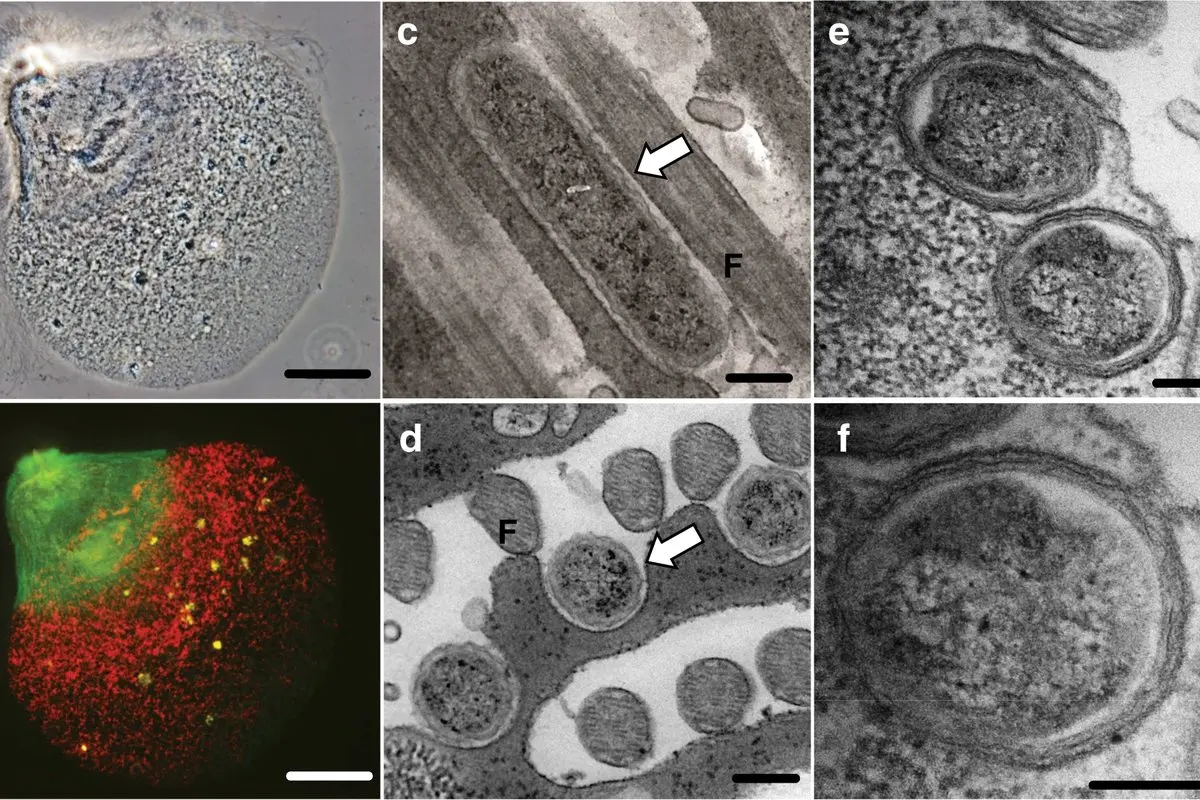
The "Spud" in SpudCell is an in-lab nickname. The cell is roughly potato-shaped under the microscope, a small oval blob with a faint internal glow from its fluorescent reporter proteins, nothing that looks remotely alive to the naked eye.
What SpudCell Is NOT
- [ ] A living organism (it cannot survive in the wild or reproduce without external ribosomes)
- [ ] Peer reviewed (preprint as of July 2026, under review)
- [ ] A risk to the environment (built-in fail-safes mean it cannot persist outside its controlled media)
- [ ] The end point (the team views it as a proof of concept, not a product)
Why It Matters: Three Big Implications
Origins of life. SpudCell shows that the core functions of life, eating, growing, copying, dividing, can emerge from pure chemistry with no biological ancestor. That pushes researchers closer to understanding how the first cells on Earth formed 3.8 billion years ago from a soup of molecules. Medicine and biotechnology. Synthetic cells could be programmed to produce drugs inside the body, capture carbon, or break down pollutants, with no risk of evolving into something dangerous because they cannot replicate without supplied ribosomes. Philosophy. The finding undermines the idea that life requires something beyond chemistry, what biologists half-jokingly call "the magical spark."