Russia Bombed Leipzig Airport. Germany Said So.
Drones found at or near Leipzig/Halle airport
3
Airport closure on the night of August 4
several hours
German domestic threat level
raised to "high"
Russian hybrid attacks tracked across Europe since 2022
200+
NATO allies backing Germany's findings
5
The First Time Berlin Ever Said It Was Russia
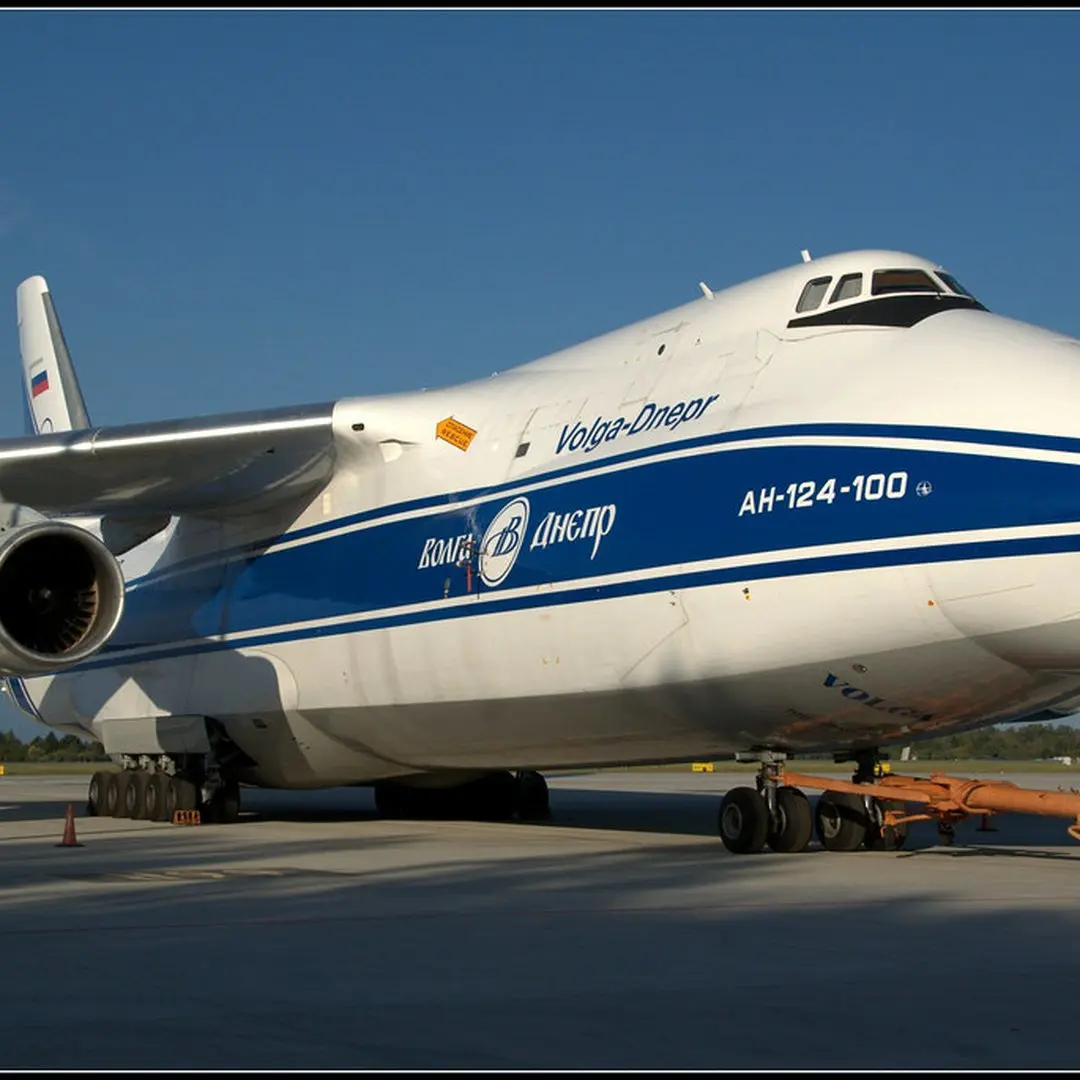
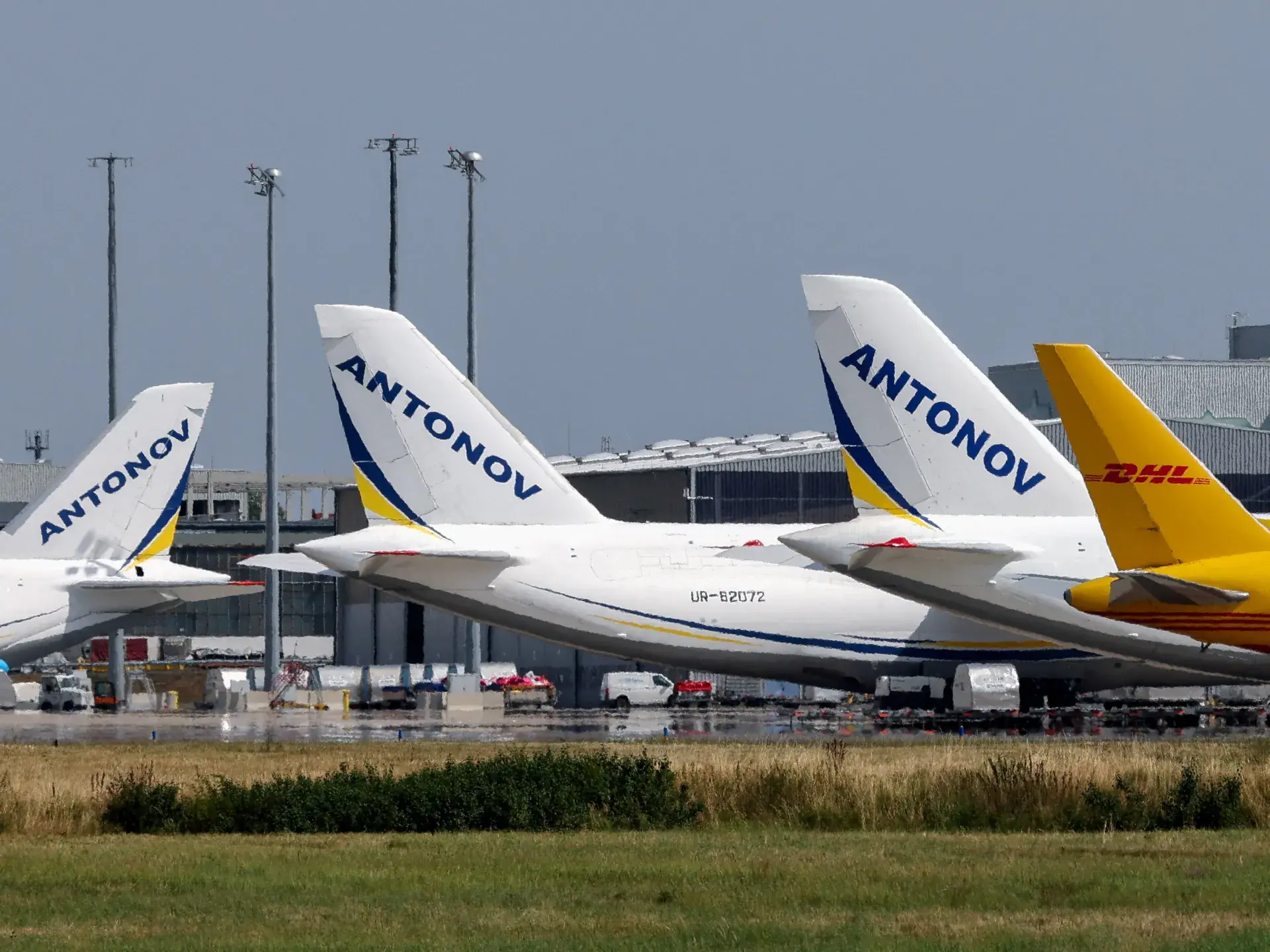
On the night of August 4, 2026, a small drone carrying military-grade explosives descended toward a Ukrainian Antonov An-124 cargo aircraft parked at Leipzig/Halle Airport in Saxony. A worker spotted it before it reached the plane. German police sent a robot to defuse the device, which had bounced off the aircraft wing without detonating. The airport closed for several hours. Two more similar drones were recovered at or near the site in the weeks that followed.
The Airport Russia Chose
Leipzig/Halle is not an ordinary freight hub. It hosts NATO's Strategic Airlift International Solution (SALIS) programme: a multinational arrangement that uses Ukrainian Antonov aircraft to move military cargo for alliance members. It is also a primary logistics node for arms shipments into Ukraine. Whoever sent the drone knew exactly what they were targeting. A month-long investigation by German authorities concluded in early September. On September 1, Germany formally blamed Russia. It is the first time Berlin has ever attributed an attack on its own soil to Moscow.
What the Investigation Found
German forensic teams recovered DNA from the drone that failed to detonate. A match in a European criminal database pointed to two suspects: one from Belarus and one from Lithuania, both also holding Russian passports, according to German media citing NDR, WDR, and Sueddeutsche Zeitung. Interior Minister Alexander Dobrindt said the configuration and components of the devices bore the hallmarks of technology seen in Russia's war in Ukraine. The perpetrators were acting "on behalf of Russian state entities," Dobrindt said, though he declined to specify which agency directed them.
200 Attacks. One Pattern.
The Associated Press had tracked roughly 200 sabotage incidents across Europe since Russia's full-scale invasion of Ukraine in 2022: arson at warehouses, rail disruption, incendiary devices at mail distribution centres. The same airport had seen a prior incident. In 2024, an incendiary device destroyed freight containers at Leipzig/Halle in what investigators then called arson. No formal attribution was made at the time. The 2026 investigation reviewed that case as part of the same pattern.
"Police investigations, the pattern of the act, and intelligence findings prove Russian responsibility for the attempted attack at Leipzig airport. Germany is a daily target of Russian hybrid operations.
"Alexander Dobrindt (German Interior Minister)
Germany's Response: Two Closures and a Raised Threat Level
Foreign Minister Johann Wadephul announced the response alongside Dobrindt. Russia's consulate general in Bonn will close on September 18. The Russian House for Science and Culture in Berlin will also lose its lease. Russian nationals face tightened entry controls, particularly those linked to hybrid operations. Wadephul said the closures reflected Russia's "deliberate" effort to damage bilateral relations. Russia's ambassador was summoned. European Commission President Ursula von der Leyen pledged "additional sanctions" with EU foreign ministers. NATO Secretary-General Mark Rutte backed Berlin's findings. Poland, Italy, the UK, Sweden, and the Czech Republic all expressed support.
Russia's Denial and What Comes Next
President Vladimir Putin called the accusations a "grave mistake" and claimed the evidence had been "planted," without offering any supporting information. Foreign Ministry spokeswoman Maria Zakharova called the claims "far-fetched and contrived." Moscow promised to mirror Germany's diplomatic moves. Within hours of Berlin's announcement, Poland reported arson at WB Electronics, Europe's largest drone manufacturer. The Leipzig attack targeted SALIS: the NATO programme that keeps Ukrainian supply lines running. The drone failed. The question European security officials are now pressing: how many of the 200 documented incidents had targets this specific, and how many remain unattributed.