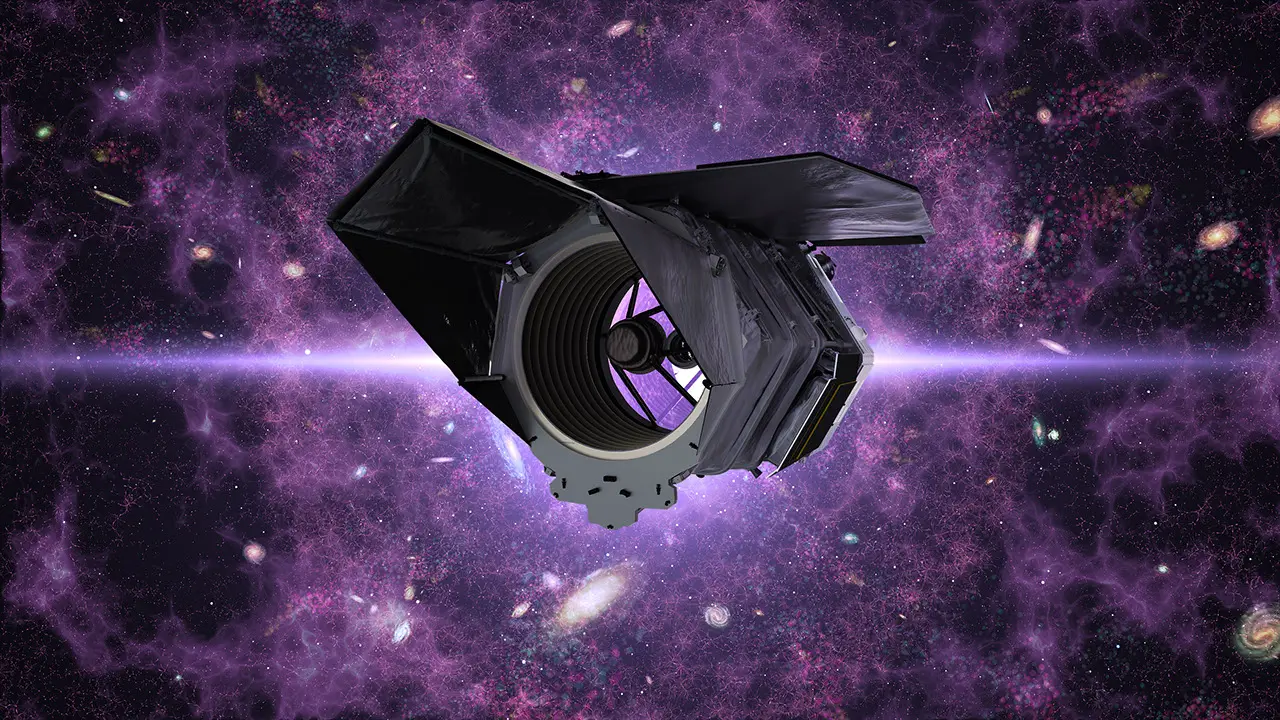
Roman Space Telescope: 100,000 Worlds
100,000 new worlds. In five years. From one telescope.
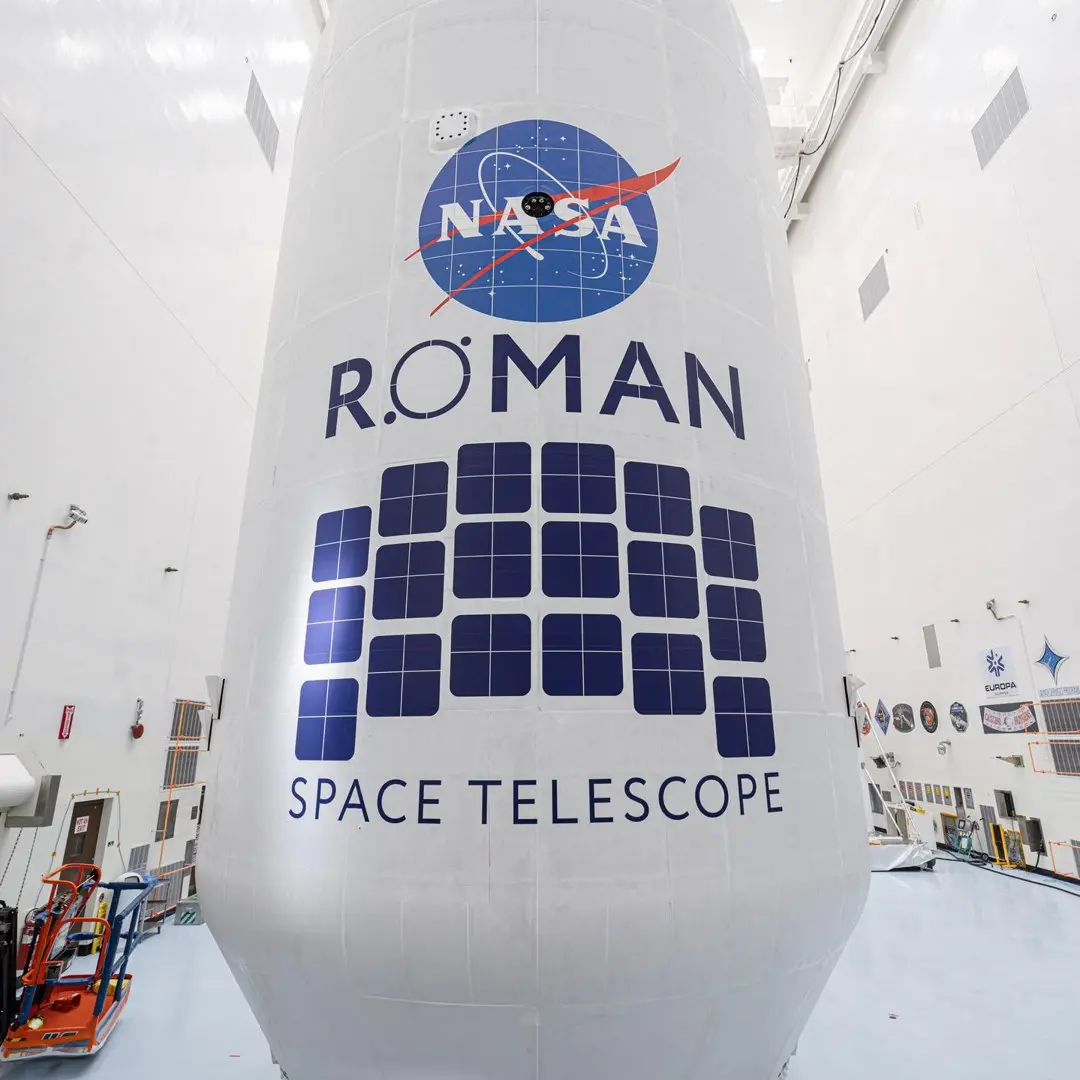
Every observatory humanity has ever built, from Galileo's spyglass to the James Webb Space Telescope, has confirmed roughly 6,270 exoplanets. The Nancy Grace Roman Space Telescope, launching Sunday August 30 at 7:26 AM Eastern on a SpaceX Falcon Heavy, is projected to find 100,000 more in a single five-year mission. That is not a modest improvement. It is an order-of-magnitude leap. The telescope is already inside the Falcon Heavy fairing at Kennedy Space Center, encapsulated on August 21. It is nine months ahead of its formal launch readiness date of May 2027, on a budget of $3.2 billion, a figure that looks almost quaint against the $10 billion that the James Webb Space Telescope ultimately cost.
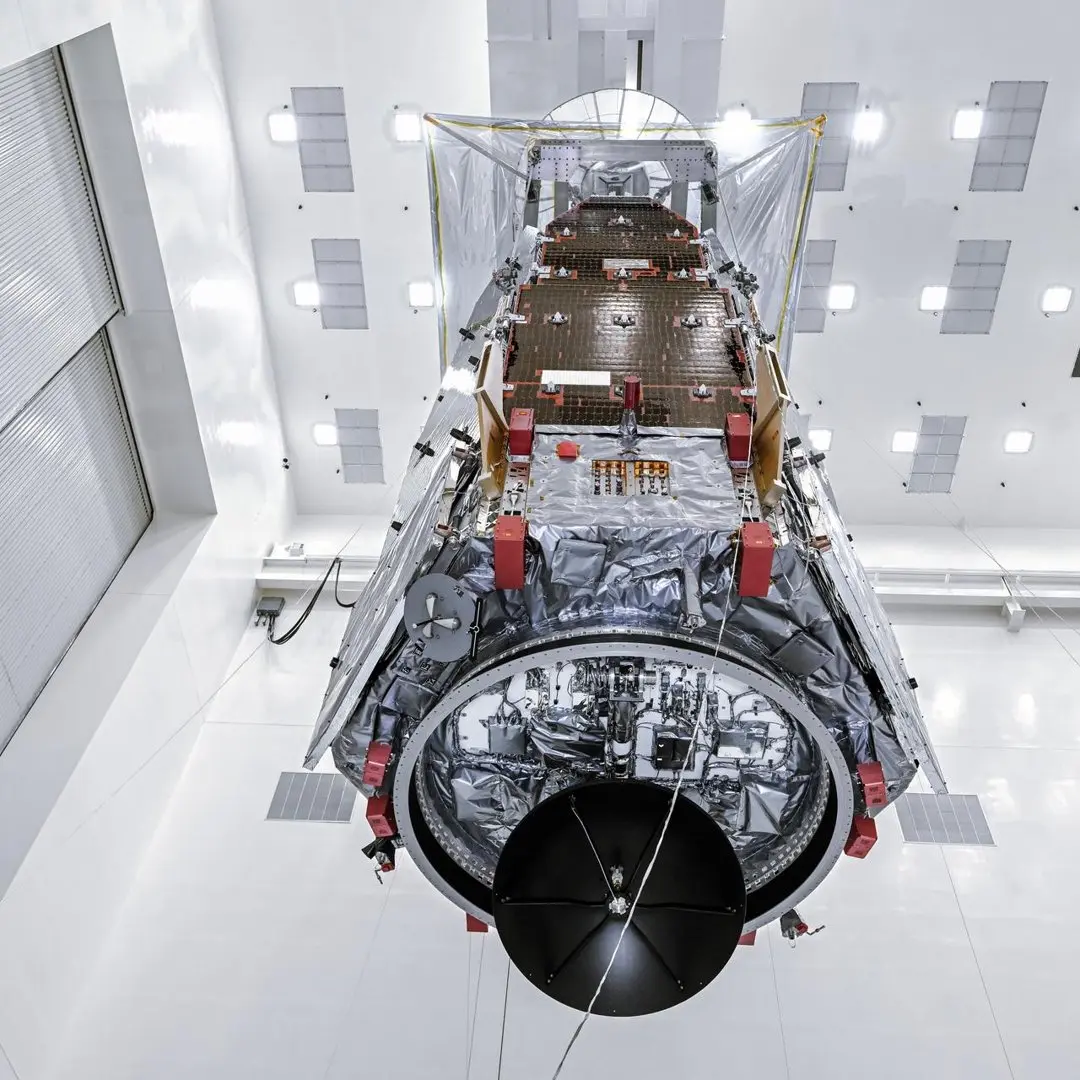
Roman has three science missions, and each one is genuinely unprecedented in scope.
The first is exoplanets. Kepler and TESS, the two great planet-hunters before Roman, found their targets by watching stars dim as planets crossed in front of them. Both were limited to stars relatively close to Earth and to planets orbiting close to their host stars. Roman will use gravitational microlensing, watching background stars briefly brighten when a planet bends their light, to reach the cold outer regions of planetary systems and into the dense galactic bulge where no prior mission has surveyed. The expected haul: 100,000 detections, with a plausible range of 60,000 to 200,000. To put that in context, TESS has confirmed 679 planets in its entire mission life. Roman expects to do roughly 150 times that. The second is dark energy. Roman will map the 3D distribution of roughly one billion galaxies across cosmic time, tracking how the universe's expansion has accelerated. No one knows what dark energy is. Roman will not answer that question, but it will constrain it more precise
Launch
August 30, 2026 at 7:26 AM EDT
Vehicle
SpaceX Falcon Heavy, KSC Launch Complex 39A
Orbit
Sun-Earth L2, 1 million miles from Earth
Camera
300 megapixels, 18 infrared detectors
Field of view
100x larger than Hubble's per shot
Exoplanets projected
up to 100,000 new detections
Galaxies to survey
approximately 1 billion
Data rate
1.4 terabytes per day
Budget
$3.2 billion (vs $10B for JWST)
Mission duration
5 years primary, 5-year extension possible
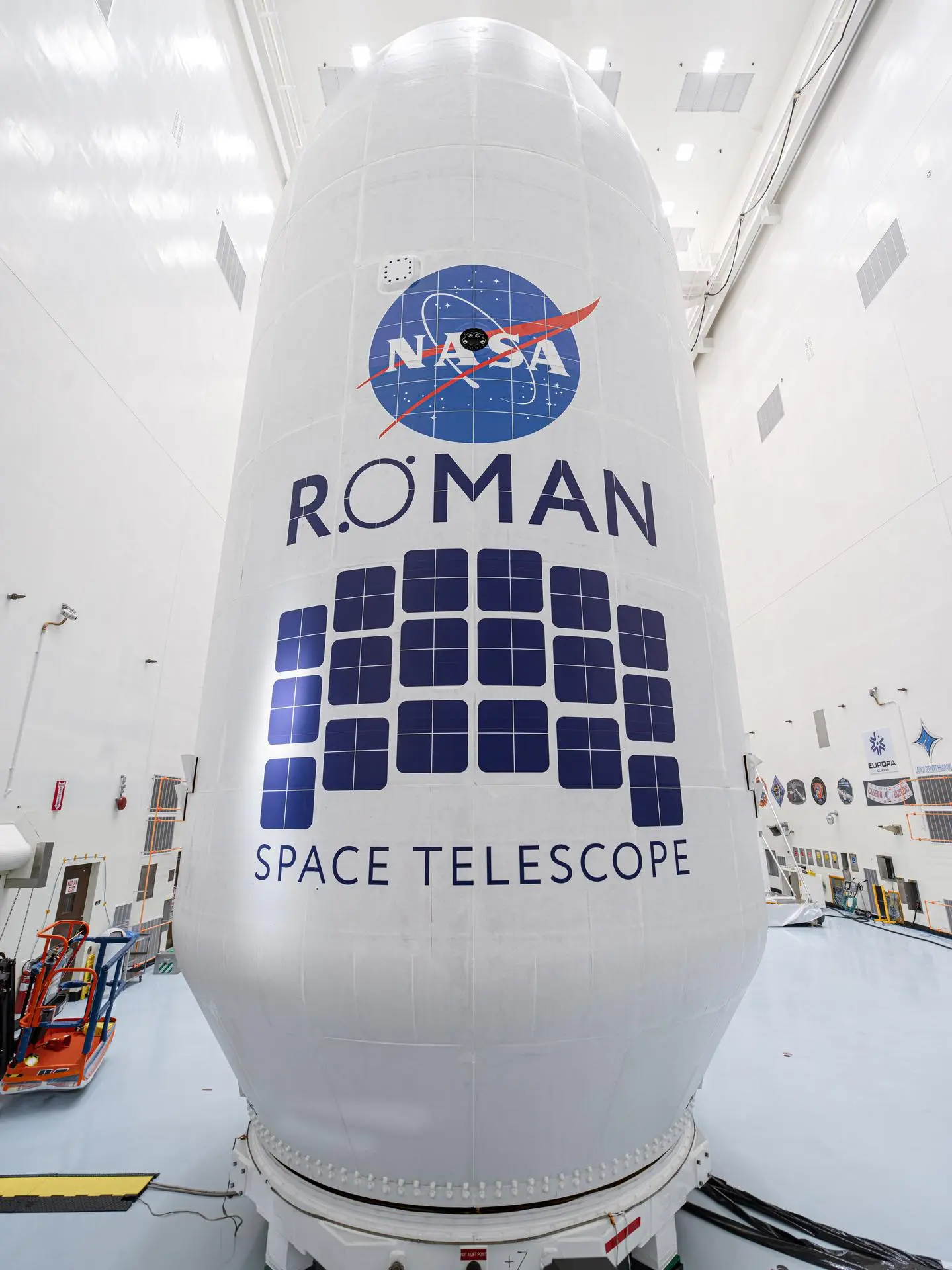
The budget story is worth pausing on.
Roman came in three times cheaper than JWST while offering a wildly different, complementary capability: where JWST stares deep at small patches of sky in extraordinary detail, Roman sweeps enormous areas fast. Shawn Domagal-Goldman, director of NASA's astrophysics division, said of the team's on-budget, ahead-of-schedule delivery: "Complex things are hard to bring in on schedule and on budget, and this team has lived within its resources and is delivering nine months early. That is an amazing feat." The telescope is named for Nancy Grace Roman, NASA's first chief astronomer, who fought in the 1960s to put Hubble on the agenda. She died in 2018 having never seen what her advocacy built. The plaque on the spacecraft carries a memory card with 1,350,144 names submitted by the public, including the Artemis II astronauts. Sunday's launch opens a five-year window that will reshape the planet-hunter's map, constrain the nature of dark energy, and determine whether direct imaging of alien w
"Complex things are hard to bring in on schedule and on budget, and this team has lived within its resources and is delivering nine months early. That is an amazing feat.
"Shawn Domagal-Goldman · NASA Astrophysics Division director