Perseids 2026: The Best Show in Years
Peak night
August 12 to 13, 2026 (new moon, perfectly dark skies)
Zenithal hourly rate at peak
50 to 100 meteors per hour
Entry speed
59 km per second (37 miles per second)
Active window
July 17 to August 24 (active for 5 weeks)
Parent comet
Swift-Tuttle, nucleus 26 km wide, orbits every 133 years
Radiant constellation
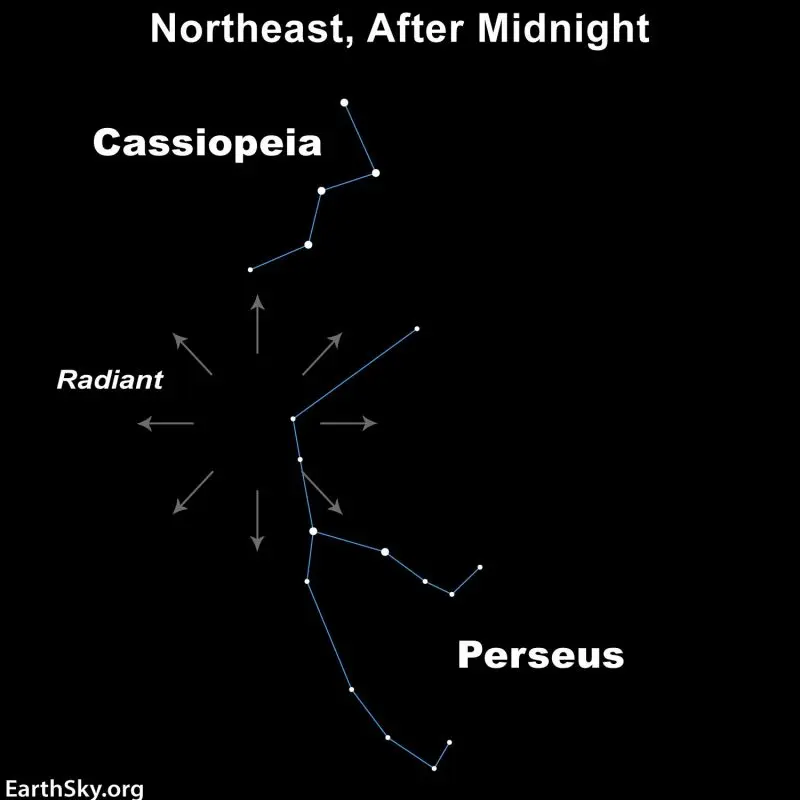
Perseus the Hero (northern sky, rises late evening)
Years since ideal new-moon peak
2016 (a decade of moonlit peaks in between)
What You Are Actually Watching
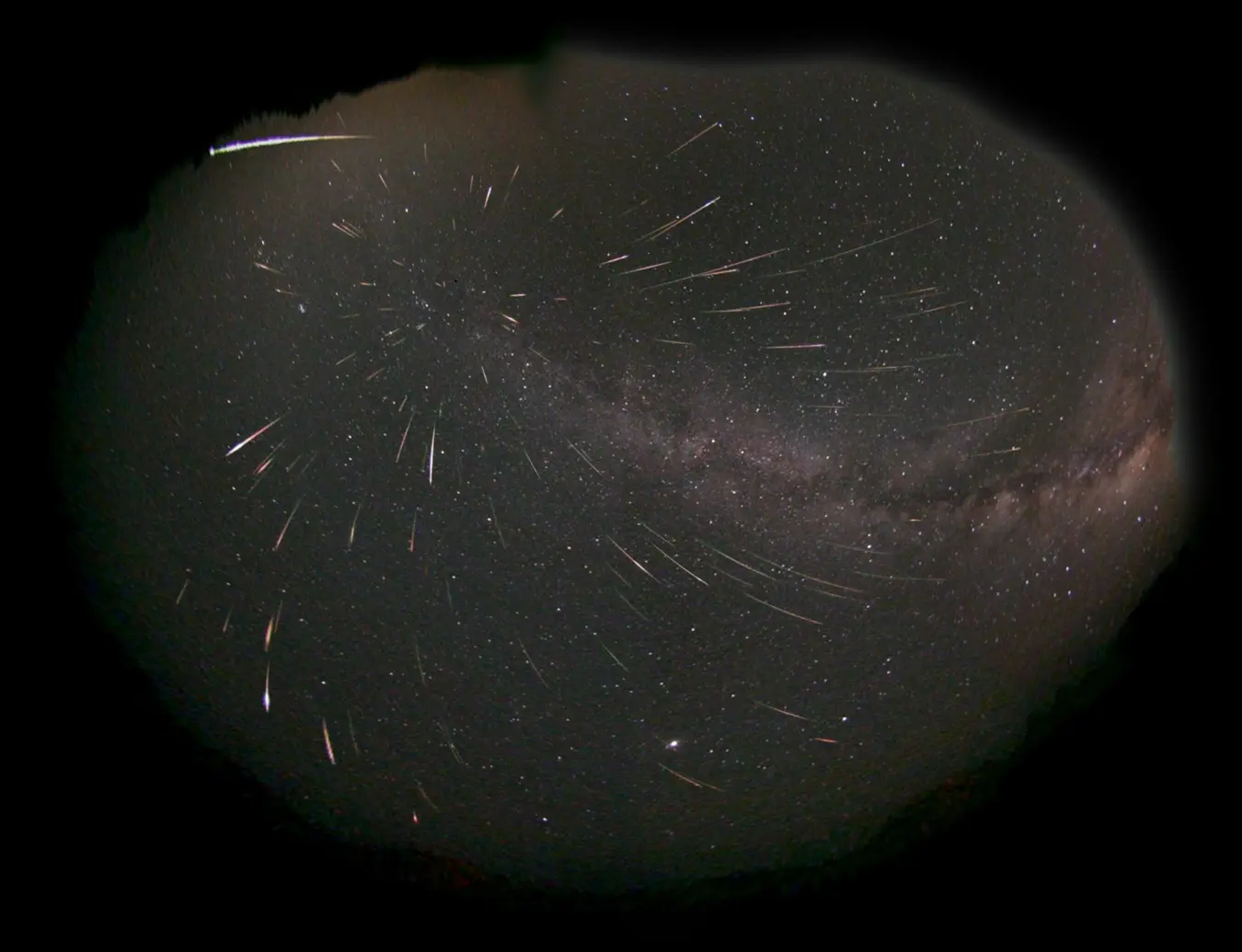
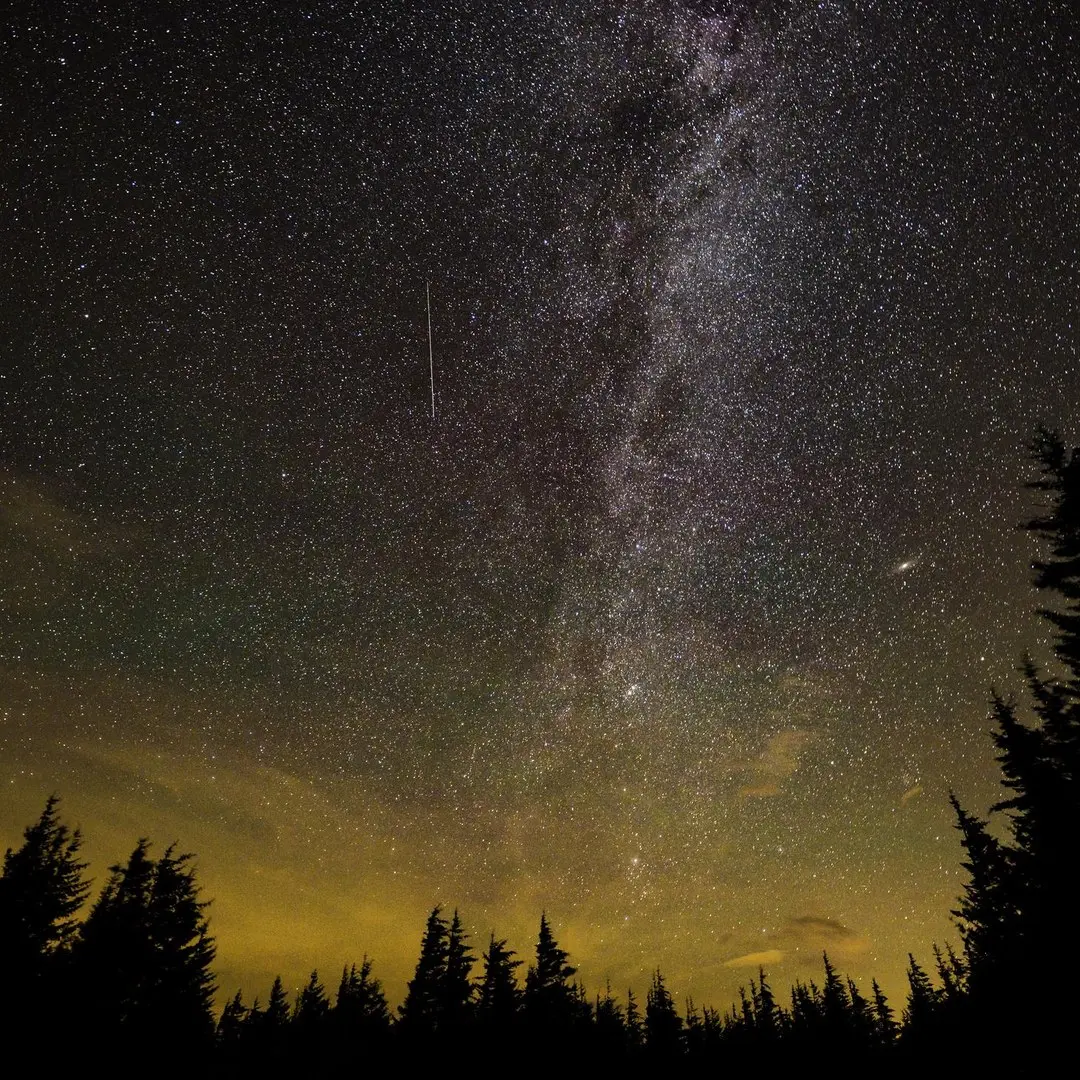
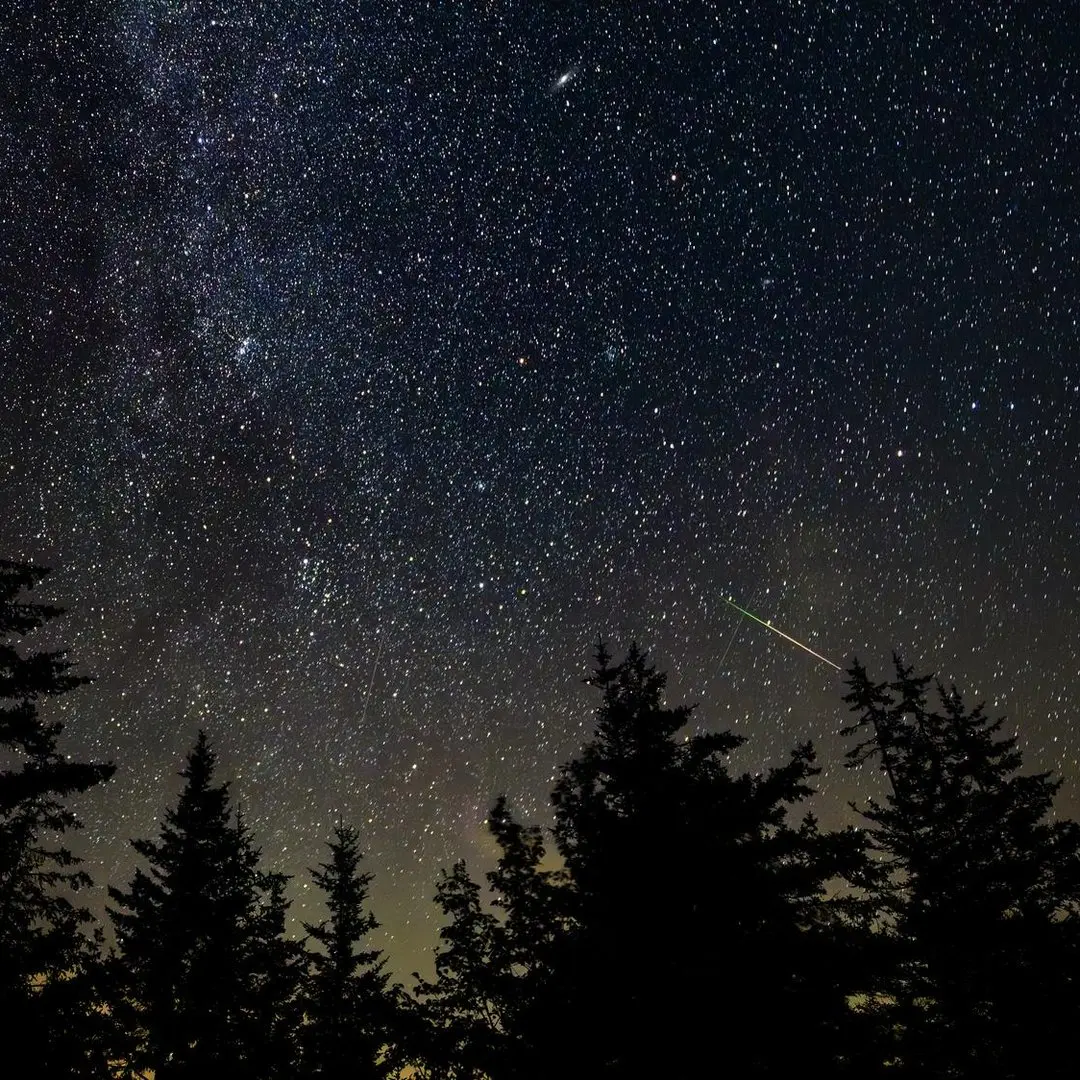
Every August, Earth's orbit carries it through a vast river of debris left by Comet Swift-Tuttle. The comet itself is long gone, last visiting in 1992 and not due back until 2126. But its trail of ice fragments and rocky grit persists along the orbital path, spread thin over millions of kilometres. When each piece hits our atmosphere at 59 km per second, friction heats it to over 1,600 degrees Celsius in under a second. It does not reach the ground. It vaporises completely, leaving a glowing ionised channel that we see as a streak of light. The Perseids are unusually rich in fireballs, the very bright meteors that can outshine Venus and sometimes leave a glowing trail that drifts across the sky for several seconds after the main streak fades. This year the peak falls precisely on the new moon, so there is no moonlight at all after sunset. That has not happened since 2016.
How to Watch the Perseids Tonight
- Pick your spot before dark. Find open sky away from city lights, facing roughly north. Let your eyes adapt for at least 20 minutes before you expect to see anything.
- Lie flat on your back and look up, not directly at Perseus. Meteors near the radiant are short. The longest streaks appear 45 to 90 degrees away from it.
- Midnight to 4 AM local time is the prime window on August 12 and 13. Earth rotates into the debris stream after midnight, roughly doubling the hourly rate.
- No equipment needed. Binoculars and telescopes narrow your field of view and will make you miss more than you see. Naked eyes only.
- Dress warmer than you expect. Lying still on the ground for two hours gets cold fast. Bring a mat, a blanket, and a red-light torch to preserve night vision.
- Clouded out? NASA and EarthSky stream live coverage. Search 'Perseid live 2026' on YouTube for feeds from dark-sky observatories worldwide.
2026 is genuinely special. The Perseid peak and the new moon fall on the same night for the first time in a decade. Add the fact that the Sun is near solar maximum, which amplifies fireball frequency, and forecasters at the International Meteor Organisation rate this as one of the top five Perseid windows of the past 20 years.
"The Perseids almost always put on a good show, but when the peak falls on a new moon you can see two or three times more meteors than in a moonlit year. This is one of those years. Go outside.
"NASA Meteoroid Environment Office