Pasta Shapes: Which Sauce for Which Shape
The one rule that explains every pairing
The sauce must cling to the pasta, not pool at the bottom of the bowl. Light and liquid sauces need a thin or flat surface to coat. Chunky and hearty sauces need ridges, tubes, or twists to grip onto. Creamy sauces fall between the two: they want a surface rough enough to hold them but not so porous they disappear. Once you have that rule in your head, every pairing below follows from it automatically.
Long pasta shapes
These are the shapes you cook most often. Each pairing below is the Italian convention, refined over centuries by the people who invented the dish.
Capellini (angel hair)
Butter, lemon, very light tomato. Too thin for anything heavier.
Spaghetti
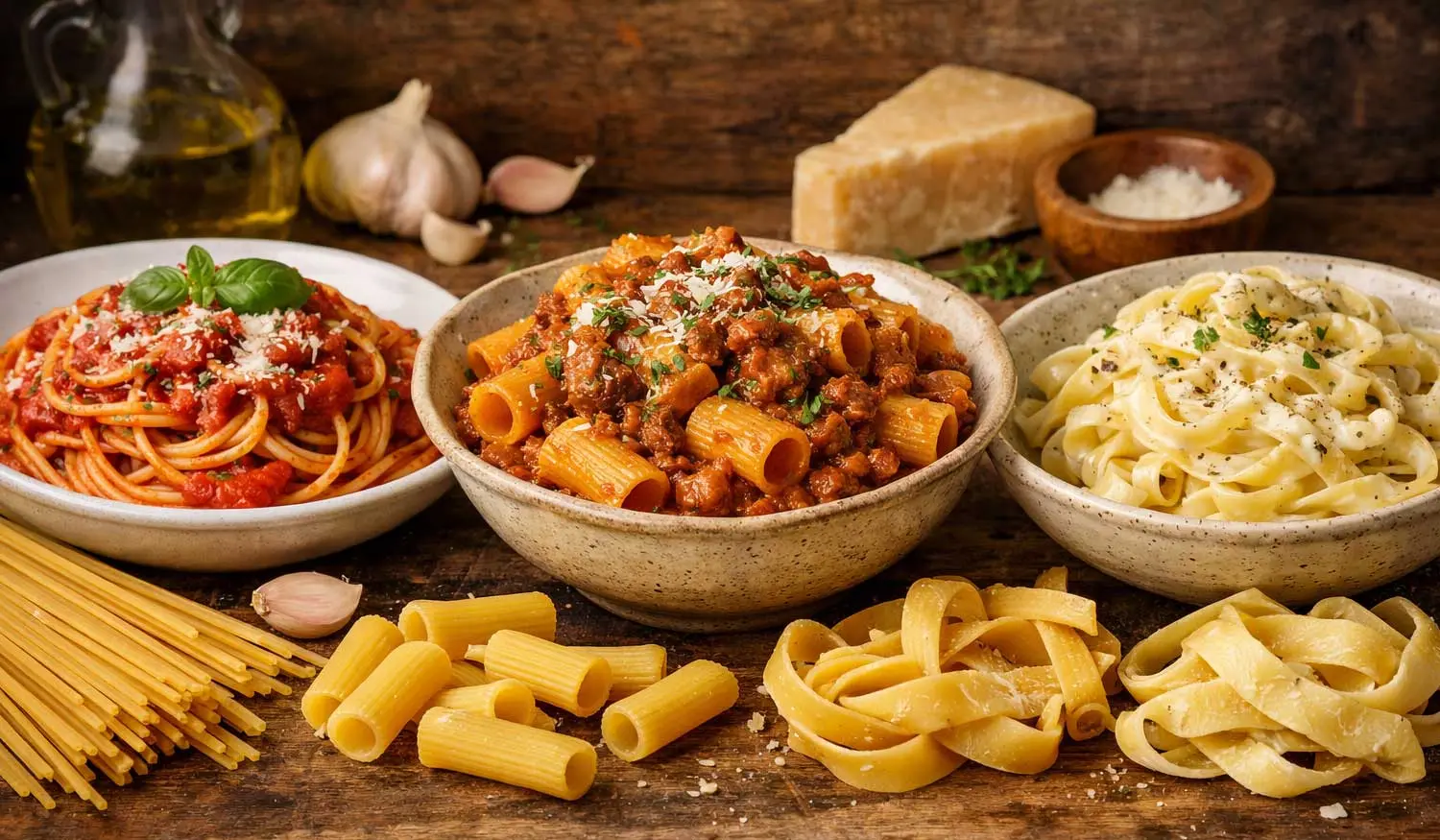
Carbonara, cacio e pepe, amatriciana, aglio e olio or marinara.
Linguine
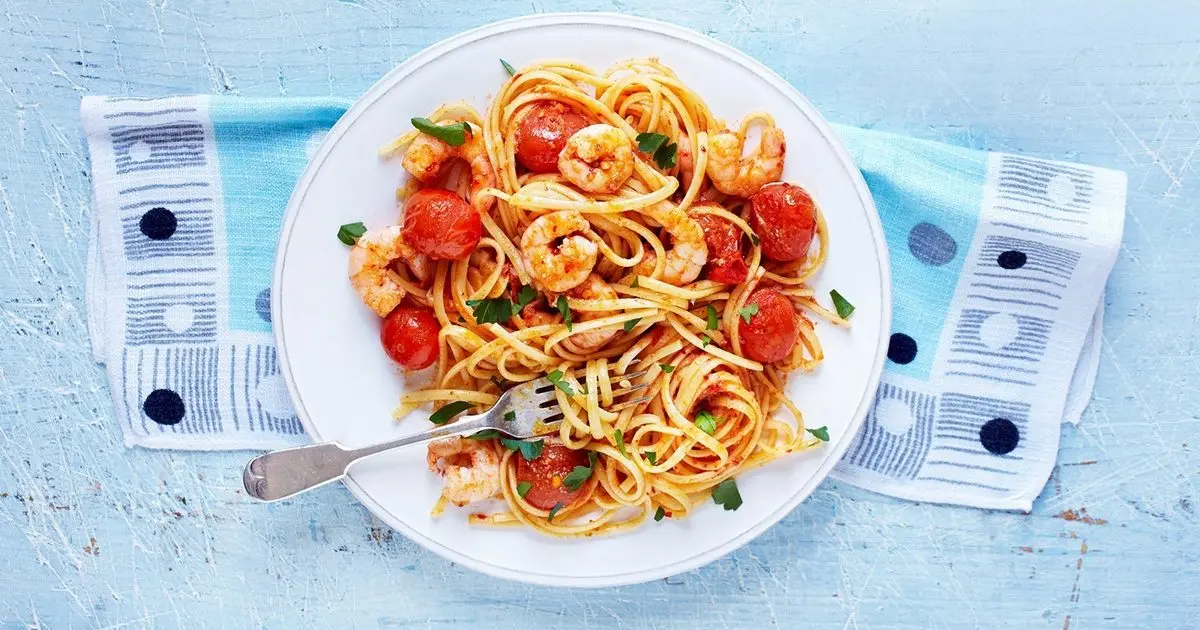
Clam sauce (vongole), pesto, seafood. Oval section holds oil-based sauces.
Fettuccine
Alfredo, mushroom cream. The widest flat ribbon needs the richest cream.
Tagliatelle
Bolognese. The Bolognese Academy mandates tagliatelle, not spaghetti.
Pappardelle
Wild boar or duck ragu. Widest ribbon, chunkiest slow-cooked sauce.
Bucatini
Amatriciana. The hollow centre fills with sauce on every bite.
Short and shaped pasta
Short shapes earn their place by trapping sauce. The more surface area and crevices, the better they hold a chunky or creamy sauce in each forkful.
Penne rigate
Arrabbiata, vodka sauce, any tomato with chunks. Ridges do the work.
Rigatoni
Bolognese, sausage ragu, robust tomato. Wider tube holds bigger chunks.
Fusilli
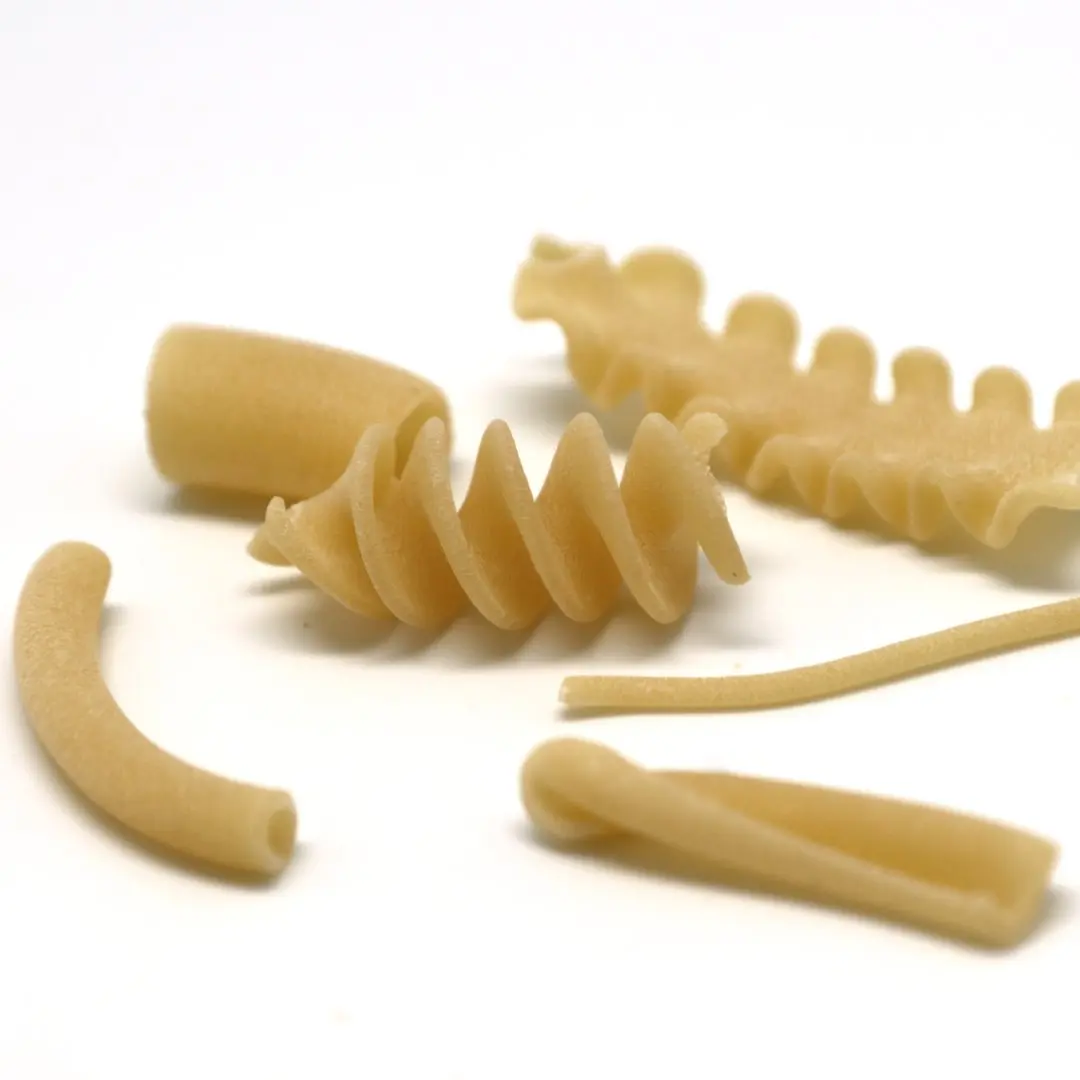
Pesto, chunky tomato, any sauce you want captured in the spirals.
Farfalle
Light cream, salmon, or spring vegetable sauces. Delicate shape, light sauce.
Conchiglie
Meat sauce or thick tomato. Shell shape scoops sauce on every forkful.
Orzo
Soups, broths, or baked with light cream. Too small for a thick coating sauce.
Orecchiette
Broccoli rabe with anchovy or sausage crumbles. The cup holds toppings.
Stuffed pasta (ravioli, tortellini, mezzelune) is its own category. The filling is the flavour, so the sauce should step back: a simple sage brown butter, a light tomato, or a clear broth. A heavy meat sauce competes with the inside and wins for the wrong reasons.
The most common mistake is cooking spaghetti with bolognese. The sauce is too heavy and chunky for a thin round strand to hold. It slides off and pools. Use tagliatelle or rigatoni instead and the same sauce tastes twice as good.