NASA Moon Base 2026: The $590M Commercial Bet
July 2026. NASA quietly signed three contracts.
Total contract value
$590 million across 3 companies
Companies selected
Astrobotic, Firefly Aerospace, Intuitive Machines
Missions funded
4 lunar surface landings, all in 2028
Astrobotic award
$297.9 million (two missions, largest single award)
Firefly award
$144.2 million (one mission)
Intuitive Machines award
$148.3 million (one mission)
Annual cadence goal
10 robotic Moon landings per year from 2027
17commercial lunar deliveries now locked in under CLPS
What the four 2028 missions will do
- Every lander carries the same three instruments: a Laser Retroreflector Array for precision navigation, a dust sensor to study landing plumes, and a radiation mapper.
- The Laser Retroreflector Array is a passive cookie-sized dome of quartz prisms. It reflects laser beams from orbiters to fix their position. No power needed, ever.
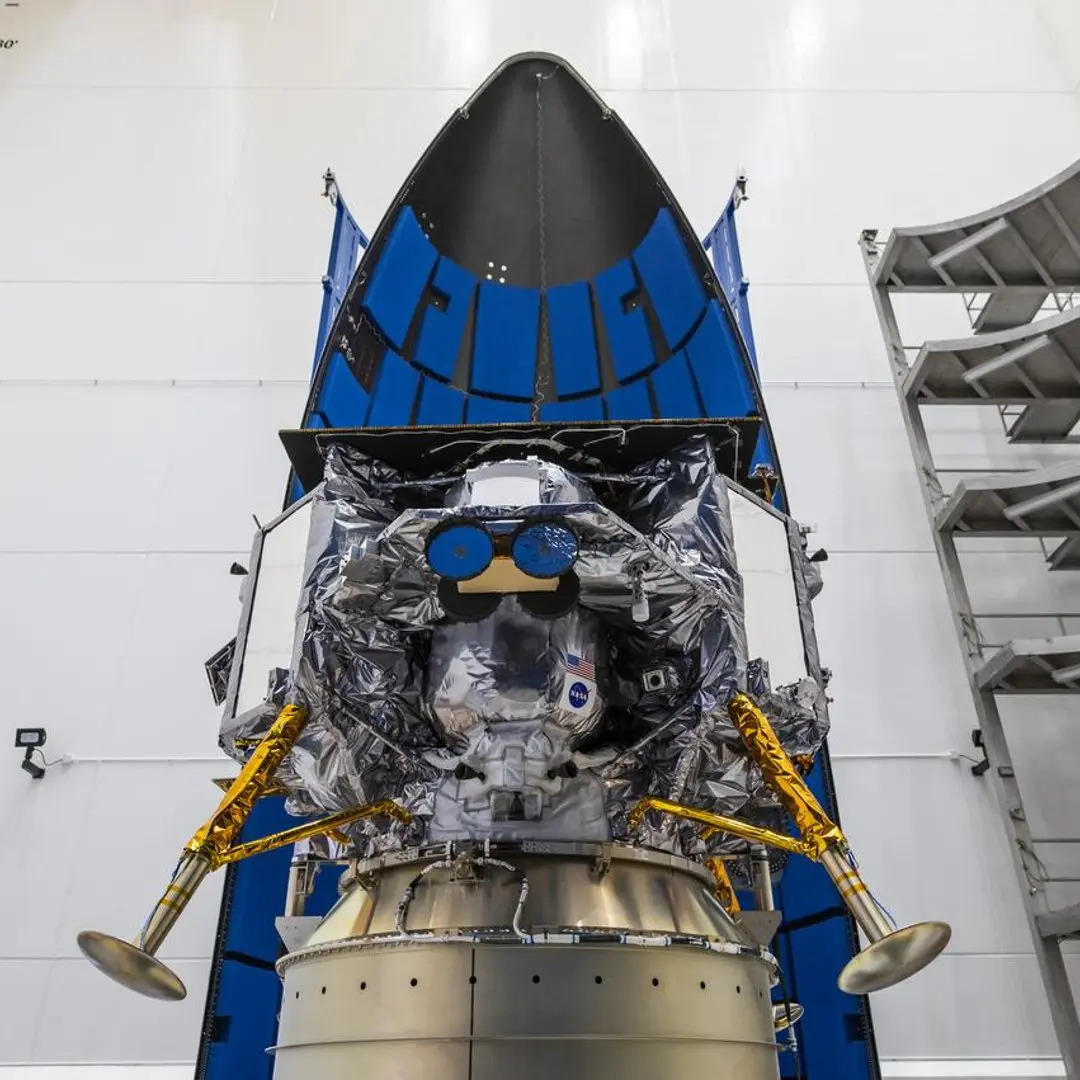
- Astrobotic's two missions will use updated Peregrine landers, the same design that attempted the first US soft landing in 50 years in January 2024.
- Firefly's Griffin lander previously carried a NASA MAPP rover in 2025 and has a larger payload bay than Peregrine, suited to heavier science packages.
- Intuitive Machines will use a variant of the Odysseus lander that made the first US commercial soft landing on the Moon, near the south pole, in February 2024.
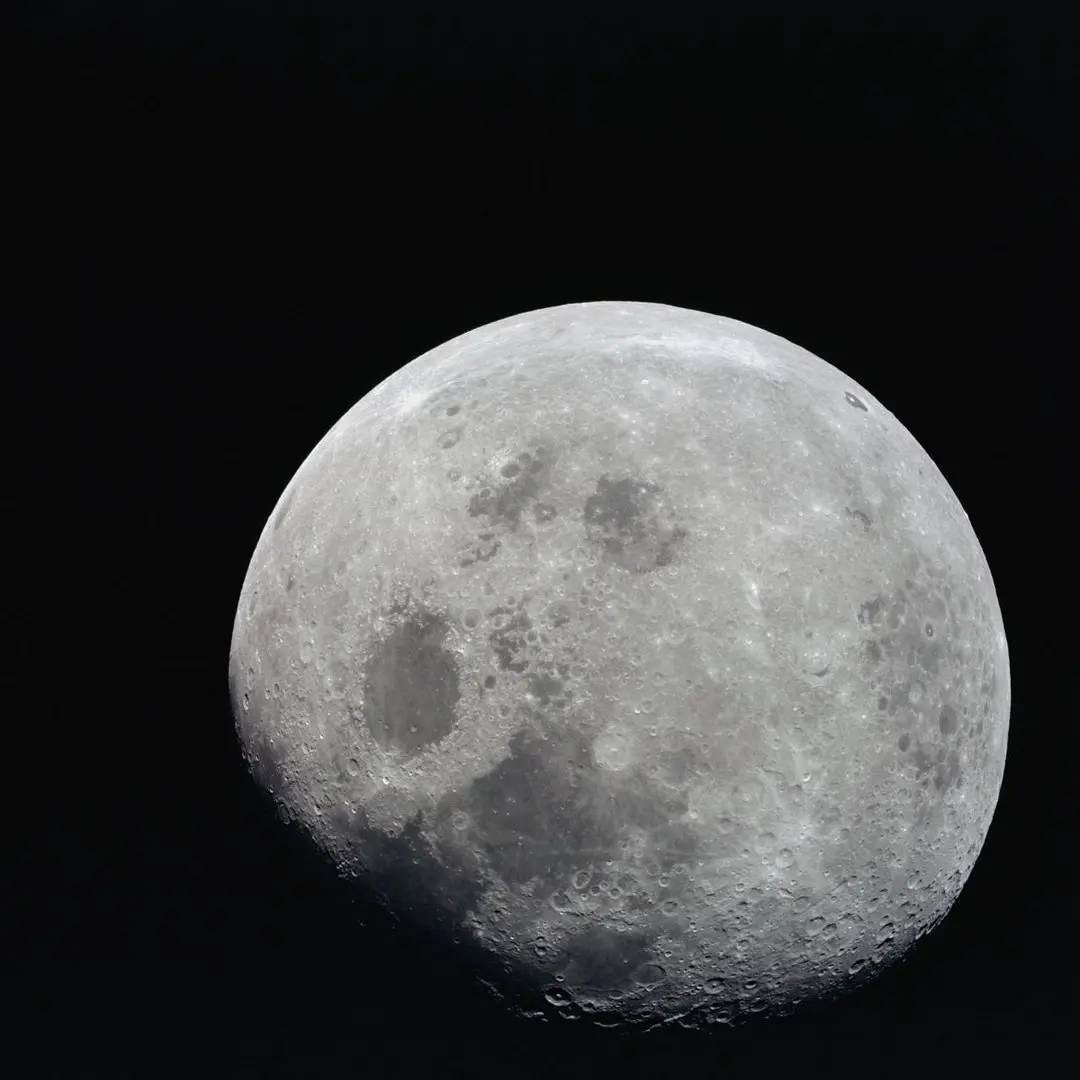
- All four landers target the south polar region, where water ice in permanently shadowed craters could supply future crews with oxygen, water and rocket fuel.
Why the South Pole
All four 2028 missions are targeting the lunar south polar region, a strip of terrain unlike anywhere else in the solar system. Craters like Shackleton and Nobile are permanently shadowed: sunlight never reaches their floors. Temperatures sit at minus 170 Celsius year-round, and water ice deposited there billions of years ago has never evaporated. NASA's LCROSS impactor confirmed water in 2009. SOFIA confirmed it on sunlit slopes in 2020. The ice is real. Future crews could split it into hydrogen and oxygen for rocket fuel and breathable air. That is why every mission goes south.
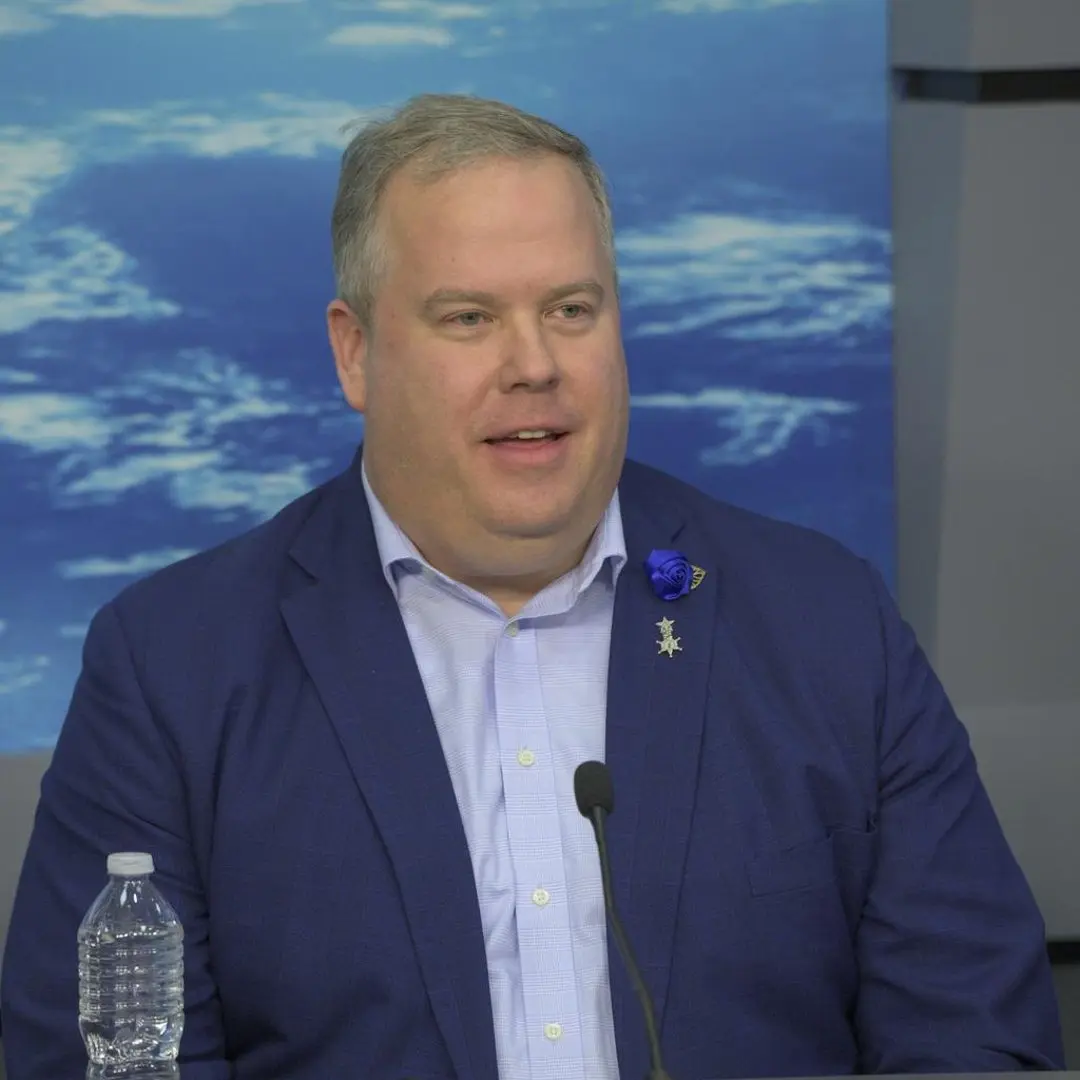
"These new awards demonstrate our commitment to accelerating our effort to build a long-term presence on the lunar surface.
"Lori Glaze · NASA Human Spaceflight Mission Directorate · July 2026
One bonus in the contract announcement: NASA is considering repurposing PROMISE, an engineering development model of a Mars rover, and sending it to the Moon. It would be the first Mars-designed rover to operate on the lunar surface. No commitment yet, but the option is on the table.
Each Laser Retroreflector Array lander places will gradually form a network of permanent location markers on the Moon, the same way GPS ground stations work on Earth. Once enough are placed, future landers and rovers can fix their position to within centimetres without relying on Earth-based tracking at all.