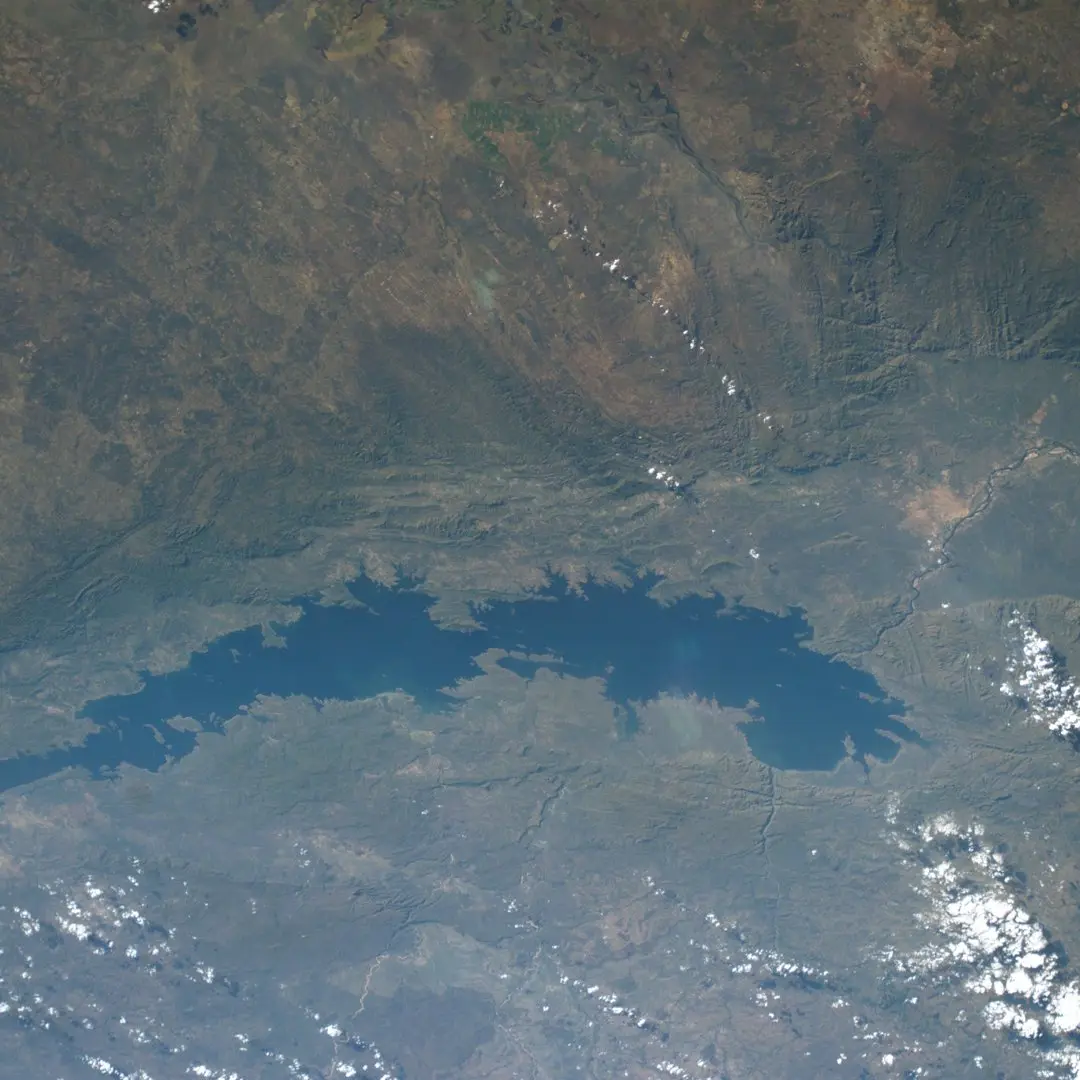
Lake Kariba 2026: Zimbabwe's Deadliest Ferry Disas
Capacity
90 passengers
Aboard (est.)
up to 153 passengers and crew
Deaths confirmed
97
Rescued
77
Children killed
at least 18
Age of vessel
41 years (built 1985, Denmark)
Last inspection
June 17, 2026 (7 weeks before sinking)
Certified Seven Weeks Before It Sank
On August 11, 2026, the passenger ferry *Mbuya Nehanda* capsized on Lake Kariba in northern Zimbabwe, killing at least 97 people. It is the deadliest transport accident in the country's history, and the deadliest boat disaster on Lake Kariba since the reservoir was filled in 1963. The ferry was a 41-year-old vessel, one of three built at Struer Shipyard in Denmark and shipped to Zimbabwe in 1985. It had been inspected and issued a certificate of survey on June 17, 2026 (certificate number 183254), just seven weeks before it went under. It was authorised to carry 90 passengers. It was carrying at least 114 adults, five crew members, and an unspecified number of children below ticketing age. Some reports put the total at 153. The ferry left Kariba town for the rural community of Chalala, a route with no road alternative worth speaking of. A safety warning advising boats not to sail because of dangerous waves was in force. Passengers asked the crew to turn back. The request was refused.
"When the boat capsized, most of the people scrambled to get the life jackets but most of them did not even know how to use them. Our relatives were swept in another direction and they sank because we were not in a position to help them.
"Chance Siyamavhu
What the state already knew. Five years before the disaster, the Office of the President and Cabinet had acknowledged persistent breakdowns in the ageing Lake Kariba ferry fleet and announced plans for refurbishment. Those plans did not produce a newer boat. The *Mbuya Nehanda* was still sailing in 2026 with one working engine. Travel by boat is the only practical link between Kariba town and the Chalala communities: roads are poor or non-existent. The people who depend on this route had no othe
"This tragedy exposed serious deficiencies that needed to be addressed immediately.
"President Emmerson Mnangagwa