Iran at Day 204: The War That Would Not End
$102 Oil, Day 204, No Deal in Sight
On February 28, 2026, the United States and Israel launched airstrikes on Iran. Supreme Leader Ali Khamenei was killed in the opening strike. President Trump told reporters the campaign would last "four to five weeks." Today is day 204. Brent crude, which traded at $65 a barrel the week before the war began, hit a peak of $140 in late March when Iran closed the Strait of Hormuz entirely. It fell back to around $70 during a brief ceasefire in July, then rose again as talks collapsed. As of September 18, it trades at $102.41. Goldman Sachs forecasts a slow retreat to $85 by year-end; Rystad Energy warns the $140 peak may return. The gap between those two forecasts is the entire diplomatic question: does a deal happen or not?
The Largest Oil Supply Shock in History
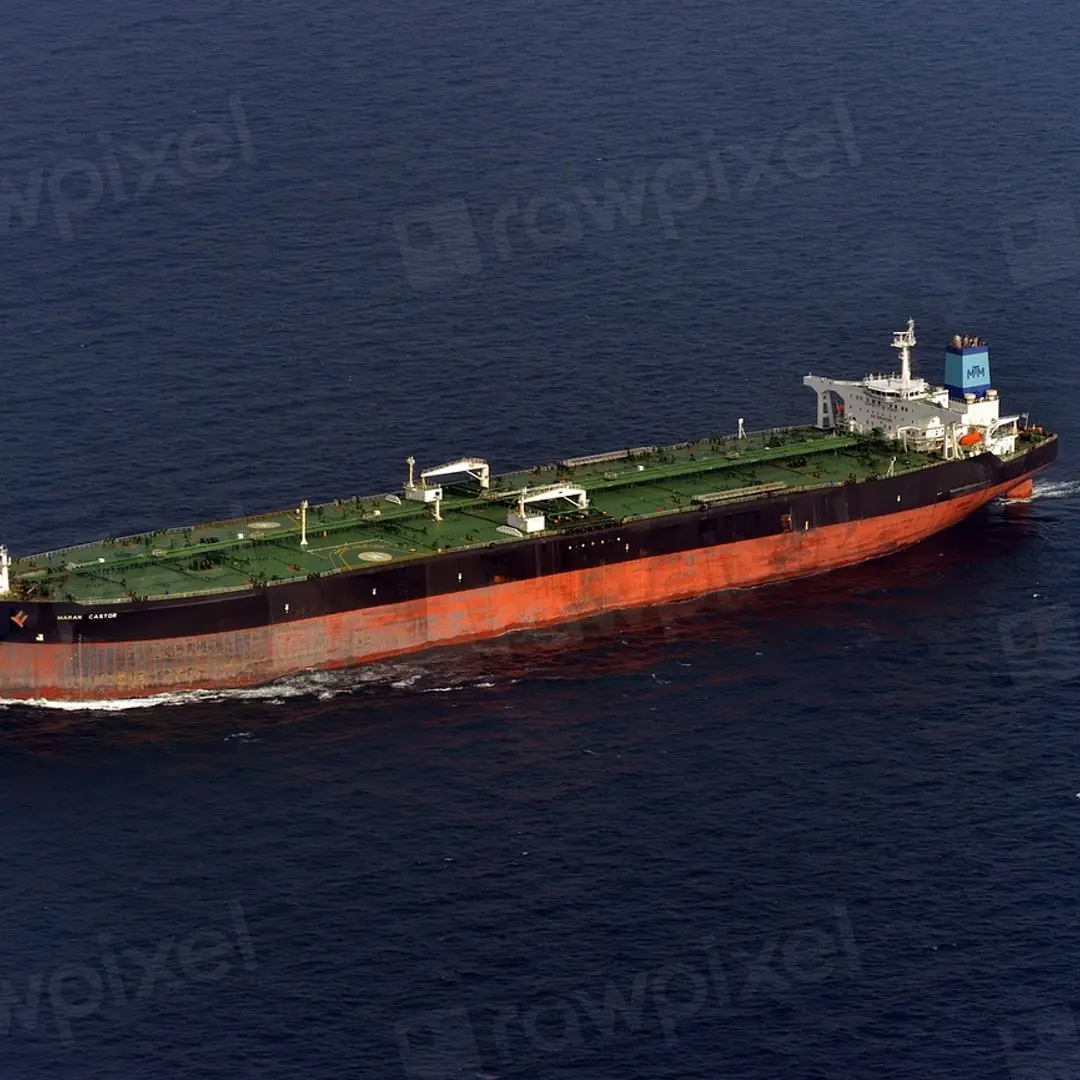
The International Energy Agency classified the Hormuz shutdown as the largest supply disruption in the history of the global oil market. Under normal conditions, nearly 20 million barrels of crude transit the strait each day, plus around 20% of the world's liquefied natural gas. At the peak of the blockade, vessel traffic collapsed from over 100 ships a day to just five. War-risk insurance premiums for any vessel that did attempt to cross reached 10% of hull value, translating to as much as $21 million per voyage. The IEA triggered its largest-ever coordinated emergency stock release: 400 million barrels from member countries, ordered on March 21.

Brent crude pre-war (Feb 2026)
$65/bbl
Brent crude at Hormuz closure peak
$140/bbl
Brent crude September 18, 2026
$102/bbl
Ships/day through Hormuz pre-war
100+
Ships/day at peak blockade
5
IEA emergency stock release
400 million barrels
US war cost to government
$38 billion
US military killed in action
18
Iranian military deaths (est.)
1,221+
Iranian food inflation year-on-year
127.5%
Iranian rial vs dollar (decline)
down 44% in 6 months
US diesel price (record high)
$6 per gallon
The Ceasefire That Lasted 21 Days
The war has not been a continuous exchange of fire. By April 8, Pakistan brokered a two-week halt hours before Trump threatened to destroy Iran's bridges and power plants. The two sides met in Islamabad on April 11 and 12 in the most senior diplomatic contact between Washington and Tehran since 1979. Trump said afterward: "Most points were agreed to, but the only point that mattered, NUCLEAR, was not." He then announced a naval blockade on Iranian shipping. On June 17, Trump and Iranian President Masoud Pezeshkian signed remotely the Islamabad Memorandum: a 60-day ceasefire, a Hormuz reopening, and indirect nuclear talks in Geneva. Qatar said Doha rounds produced "positive progress." The accord lasted 21 days. On July 8, Iran seized three commercial vessels to assert sovereignty over the strait. US strikes resumed. Trump told reporters the memorandum was "over."
Why the Strait Remains the Sticking Point
The July relapse traced back to one clause. Iran insists any settlement must include a new governance regime for the Strait of Hormuz, including transit charges. Oman, which co-manages the strait, refuses tolls. The US calls any fee system unacceptable. On that single point, the war continues. Iran's national security adviser put it plainly: "No talks until Iran's conditions are met. Period."
"Hopefully we're toward the end of the war. They want to make a deal. We'll see how that works out.
"Donald Trump at the White House on September 16 2026
A Fire Pause on Day 10
As of September 18, a fire pause was in its tenth consecutive day: no Iranian ballistic missile or drone strikes on host states, no US strikes on Iranian territory. Iranian air defenses have been degraded to roughly 90% of pre-war capacity, unchanged since March. Of the US military's 2,330 Patriot interceptors available at the start of the war, fewer than 830 remain. Iran's domestic situation has deteriorated sharply. The rial trades at 2.31 million to the dollar, down 44% in six months. Food inflation is running at 127.5% per year. The national carrier has suspended routes to Turkey and Georgia. Iran's crude oil loadings are down 85% from pre-war levels, removing the revenue the government relied on while the cost of living rises at a rate not seen since the early 1990s.

What Ends This, and When
Trump has said the war will end "after the election" (the November 3 midterms), suggesting a timeline of late November at earliest. Vice President Vance said the war is entering "a different phase in the coming months," a phrase that implies continued hostilities. Meanwhile 68% of Americans disapprove of Trump's handling of the conflict, and US diesel at a record $6 per gallon is testing the political tolerance of a midterm electorate that already blamed inflation on the previous administration. At the Asia Pacific Petroleum Conference in Singapore this month, delegates reached a blunt consensus: the standoff persists until the end of Trump's current term. Oil markets are pricing it accordingly. Seven months in. $102 oil. Eighteen American dead. A fire pause holding on day ten. No agreed text for what peace would look like.