Interrail Pass or Point-to-Point: 2026 Pick
The Hidden Variable Is the Reservation Fee
Every Interrail pass comparison starts with the wrong number. It starts with the pass price alone, then compares that to the cost of booking every train individually. That comparison misses the charge that quietly decides the outcome: mandatory seat reservations. On high-speed routes across France, Italy and Spain, passholders must pay a per-train reservation fee on top of the pass itself. Those fees run from 10 euros on a domestic TGV to 35 euros for Eurostar. A seven-day pass through Paris, Rome and Madrid can carry 80 to 120 euros in reservation costs that never appear in the headline price. Get that number right and the calculation becomes honest. On 9 September 2026, the Eurail brand was retired. Both the Eurail pass for non-European residents and the Interrail pass for European residents are now sold under one name: Interrail. The product, coverage and app are unchanged. All 33 countries and 40,000 destinations remain in the network. As of October 2026.

4 travel days in 1 month (adult, 2nd class)
EUR 283
5 travel days in 1 month
EUR 318
7 travel days in 1 month
EUR 381
10 travel days in 2 months
EUR 447
1 month continuous
EUR 696
Youth (ages 12 to 27): roughly 25 to 30 percent less
see interrail.com
What Counts as a Travel Day
A flexi pass gives you a set number of travel days within a validity window. A travel day runs midnight to midnight local time. Every train you board that calendar day counts as one day used. If you board a night train before midnight that arrives after midnight, you use only one travel day. The Nightjet and European Sleeper let you activate the next day's allowance at boarding so you can arrive in the morning without burning an extra day. Continuous passes cover every calendar day without counting. They suit anyone building a long trip with daily movement between cities.
Reservation Fees: Germany Is Free, France and Italy Cost Extra
The most important thing to know before buying a pass is which countries charge mandatory reservation fees. Germany, Austria, Switzerland, the Benelux, Denmark and most of Central and Eastern Europe charge nothing or up to 6 euros per train. Passholders simply board. France, Italy and Spain charge 6 to 35 euros per high-speed service, and the reservation is not optional. You cannot board without one. Germany is the pass's strongest country. The entire German rail network carries no mandatory reservation fee, and ICE trains connect major cities frequently. A week through Germany, Austria and Switzerland is where a pass earns back its cost most reliably.
Germany, Austria, Switzerland, Benelux, Central and Eastern Europe
No fee or up to EUR 6
Frecciarossa and Frecciargento domestic (Italy)
EUR 13 per leg
AVE and long-distance trains (Spain)
EUR 6 to EUR 13
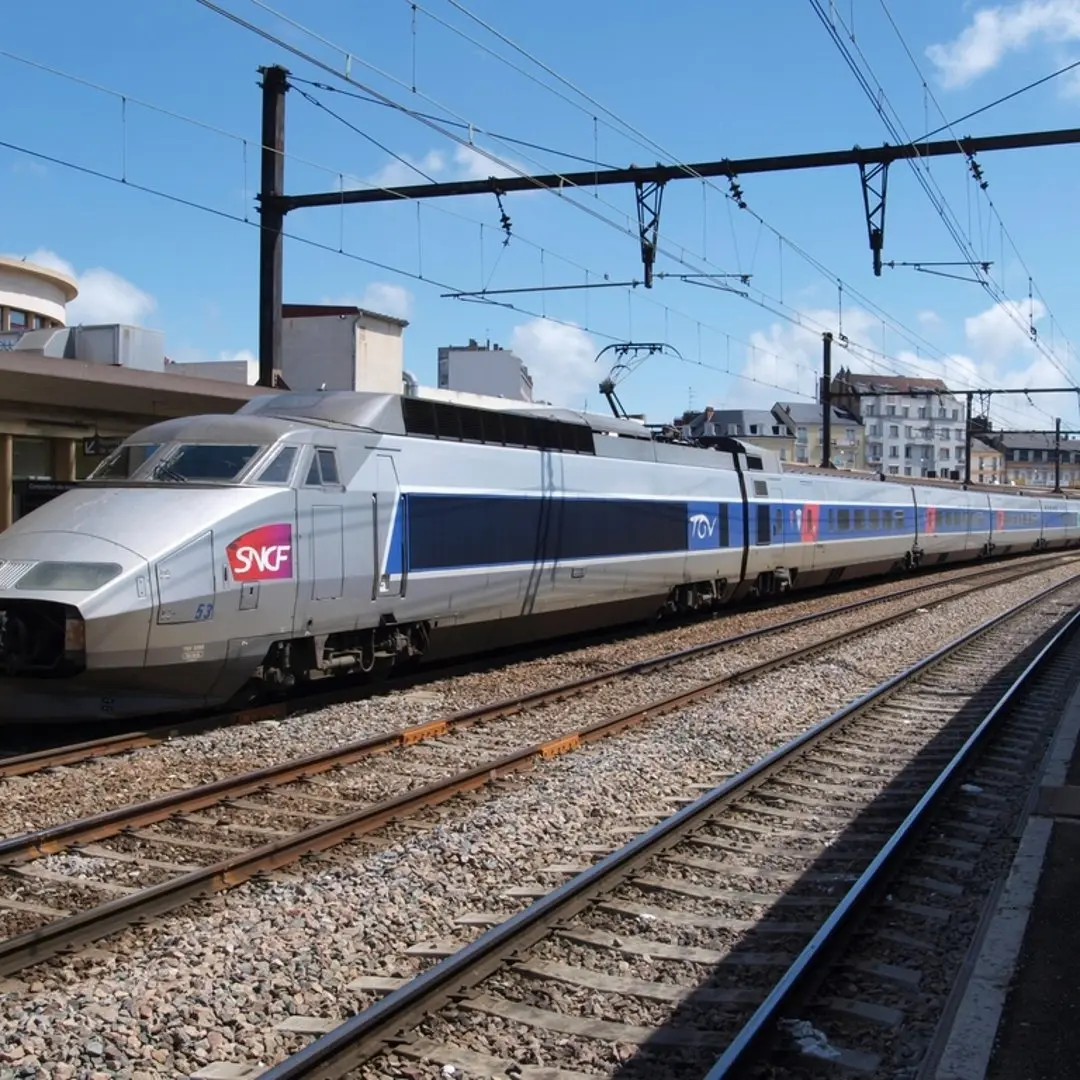
TGV domestic (France)
EUR 10 to EUR 20 depending on route
TGV Lyria (Paris to Geneva, Zurich or Basel)
EUR 29 to EUR 39
Paris to Milan via Trenitalia Frecciarossa (since May 2026)
EUR 13 per leg
Paris to Barcelona high-speed
EUR 35
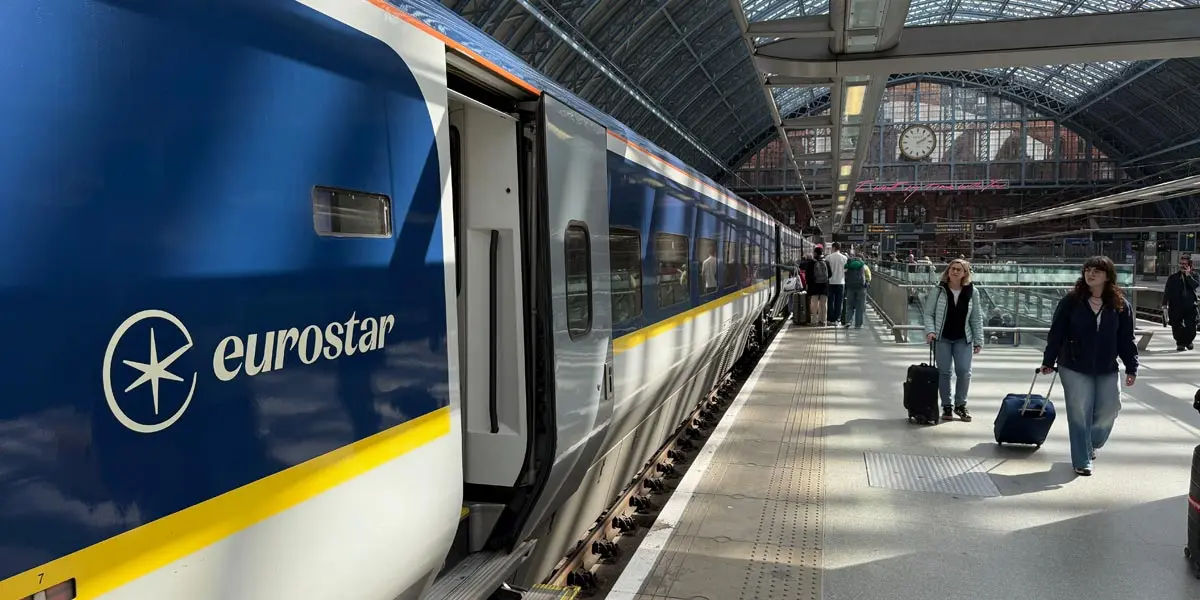
Eurostar (London to Paris, Brussels or Amsterdam)
EUR 35 to EUR 43
Nightjet couchette or sleeper supplement
EUR 34 to EUR 114
The New Global Plus Pass: Reservations Bundled In
In 2026, Interrail introduced the Global Plus Pass. It adds 100 euros to the cost of a 5-day or 7-day flexi pass and covers seat reservation fees on most trains. The bundle includes three credits for high-cost routes (Eurostar and Lyria each count as one credit). Cheaper reservations such as a domestic TGV at 10 euros are covered without using a credit. A 7-day Global Plus Pass costs 481 euros (381 plus 100 euros, adult 2nd class) and removes per-train fee anxiety for most itineraries. It is worth the premium if your trip crosses Eurostar twice or includes several TGV legs in France.

When Point-to-Point Tickets Win
Advance booking transforms point-to-point costs. On fixed itineraries booked 6 to 12 weeks ahead, the cheapest fares are often far lower than a pass day plus reservation. A Paris to Marseille TGV purchased 8 weeks ahead can be 12 to 20 euros. A Berlin to Amsterdam ICE booked ahead starts from 29 euros. A Rome to Florence Frecciarossa bought 3 months out can be under 20 euros. None of those prices are available to a passholder, who pays the full reservation fee regardless of when they book.
Point-to-Point Also Wins on Short and Eastern European Trips
A pass paying 283 euros for 4 travel days needs to cover roughly 70 euros of train value per day to break even, before reservation fees. Two advance-booked legs rarely reach that threshold. Three or more long-distance legs, or travel at short notice, shifts the calculation back toward the pass. Eastern European travel tends to favour point-to-point for a different reason. Trains in Poland, Hungary, Romania and the Czech Republic are already cheap. A 40-euro ticket from Vienna to Budapest is hard for a pass day to beat.
Backpacker, 4 or more countries, flexible dates, 10 or more days
Pass wins
2-week trip with 3 or 4 fixed legs booked 6 weeks ahead
Point-to-point wins
Germany, Austria, Switzerland focus, no advance fares needed
Pass is strong value
Spain or Italy focus, 1 or 2 countries only
Point-to-point or One Country Pass
Last-minute travel with no fixed dates
Pass wins on flexibility
Long stay in one Eastern European region
Point-to-point: local fares are cheap
UK resident travelling London to the continent and back
Pass: fees apply either way
One Country Passes for Single-Country Trips
The Interrail One Country Pass covers a single country at lower prices than the Global Pass. The France One Country Pass costs around 136 euros for 3 travel days within 1 month (adult 2nd class), covering 3 TGV services before reservation fees. If you plan a Paris to Lyon to Marseille to Nice loop with no international legs, compare the One Country Pass against advance point-to-point fares for those routes. Note: you cannot buy a One Country Pass for the country you reside in.