Houthis Seize Mocha: The Gate of Tears Is Next
Daily oil transits through Bab al-Mandeb now (down from 8-9M bpd in 2023)
4.2M barrels
Share of world container trade through the strait in normal times
25%
Drop in Bab al-Mandeb vessel traffic since Houthi attacks began in Nov 2023
~50%
Distance from Mocha, now captured, to the shipping lane
20 km
Additional voyage days to reroute around the Cape of Good Hope
10-14 days
Mocha Falls. 20 Kilometres to the World's Shipping Lane.
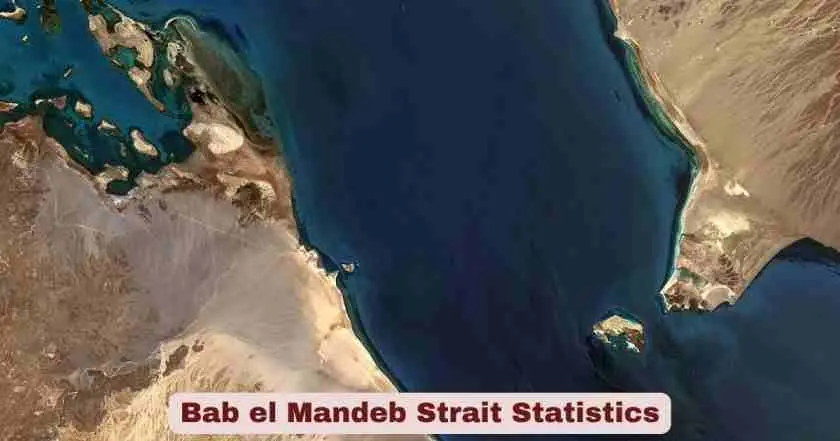
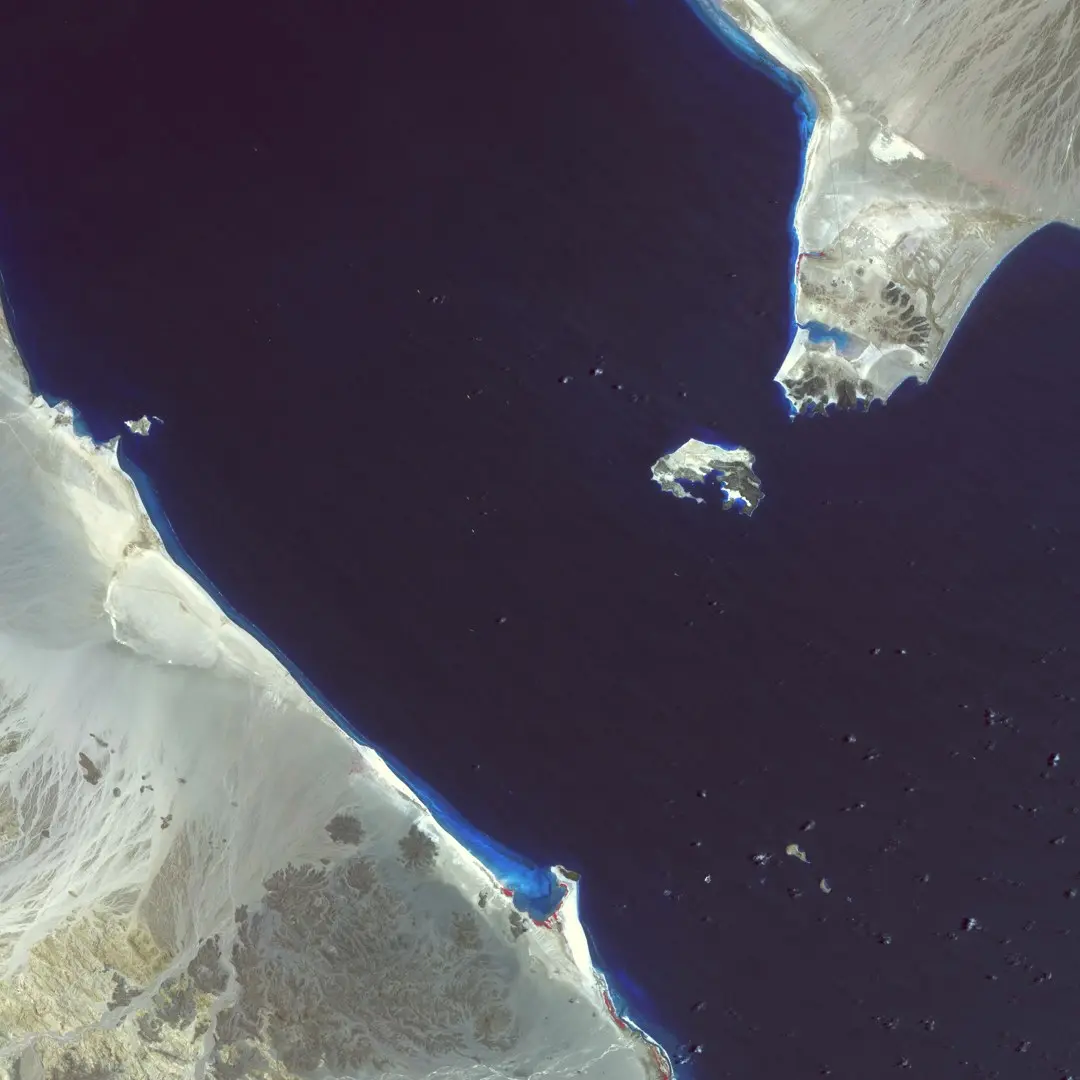
On September 10, 2026, Iran-backed Houthi forces seized the Red Sea port city of Mocha after weeks of sustained bombardment. Government forces withdrew in what their commanders called a "tactical reorganisation." By nightfall, Houthi fighters were in the streets of the city that gave its name to coffee. What makes Mocha matter is not the port itself. It is the distance: 20 kilometres to the western shipping channel of the Bab al-Mandeb Strait, the narrow passage connecting the Red Sea to the Gulf of Aden and, from there, to the Indian Ocean. Defence analyst Wolfgang Pusztai, speaking to Al Jazeera, put it plainly: from Mocha, the Houthis "could control it just with artillery; they wouldn't need to even use missiles or drones to attack ships." Since November 2023, the Houthis have already driven container traffic through the strait down by roughly half, using missiles and drone swarms launched from inland Yemen. A land base on the coast changes the calculus entirely.
The Gate of Tears, by the Numbers
The strait's Arabic name, Bab al-Mandeb, means "Gate of Grief" or "Gate of Tears," after its notoriously treacherous sailing conditions. The name has never felt more apt. In the first half of 2023, before the Houthis began targeting shipping, roughly 8 to 9 million barrels of oil and petroleum products passed through each day. By the first half of 2025 that figure had fallen to 4.2 million barrels per day, a decline of more than 50 percent. About 25 percent of global container trade normally runs through the same 16-mile western shipping channel. Every voyage diverted around the Cape of Good Hope adds 3,000 nautical miles, 10 to 14 days at sea, and roughly one million dollars in extra fuel costs per trip. The cumulative bill across the shipping industry has been estimated at 7 to 9 billion dollars in excess costs for 2025 and 2026 combined.
What the Houthis Actually Said
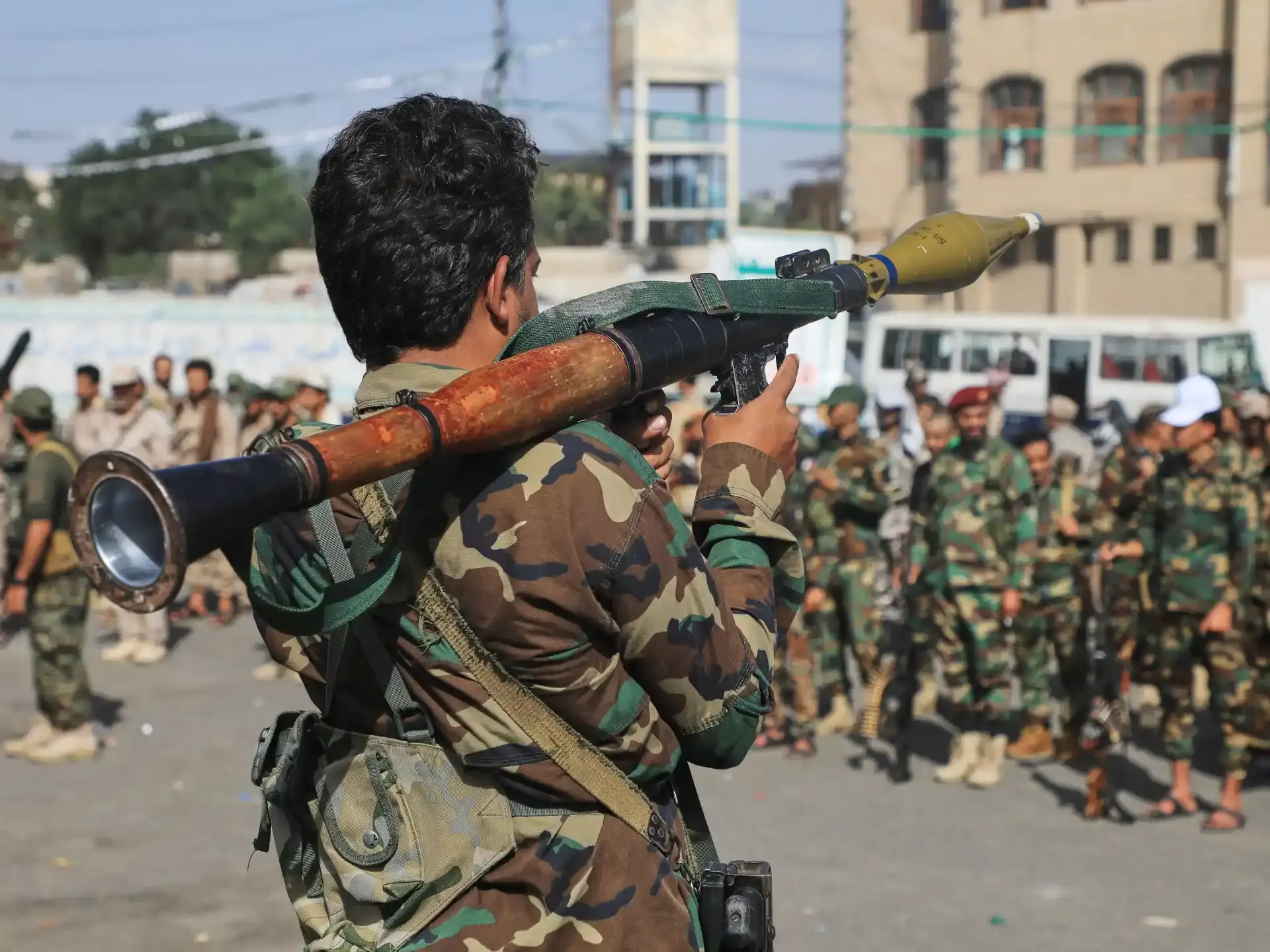
Houthi spokesman Mohammed Abdul Salam described the Mocha operation as an assertion of sovereignty, and claimed that navigation through the strait would "remain safe and uninterrupted." The group has said the same thing before: since November 2023 it has attacked over 100 commercial vessels while issuing similar assurances. The Saudi shipping ban the Houthis imposed remains in place. In parallel, Houthi forces also seized Zuqar Island in a separate operation on September 10, using "rocket attacks and a ground assault carried out using boats transporting fighters," according to government military sources. The island sits in the strait itself.
"Through their continued attacks on Mokha and its port, the Houthi militia seeks to establish a presence along the shores of the Bab al-Mandeb Strait and transform the area into a situation resembling that of the Strait of Hormuz.
"Major-General Sadeq Duwaid. National Resistance Forces spokesman. September 10 2026
"Bab al-Mandeb Cannot Become Another Strait of Hormuz"
Yemen's Presidential Leadership Council head Rashad al-Alimi appealed to the international community hours after Mocha fell. "The protection of Yemen's coasts and the restoration of state control over its territory, ports and waters is a joint Yemeni, Egyptian, Arab and international interest," he said. The Council sent a formal message to the UN Security Council calling for a firm international response. Saudi coalition aircraft launched approximately 40 airstrikes on September 10 in response to the advance. Pakistan's government warned that its Mecca Defense Pact with Saudi Arabia, described as a NATO-style mutual defence clause, could be invoked if Houthi attacks on Saudi territory continue. Since early September, fighting around Mocha and in southern Saudi Arabia has killed more than 500 people, the majority combatants.

The Dual Chokepoint Scenario, No Longer Theoretical
With Hormuz still at a fraction of pre-war capacity after the US-Iran conflict that began in February 2026, Bab al-Mandeb is the detour the world's oil trade has been depending on. A simultaneous closure of both straits would block roughly 30 percent of global container shipping and 22 percent of global oil supply: around 10 billion dollars in daily trade at risk. The IEA and IMF have both modelled this. Until this week, it remained theoretical. Mocha does not give the Houthis direct command of the lane. Naval patrols remain active, and any overt blockade would invite immediate retaliation. But the group now has a coastal base 20 kilometres from the shipping channel, a seized island inside the strait, and a two-year record of doing more damage than anyone expected. Yemen's council head was right: this is not a purely Yemeni affair.