
Gami-Vacations: Video Games Rewrite Tourism
35 Percent of US Travelers Now Pick Destinations from a Game
Before 2020, no tourism board listed "resembles a video game" in its pitch deck. Then something shifted. Skyscanner's 2025 Travel Trends report, drawn from surveys of more than 20,000 travelers worldwide, found that 35 percent of US travelers now shape their holidays around a beloved gaming world. Among Gen Z, 57 percent say they have been inspired to book a trip by a location they first encountered in a game. The industry has a name for it: a gami-vacation. And the search data backs the survey. Searches for Cologne's GamesCom gaming convention spiked 508 percent on Skyscanner in a single booking window. The virtual-to-real pipeline has become a measurable force in travel.
A Medieval RPG Put an Obscure Czech Village on the Map
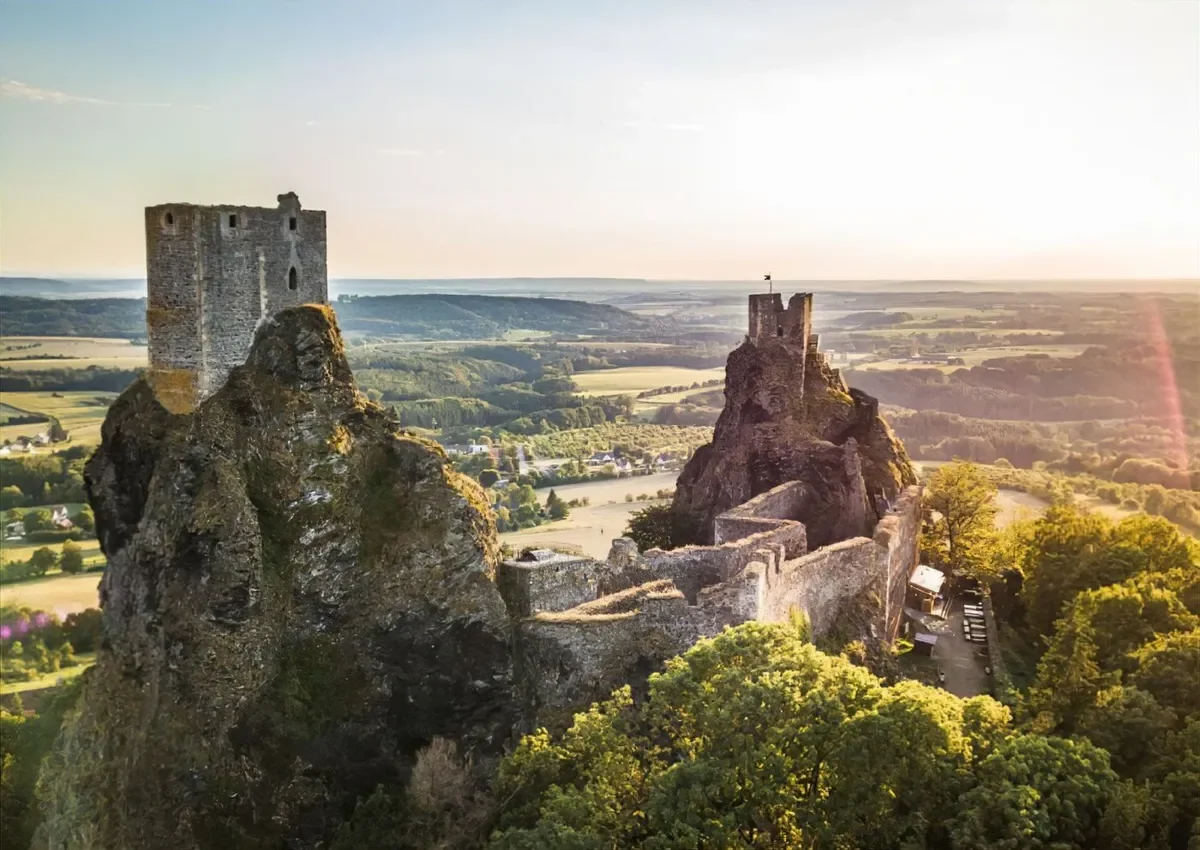
The clearest proof that gami-vacations are not just a survey artefact comes from the Czech Republic. Kingdom Come: Deliverance II, from Prague-based studio Warhorse, recreated Bohemian countryside so faithfully that players began recognising real sites. In April 2025, researcher Petr Netolicky of O2 Dataclair.ai tracked anonymised mobile data across the game's real-world locations. The numbers were stark. Suchdol near Kutna Hora, the village that modelled a medieval settlement in the game, recorded 45 percent more visitors than the same month a year earlier. Kutna Hora itself saw domestic visits rise by nearly 30 percent in April alone, an increase of around 22,000 people. Trosky Castle, whose ruins appear in the game, was up 22 percent.
300 Percent More Young Visitors and 55,000 New Arrivals Under 25
The effect was sharpest among the young. Mobile data showed visitor numbers for people aged 18 to 25 at the Sedlec ossuary and Cathedral of the Assumption of the Virgin Mary in Kutna Hora rising by up to 300 percent for that cohort. More than 55,000 tourists under 25 visited those sites after the game launched, an increase of over 250 percent compared to previous years for that demographic. The researcher was clear about what this meant: the spike had no meteorological or long-term tourism explanation.
"In spring 2025, all analysed locations recorded a visitor increase of several dozen percent compared to the previous year. This rise cannot be explained by the weather or general tourism trends.
"Petr Netolicky of O2 Dataclair.ai (July 2025)
Warhorse and the Municipalities Are Building on It
Tobias Stolz-Zwilling, communications director for KCD2 at Warhorse Studios, noted that fans "behave nicely, appreciate the monuments, and spend money in the city." That reception led Warhorse and local municipalities to formalise the relationship through an initiative called KCD Live, pairing on-site escape games at Malesov fortress with interactive tours and festival events. The first KCD fan festival attracted 2,500 visitors from across Europe and the United States. The second drew 3,000. The game has sold more than 4 million copies and the full KCD series totals more than 16 million sales worldwide. Each copy is a potential booking.
Japan Has Already Lived This, and Never Stopped
The Czech story has a precedent in Tsushima Island, Japan. When Sucker Punch released Ghost of Tsushima in 2020, Nagasaki Prefecture and the Tsushima Local Promotion Association partnered with Sony to map real sites in the game: Komoda Beach, Mount Shiratake, Watatsumi Shrine, and the ruins of Kaneda Castle. Tourism to the island, previously an obscure dot in the Korea Strait, rose measurably. The game has now sold 13 million copies. Six years on, Tsushima still ranks among the most searched niche destinations in Japan travel forums, driven almost entirely by players who had never set foot in the country before buying a plane ticket.
US travelers inspired by games
35% (Skyscanner 2025 survey, 20,000+ respondents)
Gen Z who would book based on a game location
57% (Skyscanner 2025)
GamesCom search spike on Skyscanner
508% in a single booking window
Suchdol visitor increase, April 2025
up 45% year on year after KCD2 launch
Kutna Hora domestic visits, April 2025
up nearly 30% (around 22,000 extra)
Ages 18 to 25 at Sedlec ossuary
up to 300% increase for that cohort
Young tourists to KCD2 sites post-launch
55,000 (up 250% for under-25s)
Ghost of Tsushima sales to date
13 million copies (Sucker Punch, September 2024)
Kingdom Come: Deliverance series total
16 million copies across both titles
What 2026 Is Adding to the Pattern
The Czech story is not isolated. France built an "Arno's Path" walking tour through 18th-century Parisian landmarks from Assassin's Creed Unity. Scotland promotes its Highlands via Assassin's Creed Valhalla. In September 2026, South Korea's Korea Tourism Organization announced a partnership with NEXON Games to build a fantasy game around real Korean destinations, inverting the model: rather than waiting for a game to make a place famous, the tourism board is asking the developer to put the place in the game first. Nearly 60 percent of Singapore travelers surveyed said they want to visit places they have played through. Among Indian youth, nine in ten would pick a foreign destination tied to a game they knew. The data no longer sounds like a niche interest. It sounds like a category.