Ebola 2026: The Bundibugyo Outbreak
The 2026 Ebola Outbreak
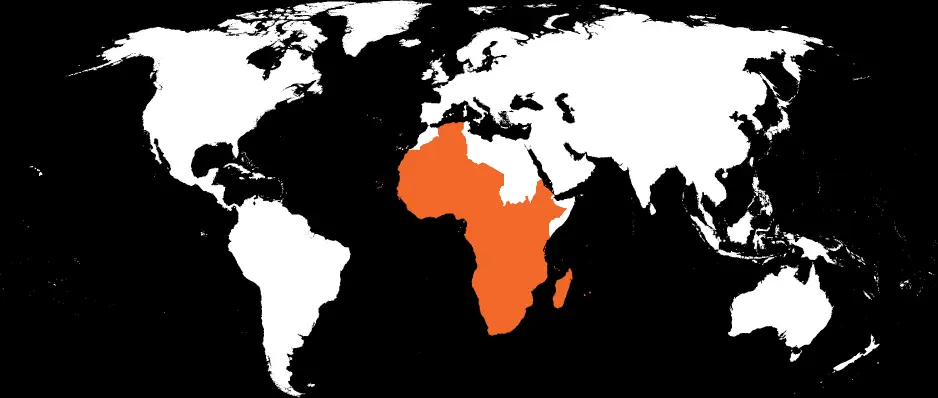
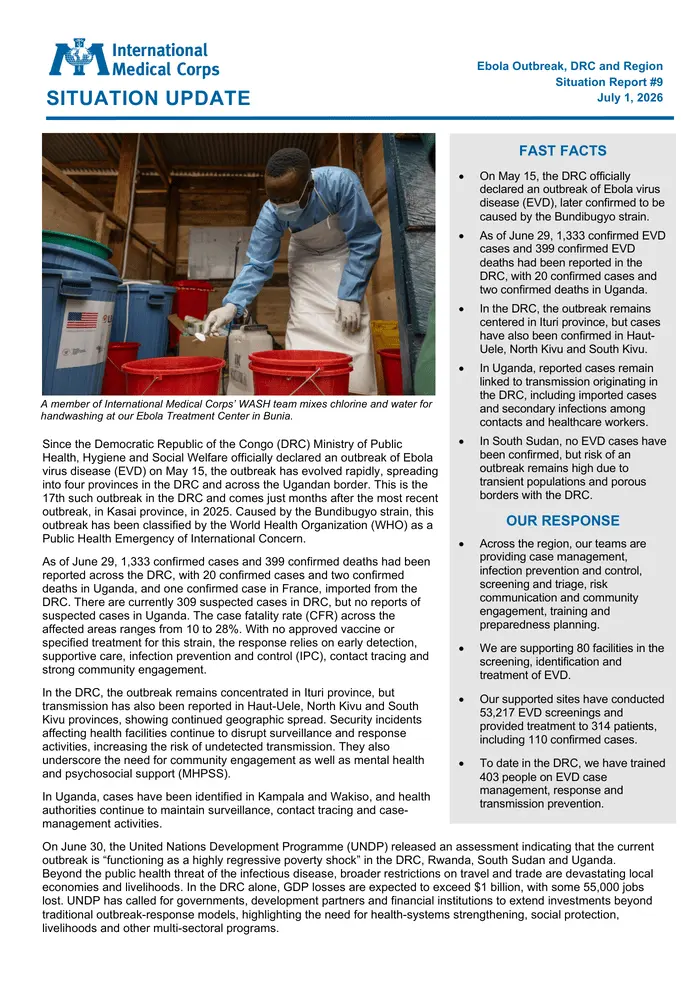
On May 15, 2026, the Democratic Republic of Congo and Uganda simultaneously declared Ebola outbreaks caused by the Bundibugyo virus, a species of ebolavirus for which there is no approved vaccine and no proven specific treatment. The outbreak began in Ituri province in northeastern DRC, probably as early as February 2026, and quickly spread into North Kivu and South Kivu provinces before crossing the border into Kampala, Uganda's capital city. An imported case was later confirmed in France. The WHO declared a Public Health Emergency of International Concern (PHEIC) on May 17, the highest alarm level in international health law. As of July 3, 2026: 1,460 confirmed cases and 452 confirmed deaths in DRC.
Confirmed cases (DRC)
1,460 (as of July 3, 2026)
Confirmed deaths (DRC)
452 (case fatality rate approx. 31%)
Currently hospitalised
641 in isolation wards
Missing contacts
over 26,000 people untraced
Outbreak declared
May 15, 2026 (probable origin: February 2026)
Global status
WHO PHEIC declared May 17, 2026
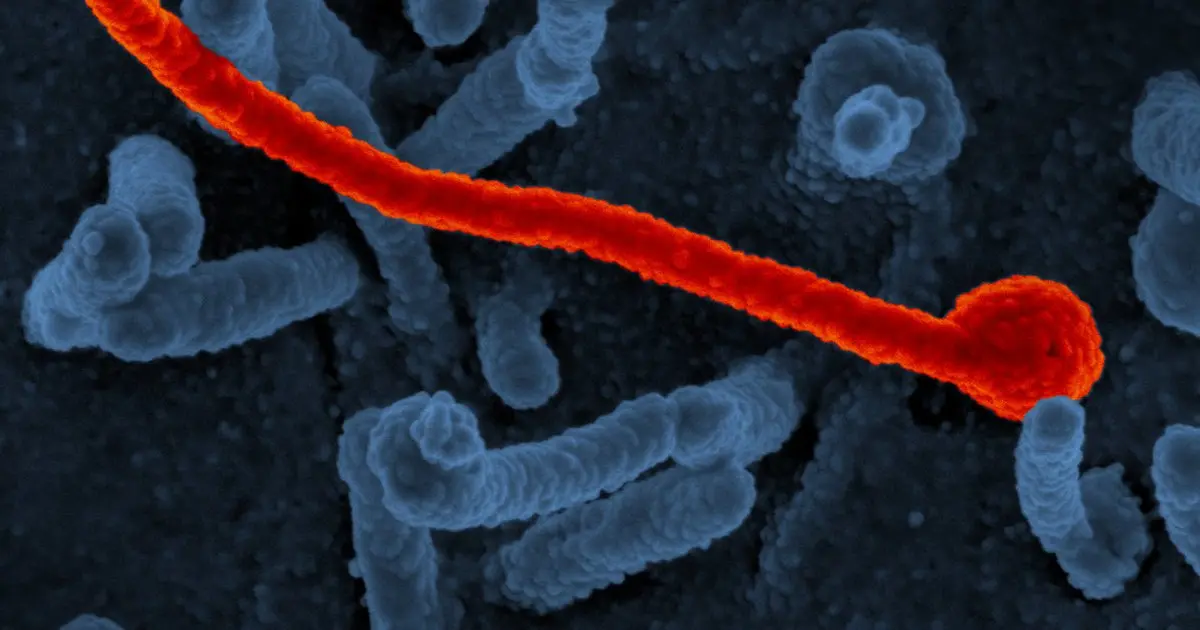
The Bundibugyo species is one of the rarest and most poorly understood of the six known ebolaviruses. Unlike the Zaire strain behind the 2014-16 West Africa epidemic (for which the rVSV-ZEBOV vaccine exists), Bundibugyo has no approved vaccine and no approved antiviral treatment. The global health response is working with experimental candidates only, and the WHO estimates a trial vaccine could take up to nine months to become available.
Africa CDC Director-General Jean Kaseya said in June 2026: more than 26,000 people who may have been exposed to Ebola remain untraced and uncontacted. In a highly mobile region marked by active conflict and displacement, contact tracing is the single biggest failure point in containing the outbreak. If those contacts are not found, the epidemic curve cannot be broken.
"If we don't stop the outbreak very soon, it will be worse than what we had in West Africa and eastern DRC.
"Jean Kaseya · Africa CDC Director-General · June 2026
The 2014-16 West Africa Ebola epidemic remains the largest in history: 28,616 cases and 11,310 deaths across Guinea, Sierra Leone, and Liberia. The 2026 DRC outbreak is still far below that scale, but the pace of new cases, the absence of a vaccine, and the difficulty of contact tracing in Ituri's conflict-affected terrain mean the trajectory is being watched with acute concern by health authorities worldwide.