Dolly Parton: 3,000 Songs and a Library
3,000 Songs, 26 Number Ones, 332 Million Books, One Cabin in Tennessee
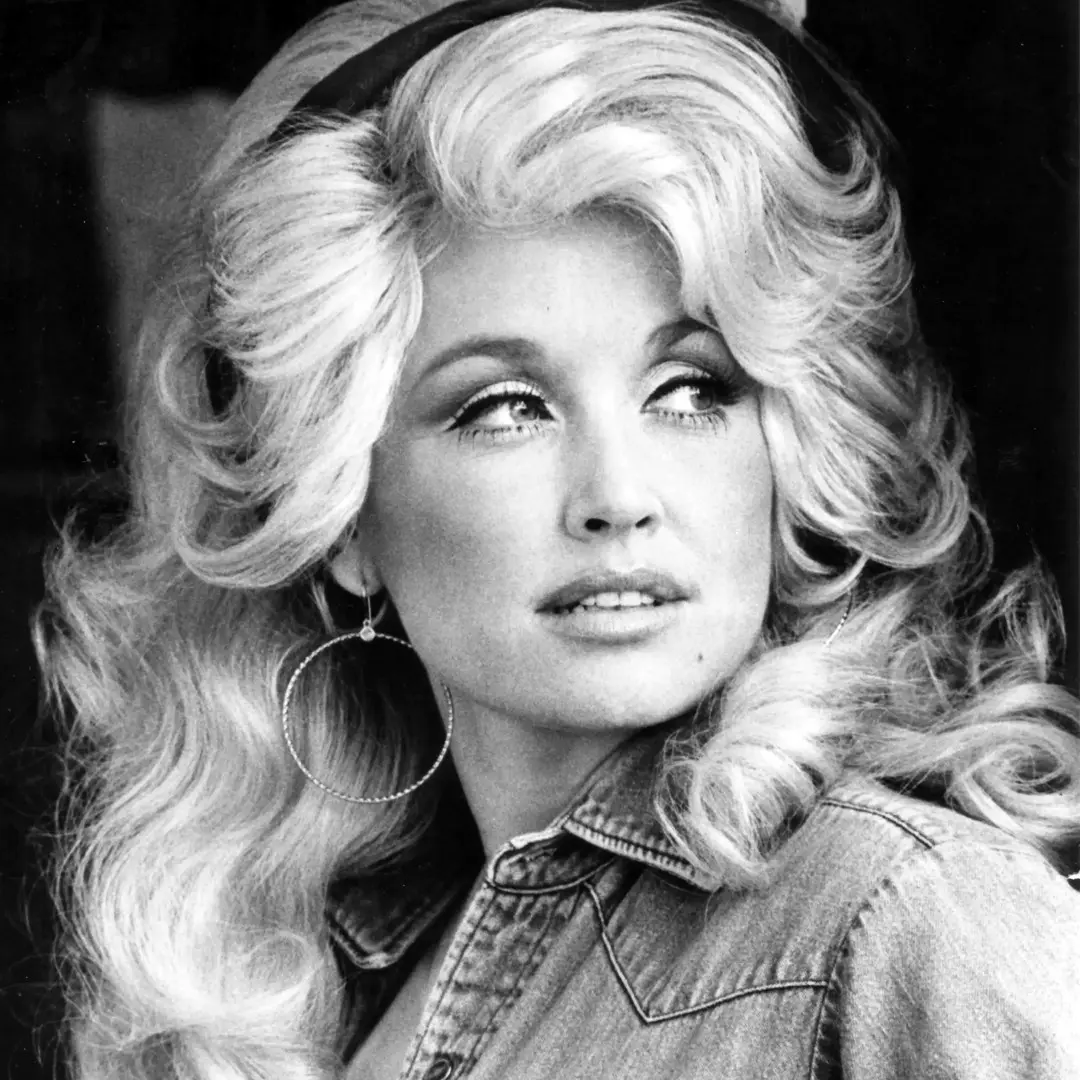
Dolly Parton died on August 25, 2026, at the Vanderbilt-Ingram Cancer Center in Nashville, surrounded by family. She was 80. Her team confirmed a brief battle with cancer; the type was not disclosed. Her nephew Bryan Seaver announced the death. President Trump ordered flags lowered for a week. She wrote more than 3,000 songs across a seven-decade career, sold over 100 million records, and received 54 Grammy nominations, winning ten. She had 26 number-one singles on the Billboard Country chart, a record for any female artist. In 2024, Billboard named her the number-one country music artist of all time. Those are the large numbers. The smaller one is just as striking: at the time of her death, one in every six children under the age of five in the United States received a free book each month through her Imagination Library, a program she started in 1995 because her father never learned to read or write.
The Song Elvis Never Got to Sing
In 1973, Dolly Parton wrote "I Will Always Love You" as a farewell to her professional partner Porter Wagoner, who had helped launch her career. She released it herself. It reached number one. Eight years later she re-released it for a film soundtrack. It reached number one again. Elvis Presley wanted to record it. His manager, Colonel Tom Parker, demanded a share of the publishing rights. Parton refused. She told W Magazine: "I wanted to hear Elvis sing it, and it broke my heart. I cried all night. But I had to keep that copyright in my pocket." Elvis never cut the song. Whitney Houston recorded it for the Bodyguard soundtrack in 1992. It spent 14 weeks at number one on the Hot 100 and sold eleven million certified US copies, the best-selling single by a woman in history. Parton earned an estimated ten million dollars in 1990s royalties from Houston's version alone.
"I wanted to hear Elvis sing it, and it broke my heart. I cried all night. But I had to keep that copyright in my pocket.
"Dolly Parton on refusing to give up her publishing rights
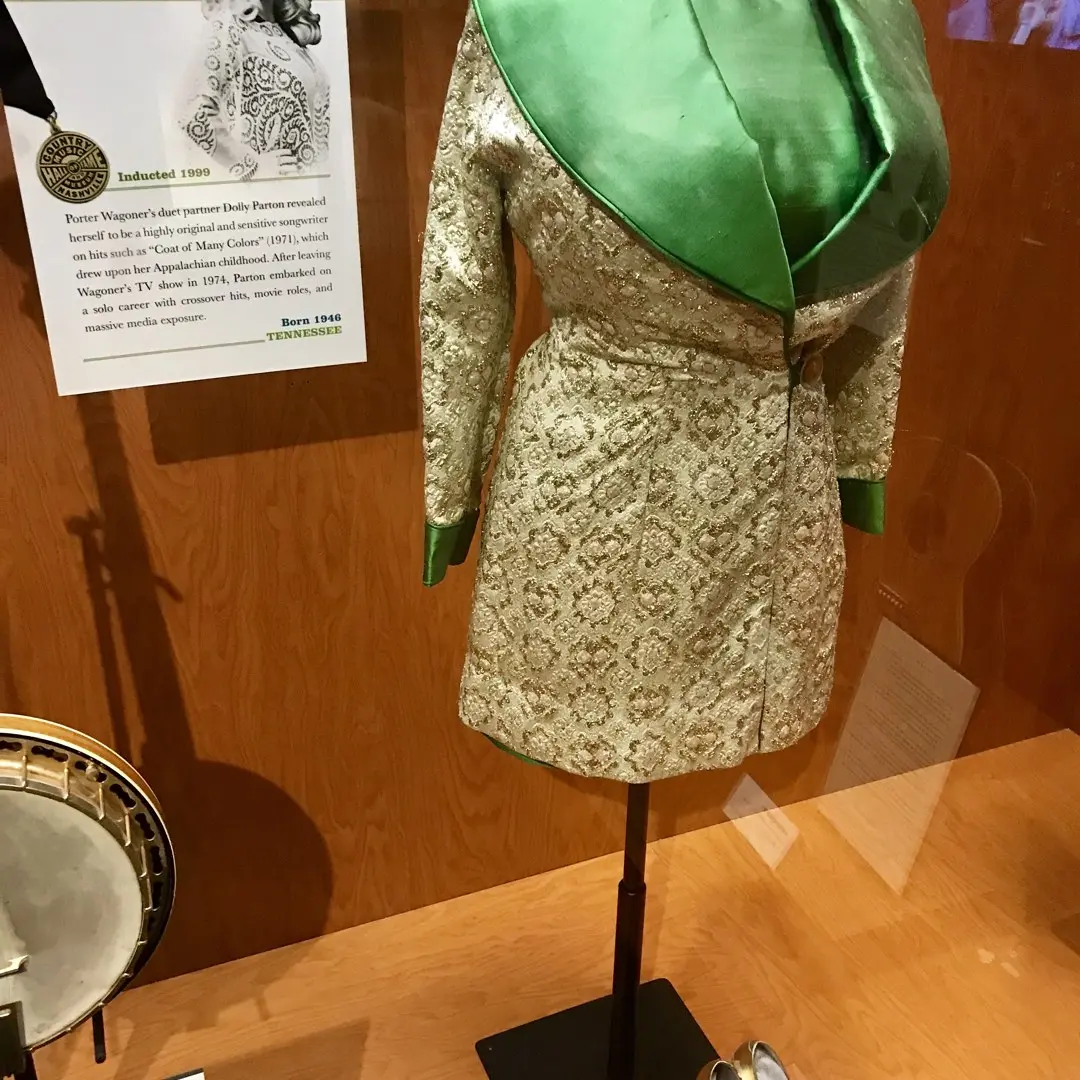
She wore this the year the Opry inducted her as a member.
She had first performed there at thirteen, when Johnny Cash introduced her from the stage. She was still performing at seventy-eight.
The Library She Built For Her Father
Lee Parton, Dolly's father, could not read or write. He signed his name with an X. In 1995 she started the Dolly Parton Imagination Library in Sevier County, Tennessee, mailing one free book per month to any registered child from birth to age five, regardless of family income. It started local. Within five years it had gone national. It now runs across the United States, Canada, the United Kingdom, Australia, and Ireland. By the time she died it had distributed 332 million books and was mailing 3.4 million a month. In 2020 she donated one million dollars to Moderna's early COVID-19 research, helping fund what became the Moderna vaccine. Her family has asked that memorial donations go to the Imagination Library, so the books keep arriving.
What She Leaves Behind
Her song catalog, which she never sold, is worth an estimated 120 million dollars. Dollywood is still open. The Imagination Library will continue through the Dollywood Foundation. She was born two miles from the tourist strip in Pigeon Forge. She is buried, by her own request, on private land near there. Her husband Carl Dean, to whom she was married for 59 years and who died in March 2025, was a recluse who rarely appeared publicly beside her. She joked about him for decades. She wrote her best songs about him. "The way I see it," she said, "if you want the rainbow, you gotta put up with the rain."