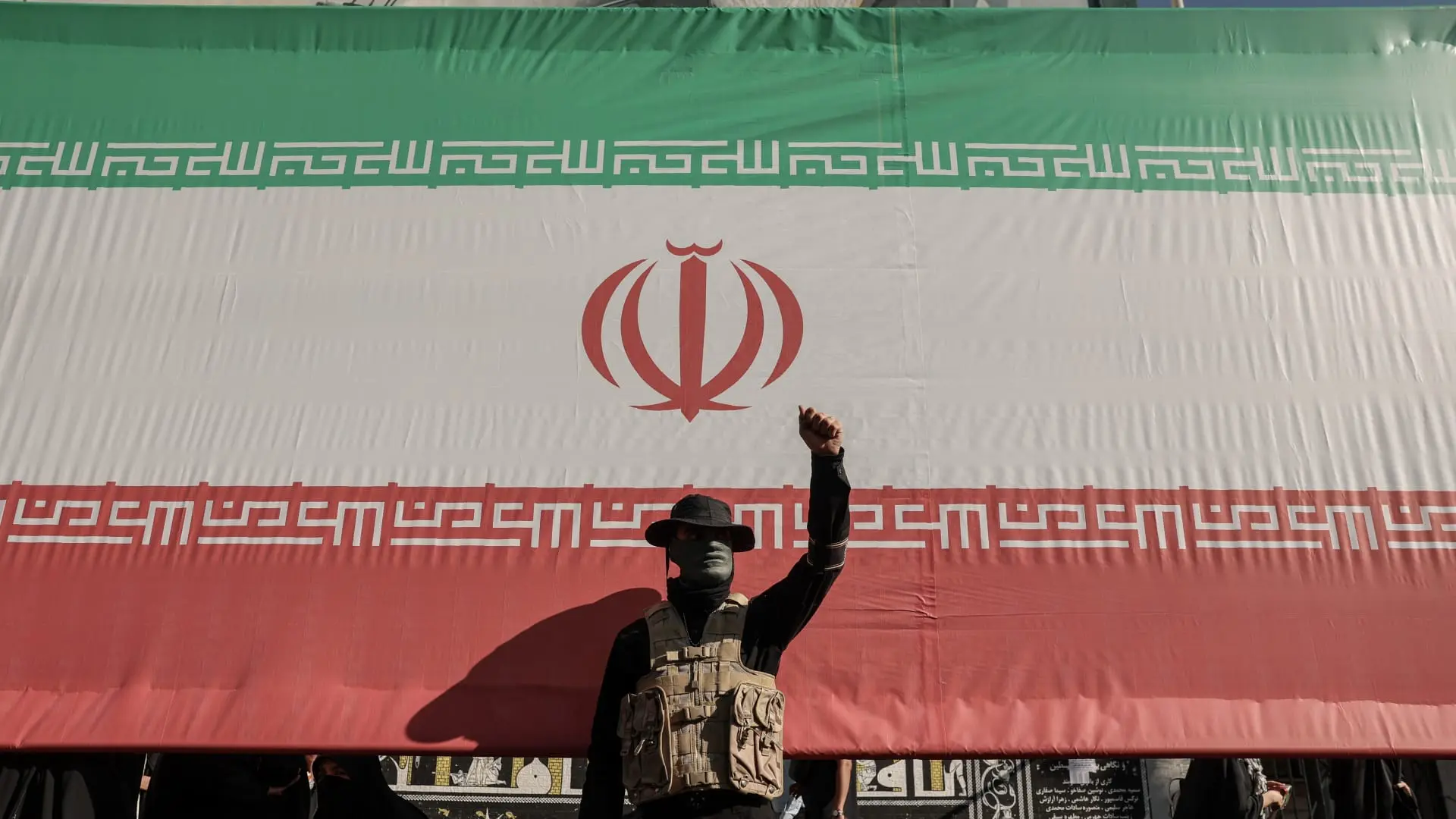
Deal or Annihilation: Iran Sets Its Price at UNGA
$98 Oil and a Three-Hour Meeting
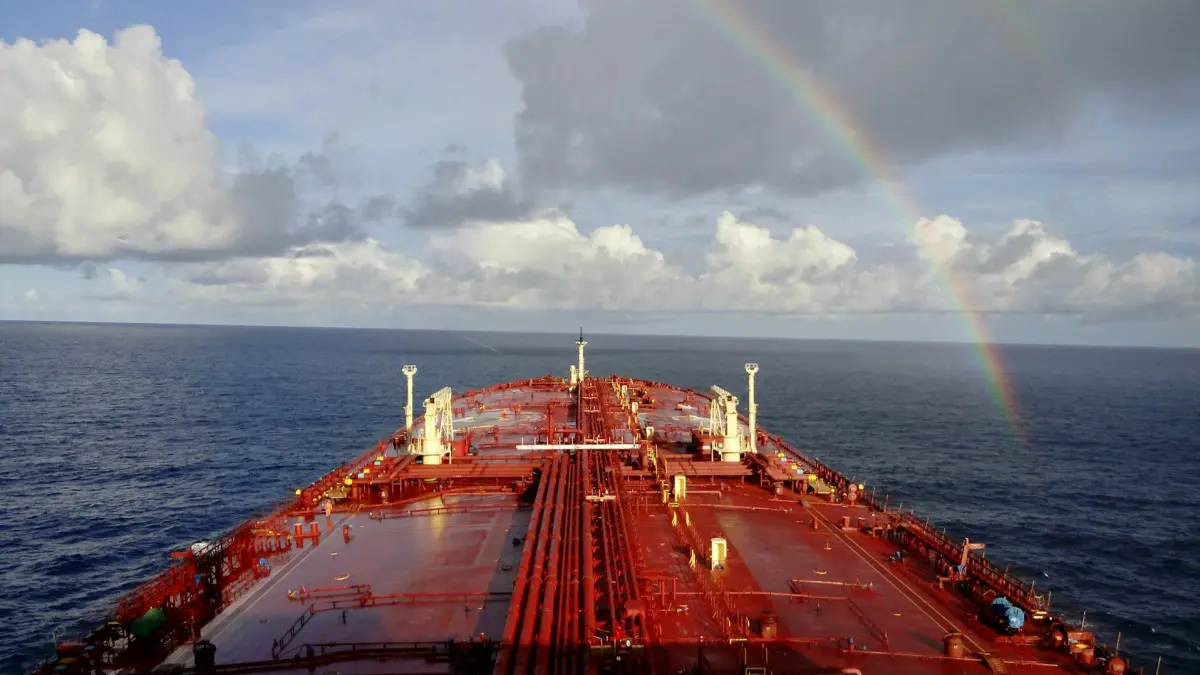
Brent crude traded at $65 a barrel the week before the US and Israel launched strikes on Iran on February 28, 2026. It peaked at $140 when Iran closed the Strait of Hormuz entirely. On Tuesday, September 22, it slipped to $98.55 as traders read a single data point: Iran told the US its delegation had full authority to pursue a deal and described the UN General Assembly as a "golden opportunity." Iran said the strait could reopen within seven days if the US eased military pressure. The offer came with conditions: lift the US naval blockade, release frozen Iranian assets, and end the war on all fronts. None of those conditions have been met. But naming a number, seven days, was itself new information. Normal Hormuz traffic was around 18.3 million barrels of crude per day. The latest Kpler satellite count covering the seven days to September 20 put confirmed transits at 6.98 million barrels per day, or 38% of the pre-war baseline.
The Ultimatum From the Podium
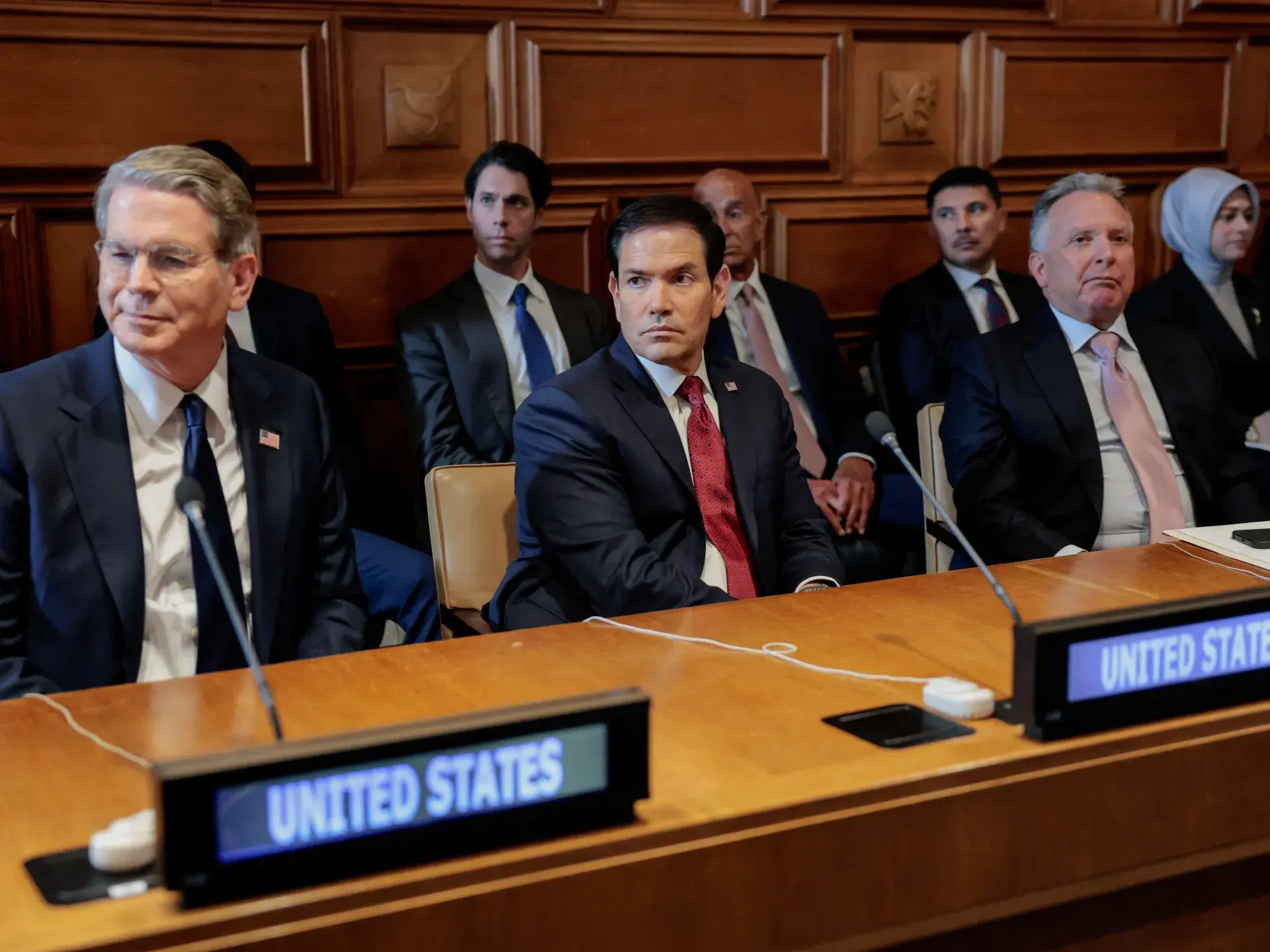
Trump stood before the General Assembly on Tuesday and laid out a binary. "Will a deal be made with Iran that lets them rebuild and create a far greater country than it ever was before?" he said. "Or do I annihilate the Islamic Republic and do it quickly, never giving them a chance to kill and destroy people and countries again?" The Iranian delegation walked out as he spoke. Hours later his envoys Steve Witkoff and Jared Kushner sat with Iranian Foreign Minister Abbas Araghchi for three hours. Trump called it "a very good meeting." Witkoff said the discussions were "constructive and promising," with mediators from Qatar and Oman shuttling between the sides.
"I believe we'll make a deal right after the election because it doesn't make sense for them not to. They're waiting to see how I do.
"Donald Trump at UNGA on September 22 2026
Iran's Conditions and the Price of Waiting
Iran communicated its demands through a Qatari mediator. The core ask: end the blockade, unfreeze assets, and halt the war on all fronts. A senior Iranian official told Reuters that once those conditions were met, Hormuz could be open within a week. Iranian Foreign Minister Araghchi confirmed the meeting with Witkoff was held at the US side's request. The strait's closure has imposed real costs. Gas prices in the US have risen roughly 50% since February, averaging $4.47 per gallon. Diesel reached $6.52. The Federal Reserve hiked rates to 3.75-4% last week, with energy a primary driver of 3.7% PCE inflation. Iran's position is no easier: the rial has lost 44% of its value in six months and food inflation runs at 127.5% per year.
Brent crude pre-war (Feb 2026)
$65 per barrel
Brent crude peak at Hormuz closure
$140 per barrel
Brent crude today (Sept 23)
$98.55 per barrel
Hormuz transits pre-war
18.3 million bbl per day
Hormuz transits now (Kpler Sept 20)
6.98 million bbl per day
US gas price average
$4.47 per gallon
US diesel price
$6.52 per gallon
Iranian rial decline (6 months)
down 44%
Iranian food inflation
127.5% per year
Why the Midterms Are the Real Deadline
Trump said a deal would come "right after the election," placing the earliest realistic window at mid-November. The November 3 midterms are 41 days from his UNGA speech. The political calculus is visible on both sides. Democrats have made diesel at $6.52 a midterm message. Trump's approval sits at 37.8%, with independents at 34%. The generic congressional ballot is at D+6.3. Trump's public logic, that Iran is "waiting to see how I do," frames any deal before November as weakness. Tim Waterer, chief market analyst at KCM Trade, put the market view plainly: "The longer talks drag on without visible progress, and the more complex the reported demands become, the greater the scepticism that a workable agreement can be reached quickly." The question the UNGA meeting raised is whether Iran can hold its position for 41 more days, or whether 127.5% food inflation forces an earlier move.