Colophon
Colophon
A colophon is the note at the back of a book that says which type it was set in and who printed it. This is the same thing for this page. It exists because I have looked at a page I liked and wanted to know what made it, and found nothing, and been mildly annoyed.
What the page is made of
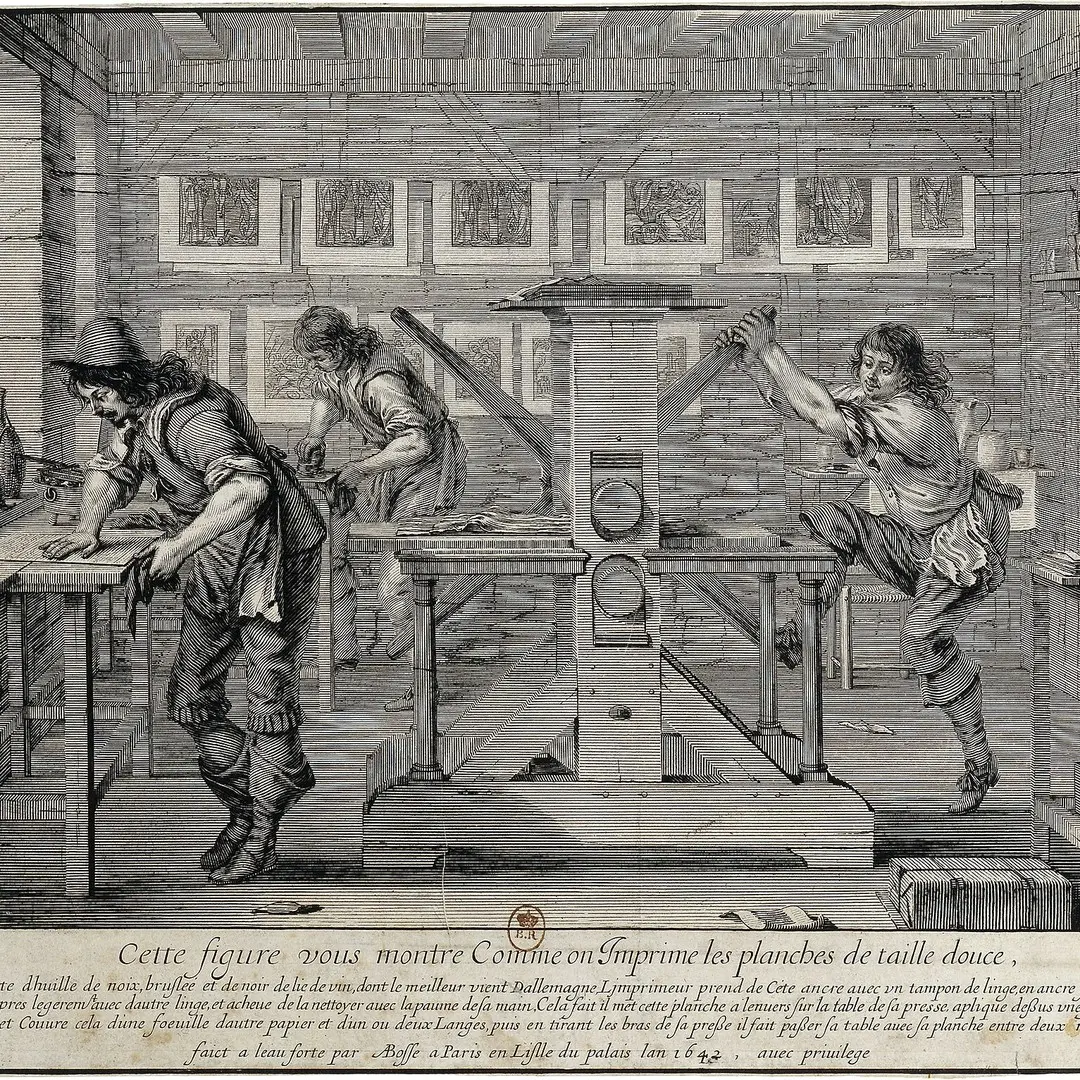
Every block you have scrolled past is a chip. This page uses four kinds: a prose chip, a link chip, a quote chip and a code chip. They are separate objects with their own shapes rather than one field of text with formatting sprinkled through it, which is why the year-by-year list on my reading page and the ledger on another page are the same timeline component holding different rows, and neither of them is a table I hand-built and now have to maintain. The typeface is whatever your system serves. I have not loaded a font. The cover is a 1642 engraving by Abraham Bosse showing a rolling press, which is in the public domain and is the closest thing I could find to a picture of what a colophon is for.
.jpg?utm_source=slatesource)
Where it lives
The file that produces this page is in a git repository, in a folder called colophon, next to the other pages. The folder holds three things: a .slate file with the title and settings, a pages directory with the text, and an assets directory with the cover. That is the whole structure. There is no database entry that is more correct than the folder. The repository is the source of truth. I write in the editor I already have open, commit, and push, and the page follows. That direction matters and it is the one thing on this page worth stating twice.
"The folder is the page. Everything else is a rendering of it, including the one you are reading.
"
Editing on the web does not commit anything back
This page can be edited in a browser. If I do that, the change shows on the page and does not go back into the repository. The next push from my machine is built from the files on disk, so a web edit that was never written into the folder is simply gone at that point. I am not warning you about a trap. It is a one-way street and knowing which way it runs is the whole of it: the folder writes to the page, the page does not write to the folder. So I use the web editor to look, and occasionally to fix a typo I can live with losing, and I make anything I care about in the file.
The actual file
Below is the .slate that builds this page. Not an example of one. This one, copied out of the folder. It is five lines and four of them are self-evident.
 name: Colophon
 description: How this page is made, what it is made of, and where the file that makes it actually lives. Written for anyone who has looked at a page and wondered what produced it.
 type: ARTICLE
 visibility: public
 thumbnail: cover.jpg
A note on the indentation above
The lines in that block are indented by one space. In this format a line whose first character is a colon opens a new chip, so a code sample that begins at column zero can parse itself out of the page it is trying to appear on. One space is enough to stop it. The file on disk has no such indent. The page text sits in pages/home.chext in the same folder. The cover is assets/cover.jpg at 1080 by 1080, which is square because the card that links here crops to a square and a wide image loses its middle.
Why write this down
Partly so that I remember. Mostly because the question people actually ask about a page is not what it is about but how it was put there, and answering it once in public is cheaper than answering it in six separate replies.