Colombia Earthquake 2026: Race Against the Clock
Magnitude
7.4 Mw, Colombia's strongest quake this century
Confirmed dead (Aug 12)
250+
Missing
3,700+ (civilian databases estimate higher)
Injured
1,200+
Buildings collapsed
86
Airports suspended
7
Cities on red alert
5 (Cali, Pereira, Manizales, Quibdo, Armenia)
Epicentre depth
103 km, Choco department
Colombia's Worst Earthquake This Century
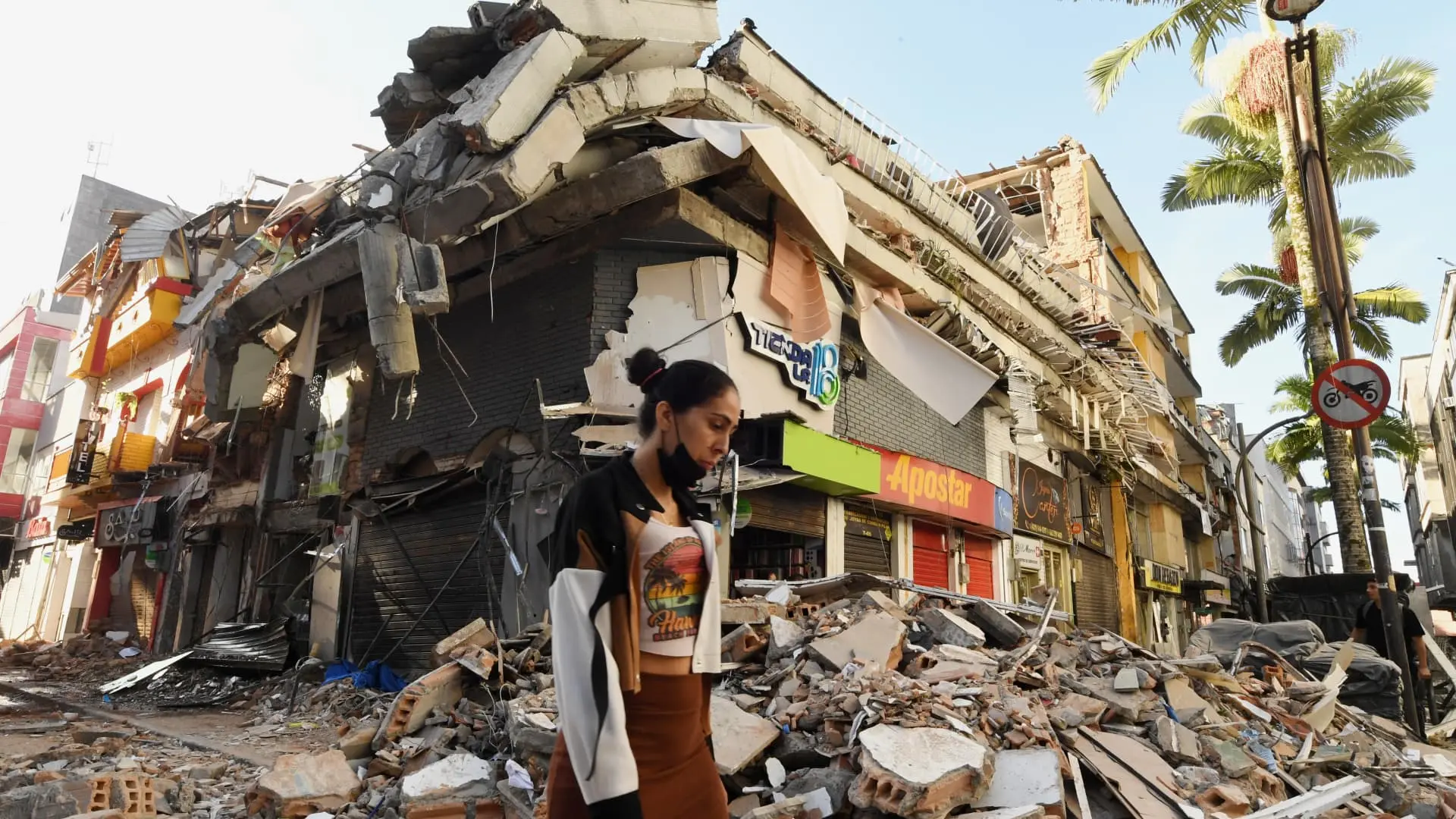
The quake struck the department of Choco in western Colombia, a remote, mountainous region that made access to the worst-affected zones difficult from the first hours. The shaking was felt across much of Colombia and into Ecuador and Panama. In the Coffee Axis, the densely populated cluster of cities built on Colombia's steep volcanic slopes, multi-storey buildings folded into the ground. In Pereira, the city of half a million people lost electricity almost immediately. People spent the first night in the street, afraid to sleep indoors. In Cali, Colombia's third-largest city, volunteers formed human chains to pass buckets of rubble by hand, pausing every few minutes to listen for sound beneath the concrete. The earthquake presented the first crisis for newly inaugurated President Abelardo De la Espriella, who had been in office for just three days. He declared a national emergency and a three-month economic relief measure for the Coffee Axis region. By day two, more than 220 rescue s
What You Need to Know Right Now
- The quake struck at 11:42 AM local time on August 10, centred near San Jose del Palmar in Choco. At 7.4 Mw and 103 km depth, it is the largest seismic event recorded in Colombia this century.
- Five capital cities went to red alert simultaneously: Cali, Pereira, Manizales, Quibdo, and Armenia. Seven airports suspended all operations within hours.
- Pereira, population 500,000, bore the worst damage. Electricity failed. Residents slept in the streets fearing aftershocks as rescuers worked by flashlight and crane.
- Rescuers pulled a woman alive from rubble in Cali almost 30 hours after the quake and extracted a baby through a crack in a concrete wall on day two, to cheering crowds.
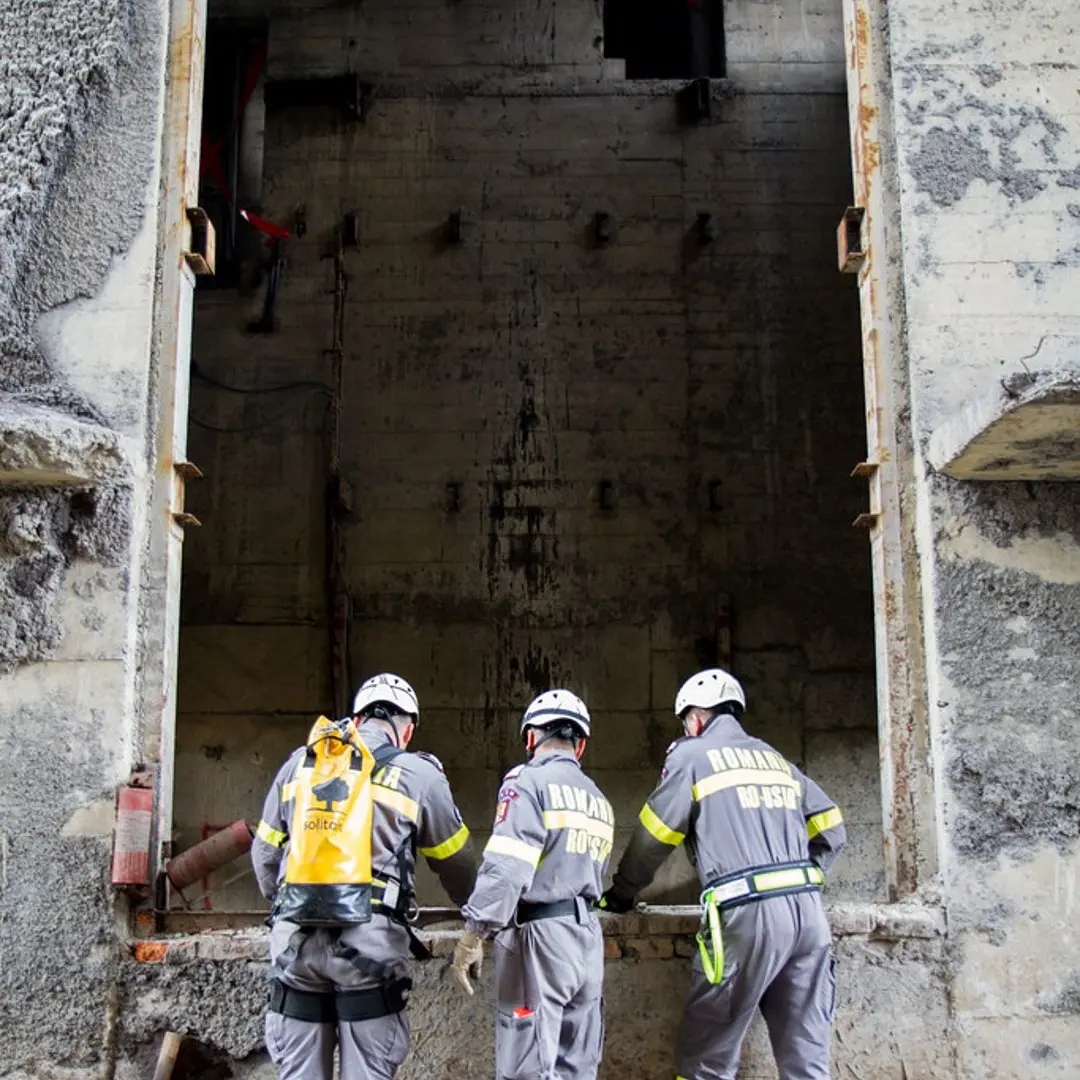
- President De la Espriella, sworn in just three days before the quake, declared a national emergency and sent 220 rescue specialists and 100 military engineers to Cali.
- The US pledged $15.5 million for shelter, food and assessments. The Coffee Axis region, Colombia's green volcanic heartland, faces the hardest long-term recovery.
- The 72-hour survival window closes today. Trapped victims with access to water can survive longer, but most successful rescues happen within the first three days.
"Colombia will not leave anyone behind. Every person still under that rubble has a name, a family, and people fighting to reach them.
"President Abelardo De la Espriella
Historical context. The last major earthquake to devastate this region was a 6.2-magnitude quake near Armenia in January 1999, which killed more than 1,100 people and flattened the city centre. That quake reshaped Colombia's building codes and emergency response system. The 2026 earthquake is stronger by a factor of four on the energy scale, and the death toll is still climbing.
The access problem. San Jose del Palmar, closest to the epicentre, sits in a remote mountainous area of Choco with limited road access. Rescue teams reported on day two that they had still not reached the epicentre zone. Villages in the surrounding hills have not been heard from. The true scale of casualties may not be known for days.