Britain on Fire: The Summer of 2026
Peak temperature recorded (2026)
38.1C at Kew Gardens, Aug 13
England mean summer temp (to Aug 10)
18.19C, +2.46C above average
Days reaching 38C in 2026
2 (equalling 2022's all-time count)
Number of heatwaves, summer 2026
5 (previous record: 3, in 2022)
Hectares burned by Aug 10
23,359 (57,700 acres)
Households facing water restrictions
15 million across southern England
The Hottest Summer Since Records Began
By August 10, 2026, England had recorded a mean summer temperature of 18.19C, which is 2.46C above the 1991 to 2020 average. The previous record, 17.44C, was set just one year earlier in 2025. For England to merely equal that record, the rest of August would need to average 1.41C below normal. Any warmer than that and it is a new all-time high, in a series stretching back to 1884. The Met Office's Senior Scientist Mike Kendon put the trajectory plainly: "Another record-breaking summer now looks increasingly likely for the UK, following the second-warmest June and second-warmest July on record." Five separate heatwaves hit Britain between May and August. By 15 July, 2026 had already racked up more days above 30C than the entire summer of 1976, the year that defined British drought in living memory. It was also the first year on record to hit 35C in May, June, and July in succession.

July Was the Driest Month Anyone Has Measured
The July numbers told a different kind of record. Southern England received just 1.9mm of rain for the entire month: the driest single month ever observed at any point in the Met Office record, which runs to 1836. England as a whole managed 6.5mm, just 10% of the July average and a new all-time July low. Southern England's longest dry streak reached 62 consecutive days at Wisley in Surrey, starting June 17. Dr. Amy Doherty, Met Office Science Manager, described the combination: "July 2026 has been a truly remarkable month in the UK's climate record. The combination of record-breaking dryness, exceptional warmth and unprecedented sunshine has delivered one of the most notable summer months in our historical records." England and Wales also logged their sunniest calendar month ever recorded. The sun that baked the soil dry was the same sun that turned the grass to fuel.
38.1C: The Day Britain Caught Fire
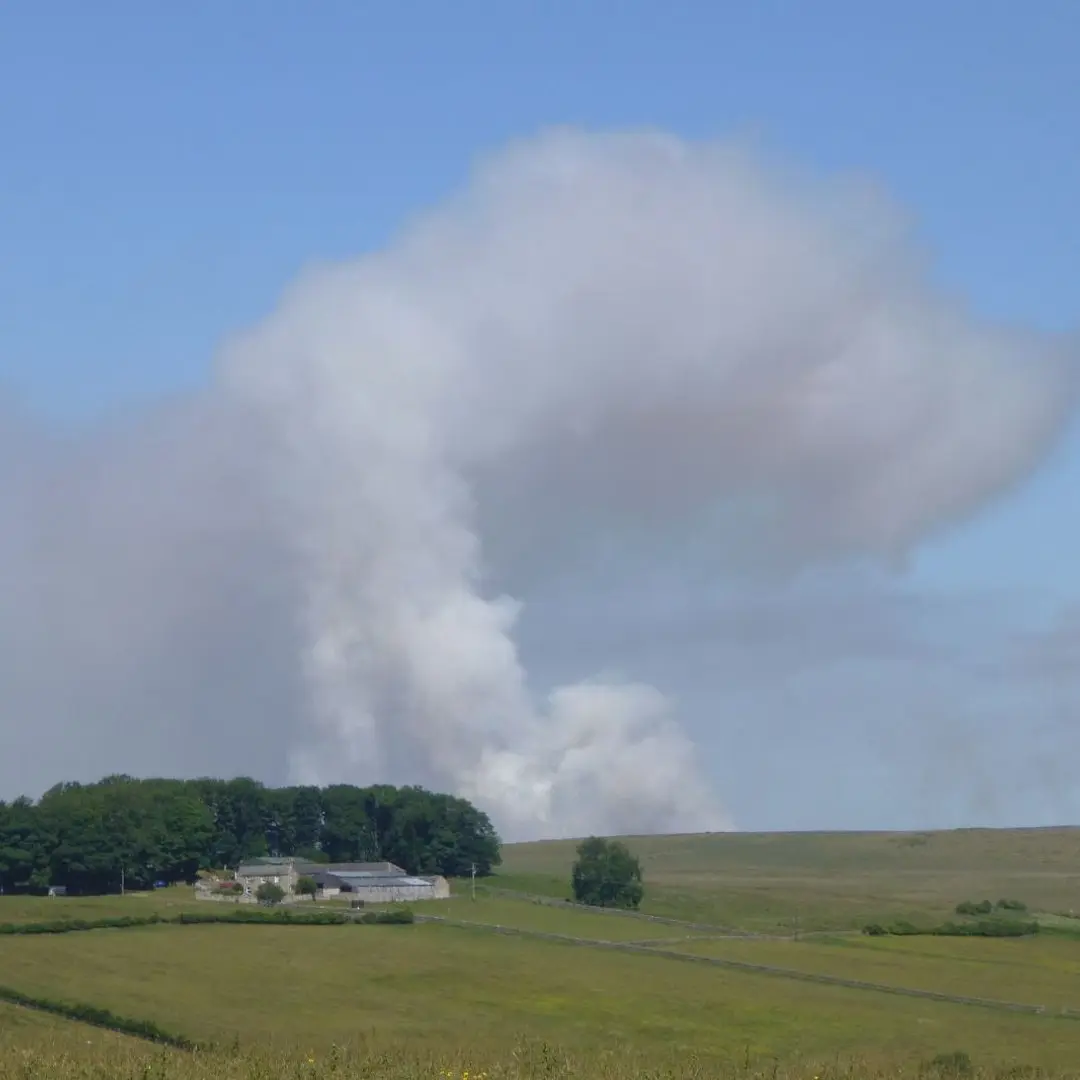
On August 13, the thermometer at Kew Gardens hit 38.1C. It was the fifth hottest temperature ever recorded on British soil. Pershore in Worcestershire reached 38C the same afternoon. Across central and southern England, 40 weather stations topped 36C. Met Office Chief Forecaster Neil Armstrong noted the moment: "This current spell of extreme heat is the latest in a remarkable summer. Numerous temperature records have been broken." By then, fires were already burning. Over 220 individual wildfire incidents were recorded in the first 12 days of August alone. A grass fire near Stourbridge in the West Midlands took hold at 1:30pm and burned for five days, destroying 19 homes completely and extensively damaging 18 more. Three people were hospitalised. Sixty firefighters worked the blaze at its peak.
23,000 Hectares and a Season Not Over Yet
Phil Garrigan, chair of the National Fire Chiefs Council, confirmed the scale: "We've well surpassed the figures from the previous high of 2025." The 2026 wildfire season had already burned 23,359 hectares (57,700 acres) by early August, with 72 individual fires of at least 30 hectares mapped. The fire season was expected to run through November. Subterranean peat fires at Dunwich Heath in Suffolk burned at temperatures exceeding 600C: the kind of fire that did not happen in England in the twentieth century.
45 Million People in Drought
The fires are the visible end of a longer crisis. By mid-August, government figures showed that around 45 million people, the majority of the country's population, were living in a drought-affected area. Thames Water and South West Water enforced mandatory hosepipe bans affecting more than 15 million households across southern England. Prime Minister Andy Burnham called Britain a "tinder box" and deployed the military to support firefighting operations. The heat is also killing people in less visible ways. UK Health Security Agency amber heat health alerts warned that a significant rise in deaths among over-65s was considered "likely," and that demand for power could exceed generating capacity.
"July 2026 has been a truly remarkable month in the UK's climate record. The combination of record-breaking dryness, exceptional warmth and unprecedented sunshine has delivered one of the most notable summer months in our historical records.
"Dr. Amy Doherty. Met Office Science Manager
Seventy Times More Likely Than Before
The Met Office is careful with causation. But its climate attribution research, published alongside the seasonal data, found that a summer as hot or hotter than 2025 is now 70 times more likely than it would be in a natural climate without human greenhouse gas emissions. One year later, 2026 is on course to surpass 2025. The subterranean peat fires that broke out at Dunwich Heath in Suffolk burned at temperatures exceeding 600C. Peat fires can smoulder underground for months. They are the kind of fire that did not happen in England in the twentieth century. If this summer ends as the Met Office expects, three of the five hottest UK summers since 1884 will have occurred in the last two years.