Book European Trains Without Overpaying
The pass is not the whole price.
An Interrail or Eurail pass covers your seat on many trains in Europe, but on the routes most travellers actually book (London to Paris, Paris to Barcelona, any Frecciarossa in Italy, any AVE in Spain) you must also pay a mandatory seat reservation fee on top of the pass. Those fees range from 3 euros on an Austrian Railjet to 35 euros on a Eurostar. On a week-long trip with four high-speed trains, that can add 80 to 140 euros to a pass you thought was all-in. This page maps every fee, every booking window, and the countries where the pass really does mean just board and go, so you can price a trip accurately before you commit.
Interrail vs Eurail: the only difference that matters
Until September 2026, Interrail and Eurail were sold separately. They merged under interrail.com but kept one distinction: Interrail is for residents of Europe (including the UK), Eurail is for everyone else. The prices, the pass types, and the reservation fees are identical. If you live in France and you are riding across Europe, you buy Interrail. If you live in Canada and you are doing the same trip, you buy Eurail. The pass works the same way on every train.
Interrail
For residents of a European country (including UK). Same product, same price as Eurail.
Eurail
For residents outside Europe. Same trains, same fees, same booking process.
Global Pass, 4 days in 1 month
283 euros adult 2nd class. Youth (under 28): 212 euros.
Global Pass, 7 days in 1 month
381 euros adult 2nd class. Youth: 286 euros.
Global Pass, 10 days in 2 months
453 euros adult 2nd class. Youth: 340 euros.
Global Pass, 1 month continuous
700 euros adult 2nd class. Youth: 525 euros.
Break-even rule
A 7-day pass costs about 54 euros per travel day. If your point-to-point fares booked 6+ weeks ahead
Routes where you can board without a reservation
The most underreported fact in European rail: on many networks the pass is genuinely unlimited. No reservation, no extra fee, just board. Germany, Switzerland, Austria, Belgium, the Netherlands, Denmark, most of Central and Eastern Europe, and nearly all regional trains everywhere work this way. The routes below are the exception, not the rule. If your trip stays mostly in Germany, Switzerland or Austria, the pass works as advertised and your only extra cost is the pass itself.
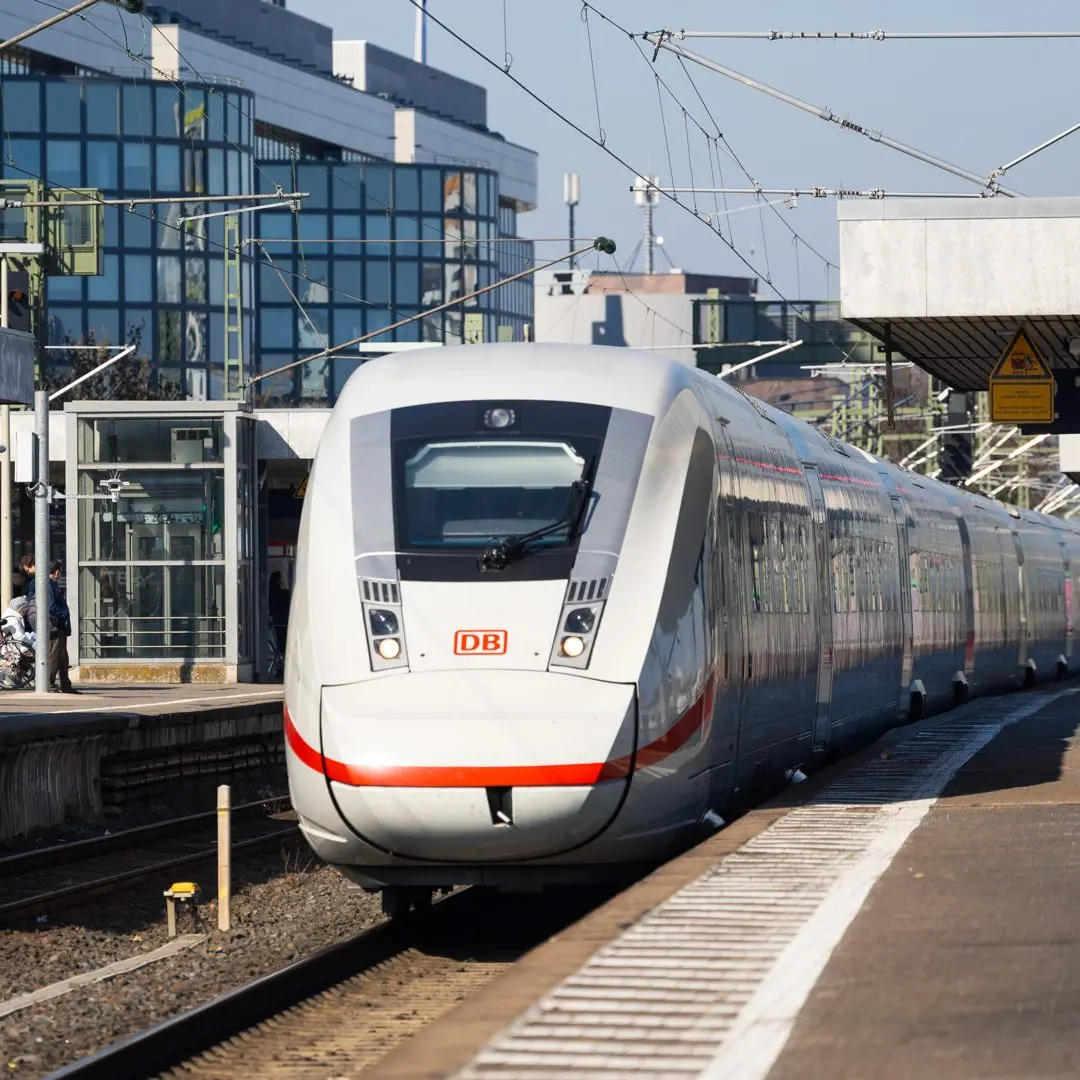
Germany (DB ICE and IC)
Reservation optional, 5.50 euros 2nd class if you want a guaranteed seat. Free to board without one.
Switzerland (SBB Intercity)
No reservation required or available. Board freely on any train.
Austria (OBB Railjet and IC)
Reservation optional, 3 euros. Free to board without one.
Netherlands, Belgium, Denmark
No reservation required on any domestic train.
Czech Republic, Hungary, Poland
No reservation required on most trains.
Regional trains everywhere
No reservation required. Covers thousands of routes.
Routes where a paid reservation is mandatory
On high-speed trains in France, Italy, Spain, and on Eurostar, a seat reservation is not optional. The train staff will ask for a reservation confirmation alongside your pass. Without one, you cannot board. The quota of seats available to pass holders is limited and can sell out weeks or months before the train, even when plenty of full-fare seats remain. Book reservations as early as the booking window opens for any of the routes below, especially in summer (June to September) and over public holidays.
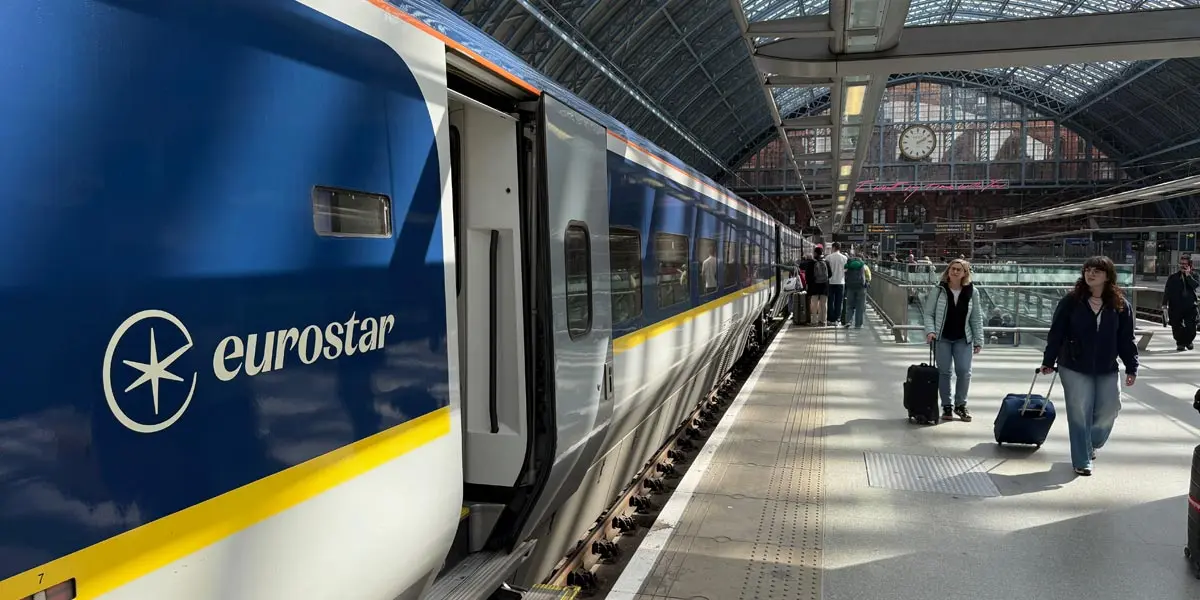
Eurostar: London to Paris or Brussels
35 euros per journey (2nd class). Mandatory. Passholder quota is separate from public seats and sell
Eurostar: Brussels to Amsterdam or Cologne
22 to 32 euros per journey. Mandatory. Same quota rules apply.
TGV Lyria: Paris to Geneva, Lausanne or Zurich
29 euros (2nd class), 39 euros (1st). Mandatory.
TGV: Paris to Barcelona or Madrid
25 euros (2nd class), 35 euros (1st). Mandatory.
TGV: Paris to Turin or Milan
31 euros (2nd class), 45 euros (1st). Mandatory.
TGV: Paris to Frankfurt or Stuttgart
19 euros. Mandatory.
SNCF TGV Inoui (domestic France)
10 to 20 euros. Mandatory. A limited quota of 10-euro seats is released first; once gone the fee ris
Trenitalia Frecciarossa (domestic Italy)
13 euros per journey regardless of class. Mandatory.
Renfe AVE and Iryo (domestic Spain)
10 euros (2nd class), 13 euros (1st). Mandatory.
EuroCity: Zurich to Milan or Venice
17 euros. Mandatory.
The Eurostar passholder quota rule: when the cheapest public fare on eurostar.com is below about 143 pounds, passholder places are usually still available. When the cheapest fare is above 160 pounds, the passholder allocation is typically exhausted. Check the public fare as a proxy before booking.
The Global Plus pass: when it makes sense
In late 2025, Interrail introduced the Global Plus pass, which bundles mandatory reservation fees for France and certain Spain and Italy routes directly into the pass price. It costs more upfront but removes the per-journey booking step for those routes. If your trip is primarily Paris-Barcelona-Rome and back, the maths usually favour it. If your trip is mostly Germany and Switzerland with one TGV segment, the standard pass is cheaper even after adding that one reservation fee separately.
Booking windows by operator
Reservations for pass holders are booked separately from the pass itself, either through the operator's own site, the Interrail Rail Planner app, or a booking agent such as RailEurope. The window varies considerably by operator. For Eurostar and summer TGV travel, booking on the first day the window opens is not an overreaction: the passholder quota on the most popular trains sells out within hours of release.
Eurostar (London to Paris, Brussels, Amsterdam)
Opens up to 11 months ahead. Passholder allocation may not appear until 6 months out.
DB Night trains and Nightjet (OBB)
Opens up to 12 months ahead (DB) and 360 days ahead (Nightjet). Popular dates sell out 6 to 8 weeks
SNCF TGV Inoui and OUIGO
Opens 4 months ahead. The cheapest Prem's fares for TGV are released at that point.
TGV Lyria (France to Switzerland)
Opens approximately 6 months ahead.
Trenitalia Frecciarossa
Opens 120 days ahead. Super Economy seats from 9.90 euros sell out within days of release.
Renfe AVE (Spain)
Opens 60 to 90 days ahead for most routes; some routes up to 11 months.
DB ICE optional reservations
Opens 12 months ahead. No urgency since they are not mandatory.
Night train tip: the Nightjet network (Vienna, Munich, Hamburg, Amsterdam to Rome, Paris, Brussels and beyond) requires a separate reservation that includes your berth. Couchette (shared 6-berth) from 19 euros, private sleeper from 49 euros. These sell out earlier than any daytime reservation, especially in summer and on the Vienna to Rome corridor.
When to skip the pass entirely
A pass is rarely the best value for a single fixed-date trip booked three or more months in advance. DB Sparpreis fares (Germany), Trenitalia Super Economy fares, Renfe Promo fares, and SNCF Prem's fares released at the booking window opening are all deeply discounted. A Berlin to Munich return booked 12 weeks ahead costs around 49 to 79 euros total on a Sparpreis. A comparable pair of pass days plus the optional 11-euro reservation fee costs 90 to 110 euros on the 7-day pass. The pass wins when you are flexible on dates, travelling frequently across multiple countries, or booking late when discounted fares are gone.