Antarctica's Dinosaur: 40 Years in a Drawer
A bone that waited 40 years to be understood
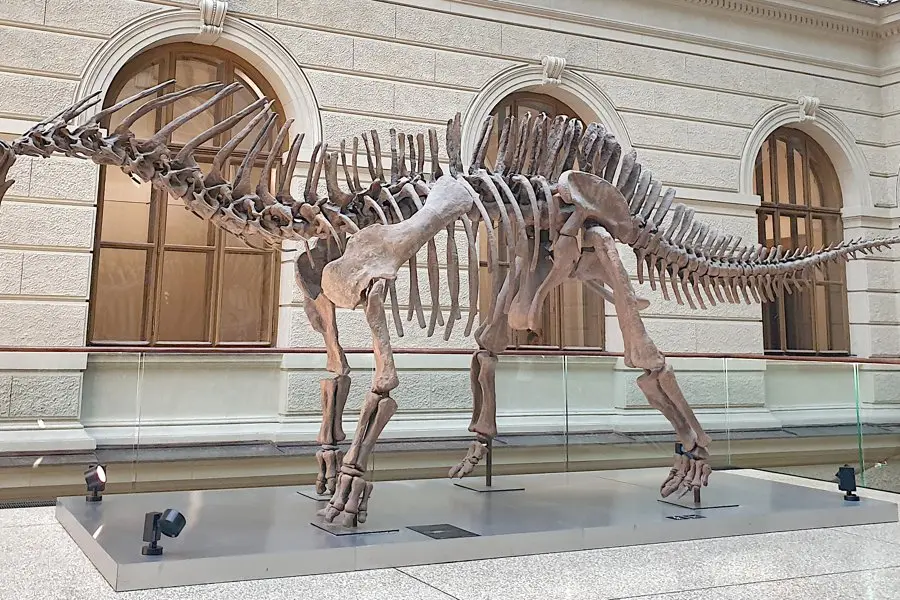
In December 1985, Mike Thomson, a geologist on a British Antarctic Survey expedition, found a fossil on the rocky cliffs of James Ross Island, off the tip of the Antarctic Peninsula. He thought it was from a large marine reptile, logged it, and put it in a collection drawer. It stayed there, unlabelled and unremarkable, for four decades. Then palaeontologist Mark Evans opened the drawer, looked at the ten-centimetre vertebra under a CT scanner, and saw something nobody had ever found on Antarctica before: a dinosaur. The study was published on 29 June 2026 in Acta Palaeontologica Polonica, and it rewrites the fossil record for the southernmost continent on Earth.
Age of the fossil
83 million years (Late Cretaceous, Campanian)
Vertebra length
Approximately 10 centimetres
Dinosaur group
Titanosauria (the largest land animals ever)
Estimated body length
6 to 7 metres (juvenile or dwarf species)
Years in a drawer
40 (1985 to 2026)
Location found
James Ross Island, Antarctic Peninsula
Journal published
Acta Palaeontologica Polonica, 29 June 2026
The fossil pre-dates Antarctopelta oliveroi, the armoured ankylosaur found in 1986 and long credited as Antarctica's first dinosaur discovery, because Thomson found this vertebra in December 1985, a full year earlier. The drawer, not the field, was where Antarctica's dinosaur record was waiting.
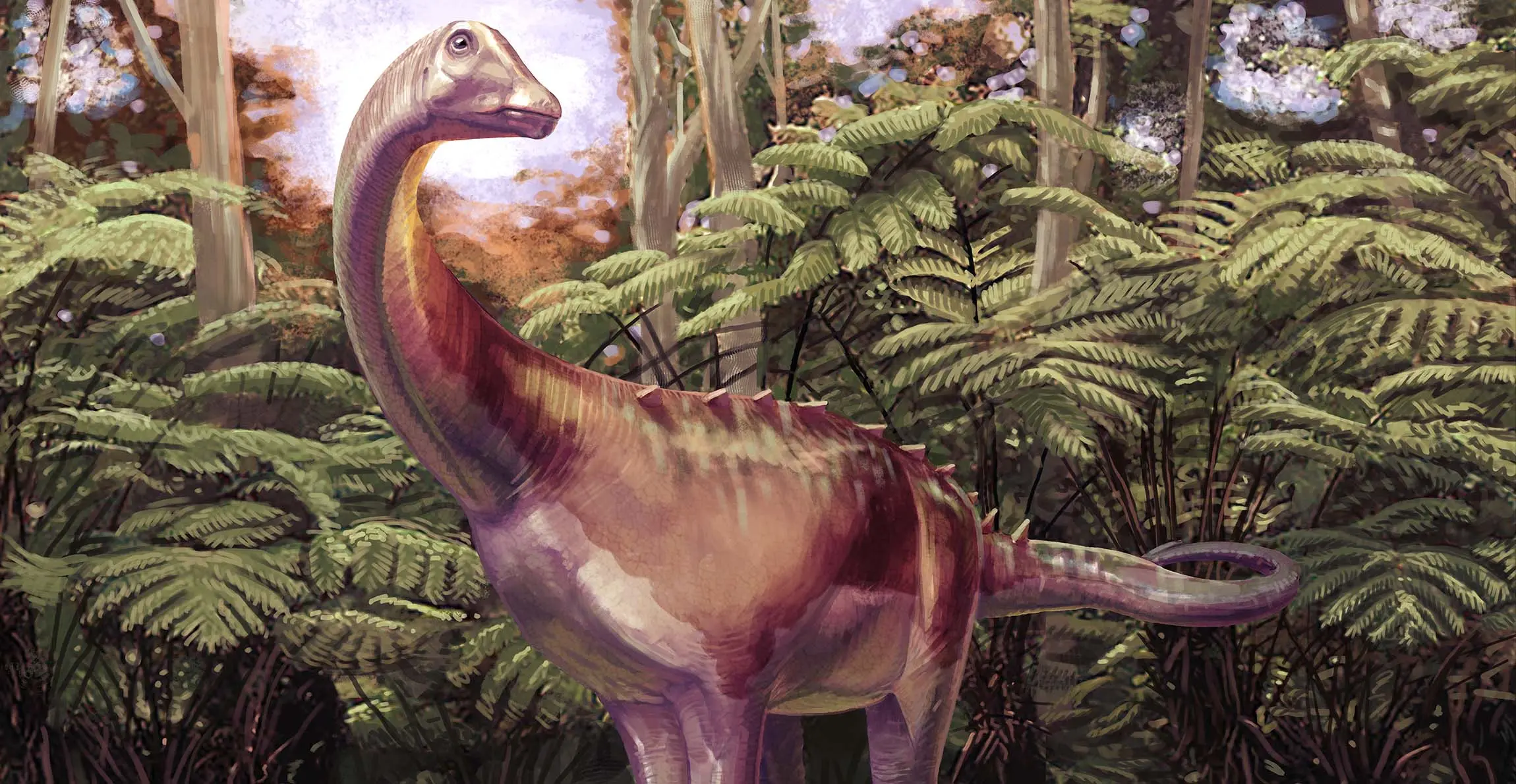
At 83 million years ago, Antarctica was part of Gondwana and sat much further north than today. Temperatures were warm enough for dense conifer forests. The titanosaur would have shared its world with early flowering plants, large insects, and seabirds fishing in warm coastal waters.
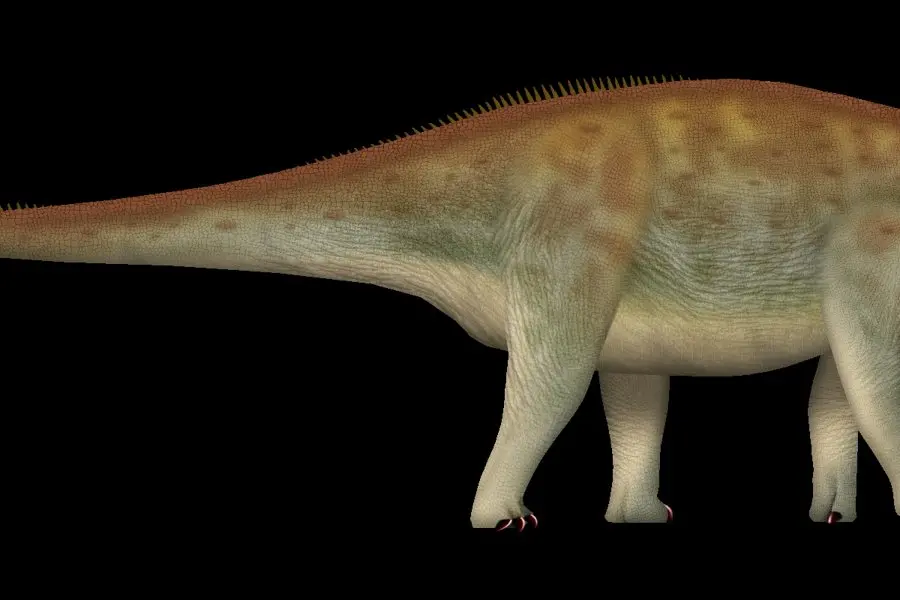
Titanosauria is the group that includes the largest land animals known to science: Argentinosaurus (estimated 70 tonnes), Patagotitan (69 tonnes), and Dreadnoughtus (65 tonnes). This Antarctic specimen was far smaller, either a juvenile or a dwarf island species, at a modest 6 to 7 metres from snout to tail.
"Its close relatives travelled between South America and Australia via Antarctica. This new find confirms that Antarctica was not an isolated backwater but a busy corridor for the largest animals on Earth.
"Study co-author Samantha Beeston · June 2026
Antarctica has the sparsest dinosaur record of any continent because nearly all its rock is buried under kilometres of ice. As climate change causes the ice to retreat, geologists expect more fossils to surface from the exposed rock of the Antarctic Peninsula, possibly including species entirely new to science.