Amazon 2026: The Forest Starts Winning
DETER alerts (Aug 2025 to Jul 2026)
2,874 sq km cleared
Year-on-year change
Down 37% vs prior 12-month period
vs decade average
55.6% below the 2015-2024 mean
Bolsonaro peak (2020/21)
13,038 sq km (15-year high)
Historical peak
~27,000 sq km cleared in 2004
Lula era total (2023-2026)
19,642 sq km vs 33,400 under Bolsonaro
Amazon area
5.5 million sq km, 10% of Earth's land biodiversity
What INPE Just Announced
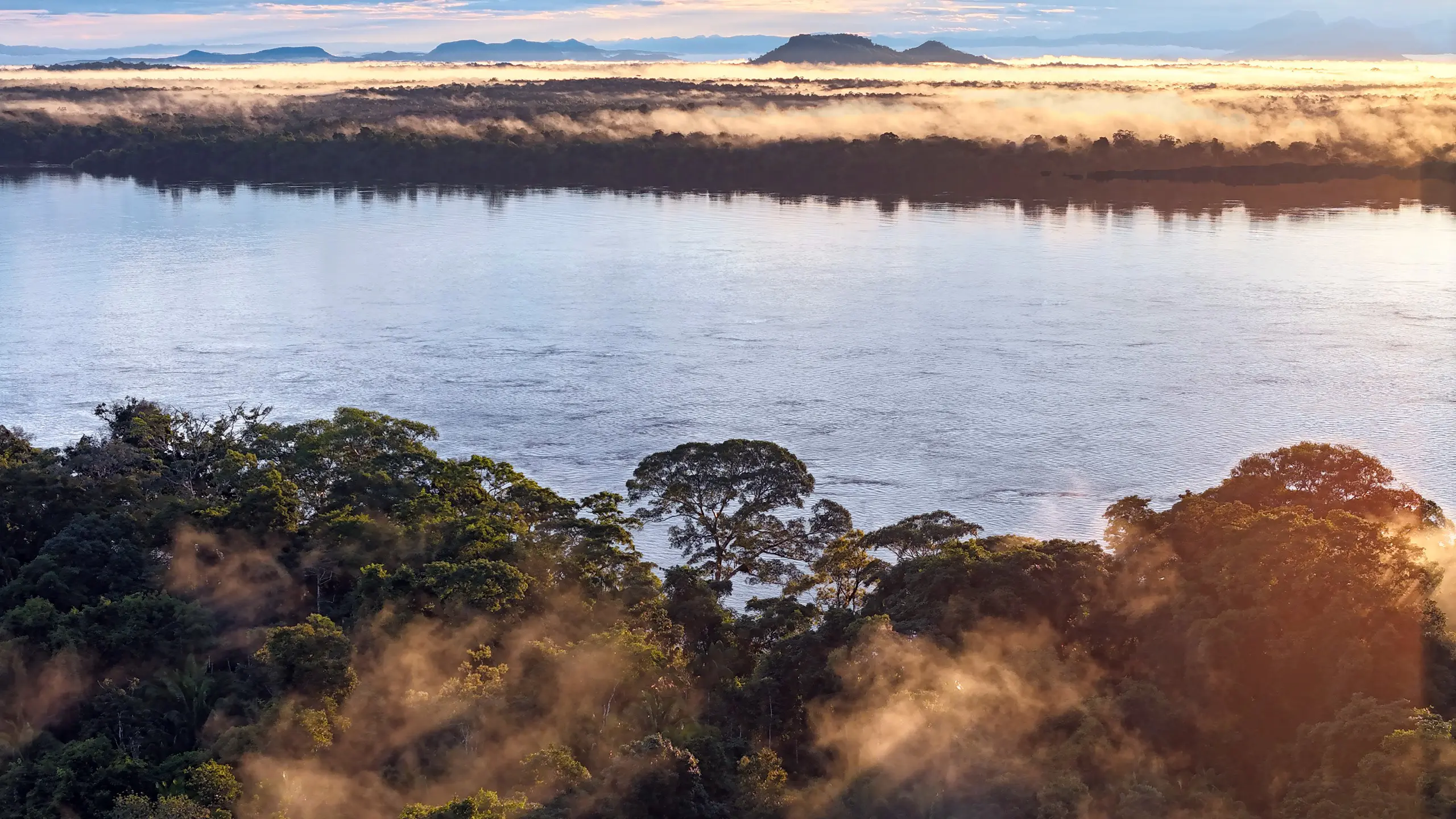
On August 7, 2026, President Lula travelled to the National Institute for Space Research (INPE) in Sao Jose dos Campos to receive the latest satellite data in person. INPE's DETER rapid-alert system detected 2,874 square kilometres of deforestation activity in the Amazon between August 2025 and July 2026, a 37% drop on the previous year and the lowest reading since the system was introduced in 2015. If the higher-resolution PRODES annual survey confirms the trend, this could become the lowest official deforestation year since satellite monitoring of the Amazon began in 1988. The previous PRODES record was 4,571 sq km in 2012. Deforestation also fell across Brazil's other biomes. The Cerrado, the world's most biodiverse savanna, reached a five-year low. Alerts dropped in the Atlantic Forest, Caatinga, and Pampa as well. The Amazon basin is not out of danger, but the trajectory has shifted in a way that was considered unlikely just five years ago.
Five Reasons the Numbers Are Falling
- Brazil monitored 2,874 sq km of Amazon deforestation alerts (DETER) in the 12 months to July 2026, a 37% drop year-on-year and the lowest reading since the system launched in 2015.
- If confirmed by PRODES high-resolution data, 2026 could be the lowest official deforestation year since satellite monitoring began in 1988, beating the 4,571 sq km recorded in 2012.
- The Lula government recorded 19,642 sq km of deforestation alerts across its first four years (2023-2026), a 41% drop versus the 33,400 sq km cleared in the 2019-2022 term.
- Deforestation also fell in four other biomes: Cerrado reached a five-year low, Atlantic Forest dropped sharply, and Caatinga and Pampa both declined.
- Brazil has pledged to end illegal deforestation by 2030. Enforcement, municipal agreements and Indigenous territory protections are central to the plan.
- Key risks remain: fire, logging and forest degradation do not show up in deforestation counts. A severe drought year could reverse progress quickly.
What drove the Bolsonaro spike. Between 2019 and 2022, Brazil's federal environmental agency IBAMA was defunded and its enforcement teams cut. The Action Plan for Prevention and Control of Deforestation (PPCDAm), launched in 2004 and credited with cutting deforestation 80% over a decade, was suspended. Illegal ranchers and loggers moved into protected areas with near-impunity. Deforestation climbed 75% above the prior-decade average. The 2020/21 year, at 13,038 sq km, was the worst in 15 years.
"We did not inherit the forest to destroy it. We inherited it to hand it to our children.
"President Luiz Inacio Lula da Silva
The caveat that matters. DETER detects clearings visible from space. It does not capture selective logging, forest degradation from drought or fire, or illegal mining damage, all of which can devastate ecosystems without triggering a deforestation alert. Scientists estimate degraded forest may now cover more area than cleared land. Falling deforestation numbers are genuinely good news, but total forest health is a harder, wider question.