Alpha-Gal: The Tick Bite That Takes Red Meat Away
From 1.8 Percent to 38.5 Percent in Nine Years
Researchers at Virginia Commonwealth University reviewed records from 69 US health systems spanning 2010 to 2025 and found that the share of patients testing positive for alpha-gal antibodies rose from 1.8 percent in 2013 to 38.5 percent in 2021. That is a more than 21-fold increase in detected cases across roughly 3,800 adults. The findings, presented at the American College of Gastroenterology annual meeting in October 2025, put a precise number on what the CDC had been flagging for years: alpha-gal syndrome is no longer rare. It is on a steep climb, and most people who have it do not know why they are sick.
Positive alpha-gal antibody tests, 2013 vs 2021
1.8% up to 38.5%
Increase in positive results across the full study period
more than 100-fold
Americans estimated to be living with alpha-gal syndrome
nearly 500,000 (CDC)
Adults in lone-star-tick states with alpha-gal antibodies
nearly 1 in 4
Lyme disease also found in AGS patients
17 percent co-infection rate
Delay between eating red meat and first symptoms
2 to 6 hours
One Tick Bite, One Sugar Molecule, No Steak Ever Again
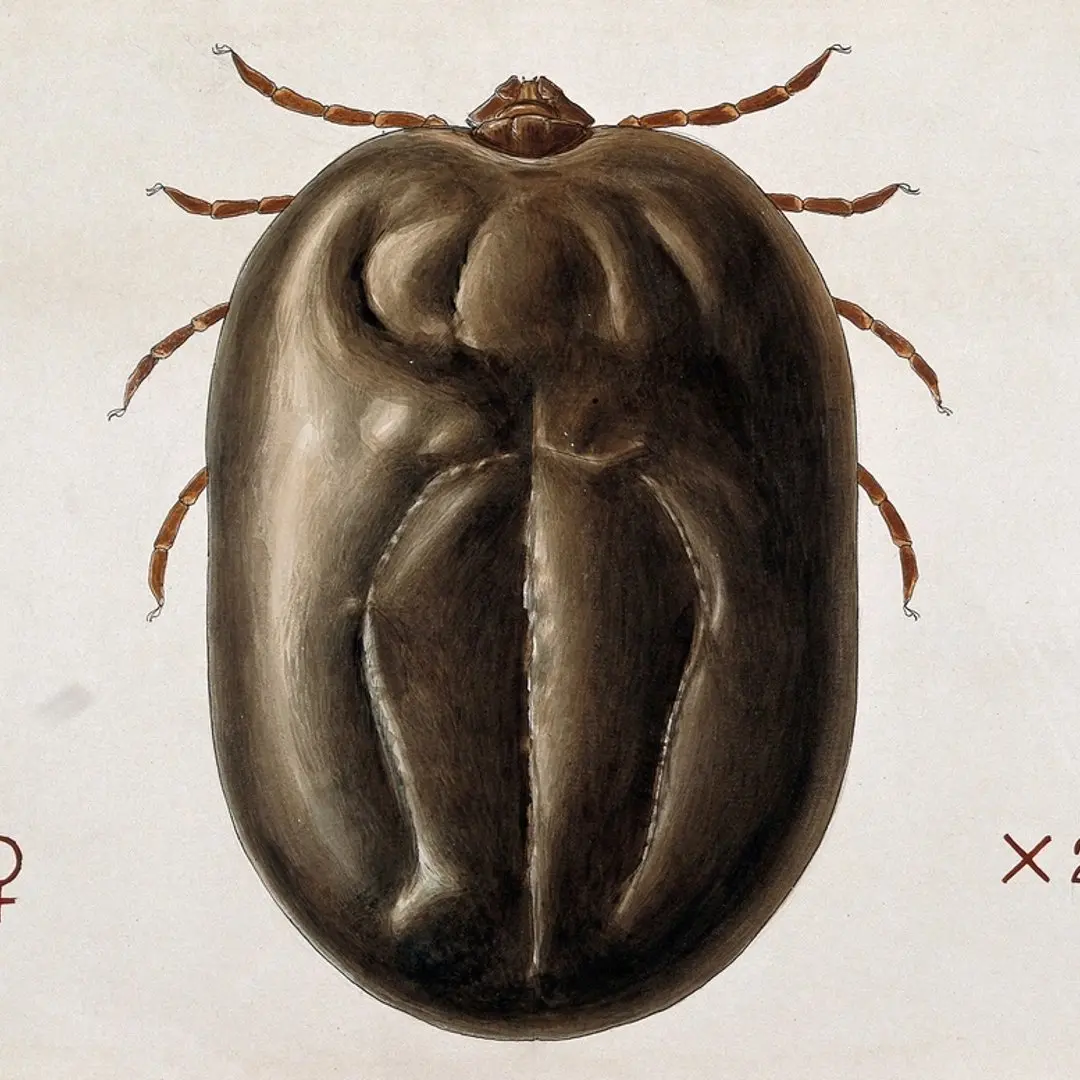
The lone star tick feeds on deer, cows, and pigs before it finds a human host. In the blood of those mammals is a sugar molecule called galactose-alpha-1,3-galactose, or alpha-gal. When the tick bites you, it injects that molecule directly into your bloodstream through its saliva. Some people then mount an immune response against alpha-gal itself. The problem: alpha-gal is also present in every piece of red meat from a mammal, from beef to pork to lamb. The next time those people sit down to a burger, their immune system sees the same molecule it learned to fight. Symptoms arrive hours later: hives, vomiting, anaphylaxis. No injection. No immediate reaction. Just a delayed attack on something you have eaten safely your whole life, now turned dangerous by a tick bite you may not even remember. Dr. Bobbi Pritt, chair of clinical microbiology at the Mayo Clinic, notes the mechanism is unusual: "The tick is injecting alpha-gal directly from its saliva into the blood," bypassing the digesti
No Treatment Exists, and Half the Doctors You See May Not Know That
A survey of around 1,500 healthcare providers found that 42 percent had never heard of alpha-gal syndrome, and only about a third knew how to diagnose it. The delayed symptom window, 2 to 6 hours after a meal, makes the link to red meat hard to spot. Patients are often diagnosed with irritable bowel syndrome, anxiety, or unexplained urticaria before anyone thinks to test for alpha-gal antibodies. There is currently no drug treatment. The only intervention is strict avoidance of mammalian meat and, in more sensitive cases, dairy and gelatin as well. Some patients see antibody levels fall if they avoid further tick bites for long enough, but remission is not guaranteed and re-exposure to ticks can reset the process.
The Lone Star Tick Is Moving North and West
Warmer winters are the direct cause of the geographic spread. Lone star ticks have historically been concentrated in the Southeast and South-Central US, but the VCU data shows 69 percent of diagnosed cases now come from the Northeast and 23 percent from the South. The tick is following deer populations into suburban parks, trail edges, and backyards that were considered low-risk a decade ago. In May 2026, the Department of Health and Human Services announced new research funding specifically targeting tick-borne diseases including alpha-gal syndrome, the first federal initiative to single out AGS by name.
"Alpha-gal syndrome has gone from a medical curiosity to a major public health issue in just a decade. Vinay Jahagirdar, M.D., Gastroenterology Fellow, VCU Health (ACG 2025)
"Steph1st of October 2026
