$3.95 to $6.89: Who Broke the Beef Price?
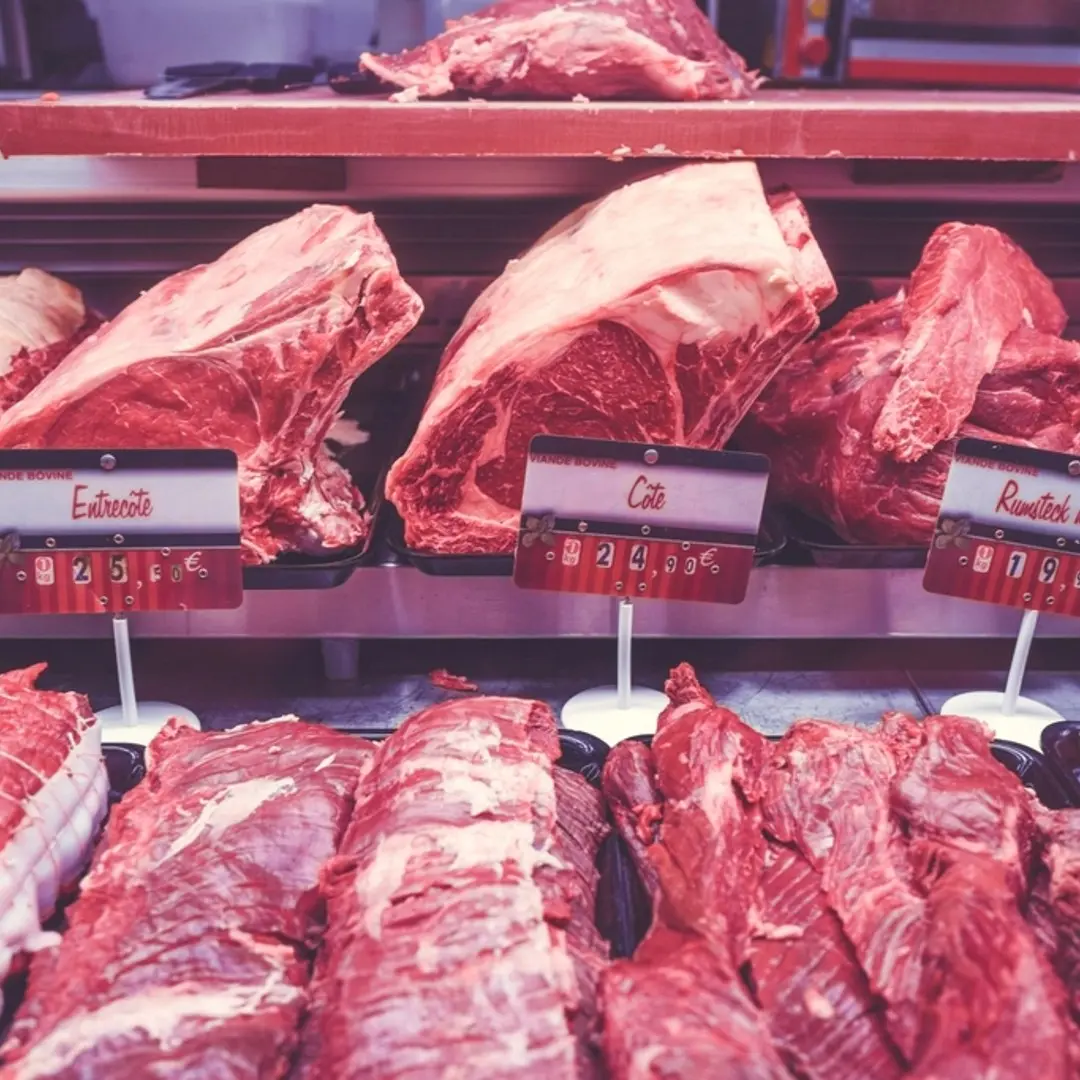
Ground beef was $3.95 a pound in December 2020. In July 2026 it averaged $6.89. That \
is a 74% increase in five and a half years, more than triple the rate of general inflation over the same period. The jump is not evenly distributed: ground beef is up 9% year-over-year, beef steaks up 9.6%, and beef roasts up 13.5%. At the high end of the retail spread, Publix was charging $9.42 a pound in September 2026, Aldi $5.99.
The DOJ has decided the price is not just a market problem.
In May 2026, Acting Attorney General Todd Blanche announced a criminal antitrust investigation into the four companies that process 85% of all U.S. beef: Tyson Foods, JBS, Cargill, and National Beef. By July, DOJ letters had gone to eight of the country's largest grocery chains asking for six years of pricing data, margins, and wholesale arrangements. The probe now runs from the rancher to the checkout.
Ground beef, December 2020
$3.95 per pound
Ground beef, July 2026
$6.89 per pound (up 74%)
Year-over-year beef and veal inflation
9.4%
Beef steaks, year-over-year
up 9.6%
Beef roasts, year-over-year
up 13.5%
U.S. cattle herd, start of 2026
86.2 million head (75-year low)
Big Four market share in processing
85% of all U.S. beef
DOJ documents reviewed in meatpacker probe
more than 3 million
Tyson beef segment operating loss (2026)
$138 million
JBS North American beef operating loss (2026)
$279 million adjusted

The supply shortage is real and predates any investigation.
The U.S. cattle herd has been shrinking for more than a decade. Prolonged drought in the southern plains, high feed and fertilizer costs, and the slow biology of cattle breeding (a calf takes over a year from conception to market weight) have made rapid recovery impossible. The herd hit 86.2 million head at the start of 2026, its lowest since 1951. A New World screwworm outbreak from Mexico added pressure by threatening imported supplies. Rebuilding a cow-calf herd takes three to four years from the decision to retain heifers to a meaningful increase in market supply.
Even Trump's emergency import measure helps only at the margins.
A 90-day tariff exemption on 300,000 metric tonnes of lean beef trimmings, running September through November, with importers required to sell at 25% below market, is a pressure release rather than a structural fix. Sylvain Charlebois, professor of agri-food analytics at Dalhousie University, was direct: "The cattle shortage will likely keep beef prices elevated well into 2027." What the DOJ is probing is whether deliberate action made the supply crunch worse. Tyson Foods has already paid $82.5 million to settle a class-action suit alleging coordinated supply restriction.
"Beef prices are a matter of critical concern to the American public, and a priority for the United States Department of Justice.
"Stanley E. Woodward Jr. · Associate AG · DOJ letter to eight retailers · July 2026

The political calendar is part of the story.
The DOJ expanded its probe to retailers on September 1, 2026, 63 days before the November 3 midterms. Ground beef, alongside gasoline and eggs, is among the prices voters cite most when asked about the cost of living. Trump's economic approval has run below 40% for most of 2026, and Republican strategists have been explicit that taming visible food prices before November is a priority.
Investigations move slowly and the cattle cycle moves even more slowly.
The DOJ has reviewed more than three million documents in the meatpacker phase and has not yet charged anyone. The retail letters from July are requests for information, not accusations. Tyson and JBS shares fell sharply after the May announcement and have not recovered. The eight retailers named declined to comment. For now, the price at the meat counter is driven by a real supply shortage that no investigation can fix quickly. Whether the shortage was deepened by collusion is what the DOJ has eight election cycles of pricing data to answer.