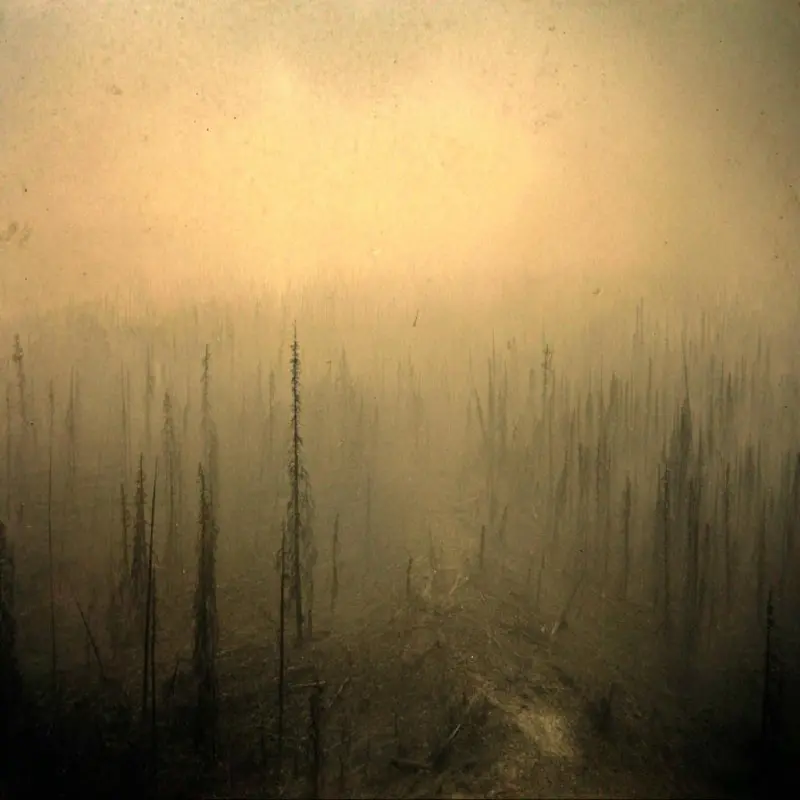

The Tunguska Event
On the morning of 30 June 1908, an enormous explosion tore across the sky above the Podkamennaya Tunguska River in remote Siberia. It flattened a vast stretch of forest yet left no crater. The site was so isolated that the first scientific expedition did not reach it until 1927, nearly twenty years later, which let speculation run for decades.
Energy released
Estimated 3 to 50 megatons of TNT equivalent.
Forest flattened
About 2,150 square kilometres, roughly 80 million trees.
The object
A stony asteroid about 50 to 60 metres across.
Burst altitude
Around 5 to 10 kilometres up, leaving no impact crater.
First expedition
1927, nineteen years after the event.
It remains the largest impact event in recorded history. Had it struck a city rather than empty taiga, the toll would have been catastrophic.
The remoteness and the missing crater fed decades of exotic claims. The evidence on the ground points to a natural air burst.